Mercedes-Benz's 2027 GLC400 4Matic Electric: A New Era of Luxury EV Dominance Emerges
The automotive world is buzzing with anticipation as Mercedes-Benz prepares to unleash its 2027 GLC400 4Matic Electric, a vehicle poised to redefine t...
Editorial Team
World Of EV
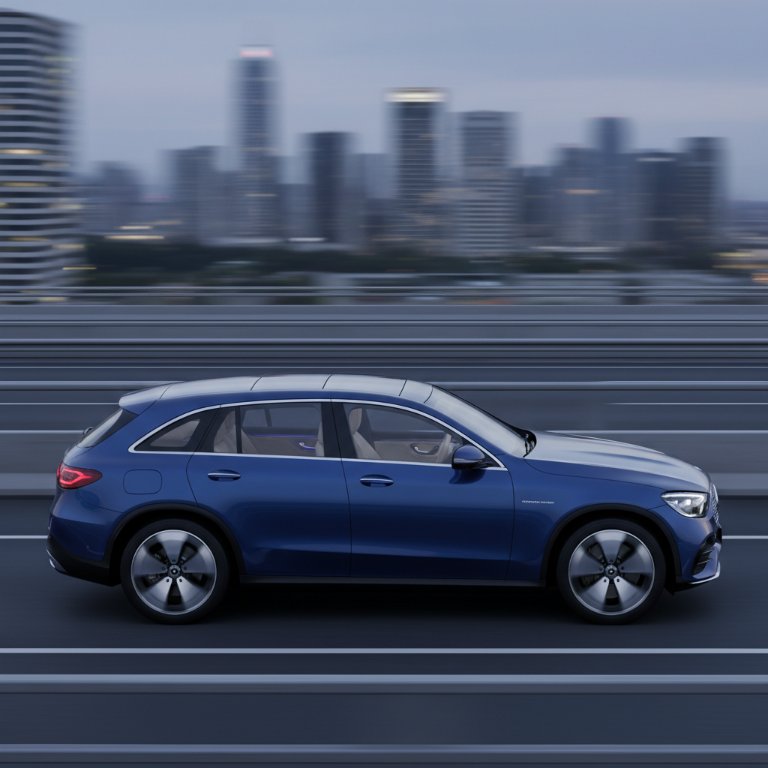
The automotive world is buzzing with anticipation as Mercedes-Benz prepares to unleash its 2027 GLC400 4Matic Electric, a vehicle poised to redefine the mid-size luxury EV SUV segment. Far from a mere electrification of an existing model, this latest offering signals a profound strategic shift for the Stuttgart-based automaker, finally delivering on the promise of a truly dedicated electric platform that prioritizes EV performance, packaging, and luxury from its foundational design. For years, Mercedes-Benz, like many legacy automakers, has navigated the transition to electric vehicles with a mix of purpose-built and adapted platforms. While models like the EQS have showcased the brand's potential, the GLC400 4Matic Electric represents a significant step in marrying that electric dedication with the volume and accessibility of a core luxury SUV, addressing the silent question of whether Mercedes could deliver a 'no compromises' EV experience outside of its flagship offerings.
Built From the Ground Up: A Dedicated EV Architecture
At the heart of the 2027 GLC400 4Matic Electric's appeal is its all-new, dedicated electric platform. This isn't an adaptation of an internal combustion engine (ICE) architecture, a strategy that has often led to compromises in cabin space or battery packaging in earlier EV iterations from various manufacturers. Instead, Mercedes-Benz has engineered this platform from the ground up, specifically for electric propulsion.
- Optimized Interior Space: Despite a sleek and aerodynamic exterior design, the dedicated platform ensures remarkable head- and legroom for all passengers, a common challenge gracefully overcome in this new iteration.
- Enhanced Packaging: The design philosophy allows for optimal placement of the battery and electric motors, contributing to a lower center of gravity and improved weight distribution, foundational elements for superior driving dynamics.
Technology and Performance Redefined
The GLC400 4Matic Electric isn't just about its underlying structure; it's a showcase of Mercedes-Benz's prowess in integrating cutting-edge technology and delivering a refined driving experience. The cabin immediately stands out with its expansive digital real estate and advanced user interface.
- Immersive Hyperscreen: Dominating the dashboard is a breathtaking 39.1-inch Hyperscreen, integrating multiple displays into a seamless, intuitive, and highly customizable digital cockpit, elevating the user experience to new heights.
- Advanced Cabin Technology: Beyond the visual spectacle, the vehicle boasts an advanced suite of cabin technologies, offering superior connectivity, infotainment, and driver assistance features designed to enhance comfort and convenience.
- Exceptional Range and Driving Dynamics: The review highlights a substantial electric range, crucial for daily usability and long-distance travel. On the road, the GLC400 4Matic Electric delivers smooth and effortless highway driving, characteristic of Mercedes-Benz's commitment to ride comfort. Its impressive braking capabilities inspire confidence, while the optional Agility & Comfort package further refines the experience.
- Agility & Comfort Package: This premium option includes an air-spring suspension system, offering a sublime ride quality that adapts to various road conditions, and rear-axle steering, which significantly enhances maneuverability at low speeds and stability at higher speeds, truly embodying the 'Agility & Comfort' moniker.
Why This Matters:
The 2027 Mercedes-Benz GLC400 4Matic Electric is far more than just another luxury EV; it's a declarative statement from Mercedes-Benz. This vehicle signals a complete commitment to a future where dedicated EV platforms are not just for flagships but for the core models that drive volume and market share. This strategic move directly challenges competitors like the BMW iX and Audi Q8 e-tron, which have also made significant strides in the segment. Furthermore, it ups the ante for pure-play EV manufacturers like Tesla, pushing them to innovate further in interior luxury, refinement, and traditional automotive craftsmanship.
Who Wins? Consumers, unequivocally. They gain access to a truly premium, purpose-built electric SUV that offers a compelling blend of range, technology, luxury, and driving dynamics without the compromises often associated with adapted platforms. Mercedes-Benz also emerges as a clear winner, reasserting its position as a leader in automotive luxury and innovation in the crucial electric era.
Who Loses? Competitors who may be slower to adopt dedicated EV architectures or who struggle to match Mercedes-Benz's blend of technological sophistication and brand prestige might find themselves playing catch-up in this rapidly evolving segment. This move sets a new benchmark, potentially eroding market share for less compelling offerings.
This is not a 'do-or-die' moment for Mercedes-Benz, but rather a 'double down' moment. It signals a robust and confident future for the brand in the EV landscape, affirming that luxury, performance, and sustainability can coexist harmoniously.
The 2027 Mercedes-Benz GLC400 4Matic Electric is poised to become a significant force in the luxury EV market, setting a new standard for what consumers can expect from a premium electric SUV. Its dedicated platform, cutting-edge technology, and refined driving experience promise to resonate deeply with discerning buyers, solidifying Mercedes-Benz's leadership in the rapidly expanding world of electric vehicles and paving the way for even more ambitious electric offerings in the years to come.