Melbourne Strata Pioneers EV Charging Blueprint: A Game-Changer for Multi-Unit Dwellings
For years, the promise of electric vehicle (EV) ownership has often been met with a significant hurdle for residents of strata-titled properties: char...
Editorial Team
World Of EV
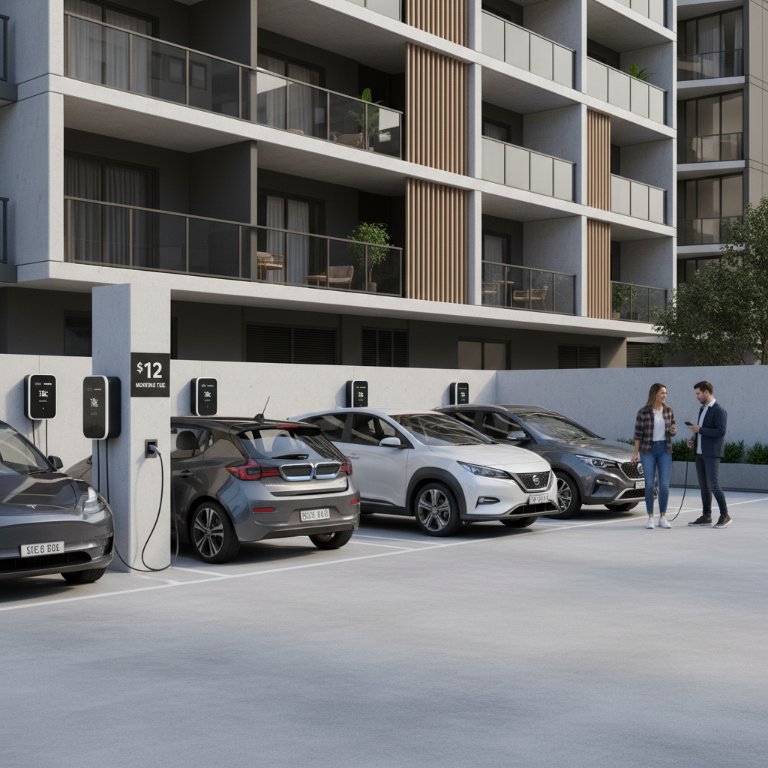
For years, the promise of electric vehicle (EV) ownership has often been met with a significant hurdle for residents of strata-titled properties: charging. The complexities of infrastructure upgrades, equitable cost distribution, and overcoming resident apprehension have made EV charging in multi-unit dwellings (MUDs) a persistent challenge across urban landscapes. Now, a proactive Owners Corporation (OC) in Melbourne, Australia, has not only navigated these obstacles but has established a replicable blueprint for successful EV charger integration, marking a pivotal moment for urban EV adoption.
Overcoming the Strata Charging Conundrum
The prevailing narrative around EV charging in apartment buildings has been one of hesitancy and logistical nightmares. OCs frequently grapple with numerous concerns, from the initial capital outlay for infrastructure to potential strains on existing electrical systems. Apprehensions regarding fire safety, often fueled by sensationalized but rare incidents, also contribute to a cautious approach. Furthermore, the equitable distribution of costs among EV and non-EV owners, and the complex process of obtaining approvals and managing installations, have historically stalled progress. This Melbourne OC’s success stands in stark contrast to these widespread difficulties, demonstrating that with a clear strategy and community engagement, these perceived insurmountable barriers are indeed surmountable.
The Melbourne Model: A Proactive and Consultative Approach
The Melbourne Owners Corporation didn't wait for a crisis; it proactively engaged its community. Recognizing the growing demand, the OC initiated a comprehensive survey among residents. This crucial step allowed them to:
- Gauge genuine interest in EV charging.
- Identify and directly address specific fears, particularly regarding installation costs and fire risks.
This consultative approach fostered transparency and built trust within the community, paving the way for a smoother implementation. The result? Five EV owners successfully installed 'last mile' chargers, connecting their vehicles to a robust, building-wide solution. This achievement underscores the power of communication and a willingness to proactively tackle resident concerns head-on, rather than reactively responding to individual demands.
Transparent Pricing and Seamless Integration for All
A cornerstone of this Melbourne success story is the establishment of a clear, equitable, and transparent pricing model. The OC implemented a tiered charging cost structure, differentiating between peak and off-peak rates:
- Peak Charging: 30 cents per kilowatt-hour (kWh)
- Off-Peak Charging: 18 cents per kWh
This pricing strategy not only incentivizes off-peak charging, which helps manage the building's overall electricity load, but also provides clarity and fairness for EV owners. In addition to usage-based fees, a modest monthly charge of $12 was introduced. This fee likely covers administrative costs, ongoing maintenance, and contributes to the long-term upkeep of the shared charging infrastructure, ensuring sustainability. Crucially, the solution has operated flawlessly, with “no issues reported” since its implementation. This testament to its stability and thoughtful design provides immense confidence for other OCs considering similar ventures.
Why This Matters:
This Melbourne case isn't just a feel-good story; it's a strategic roadmap for the global transition to electric vehicles. For residents of strata buildings, it removes a significant barrier to EV ownership, making zero-emission transport accessible to a demographic previously excluded. This accelerates EV adoption in dense urban environments, critical for meeting climate targets and improving air quality. Property developers and Owners Corporations stand to win immensely, as offering robust EV charging infrastructure transforms from a niche amenity to a vital, value-adding feature that future-proofs their buildings and attracts environmentally conscious buyers. The clear, replicable model presented here mitigates the perceived risks and complexities, providing a proven framework that can be adapted across diverse strata settings. This shifts the narrative from 'if' EV charging can be implemented in MUDs to 'how easily' it can be done, putting pressure on hesitant OCs to embrace similar progressive solutions. The losers, perhaps, are the purveyors of overly complex, bespoke, and expensive solutions, as this simple, community-led model proves to be highly effective and scalable.
A Blueprint for a Greener Urban Future
The proactive Owners Corporation in Melbourne has not merely installed five EV chargers; it has illuminated a viable pathway for countless other strata buildings worldwide. By addressing concerns head-on, engaging residents, and implementing a fair and transparent system, they have created a scalable blueprint for seamless EV integration in multi-unit dwellings. This success story offers compelling evidence that with collaborative effort and forward-thinking leadership, the future of urban mobility can truly be electric, accessible, and hassle-free.