Lucid Pivots to Hybrid Retail in Germany, Signaling New Era for European Expansion
In a decisive strategic shift, Lucid Group is abandoning its pure direct-to-consumer sales model in Europe, commencing a new hybrid retail strategy in...
Editorial Team
World Of EV
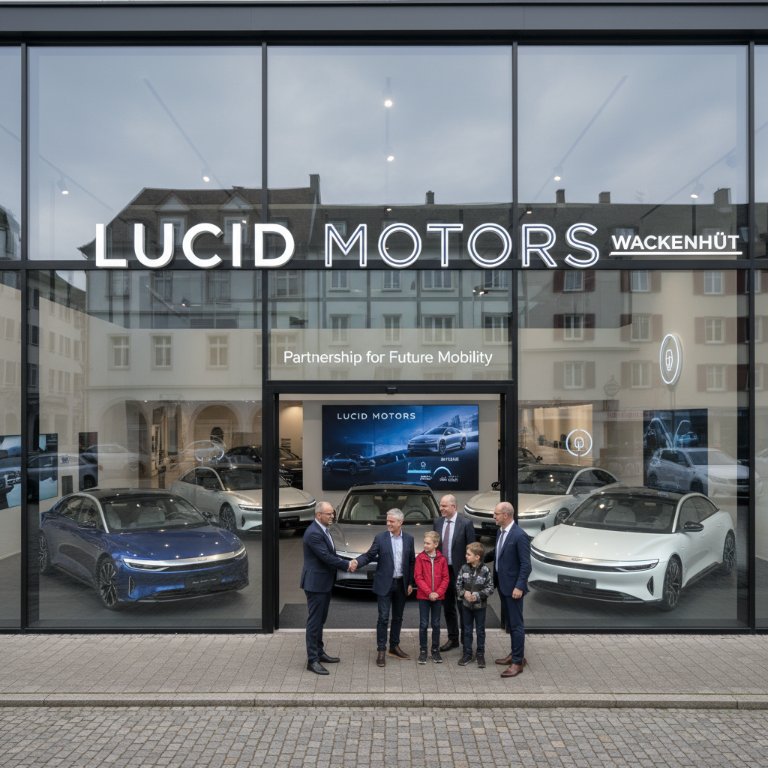
In a decisive strategic shift, Lucid Group is abandoning its pure direct-to-consumer sales model in Europe, commencing a new hybrid retail strategy in Germany today. The luxury EV manufacturer has forged a partnership with the established, family-owned dealer Wackenhut, marking its first European retail and service collaboration. Sales are officially underway in Baden-Baden as of March 30, 2026, with a Stuttgart location slated to follow this summer. This bold move underscores Lucid's commitment to expanding its European footprint more cost-efficiently while meticulously safeguarding its premium brand positioning and pricing structure.
Since its entry into the European market, Lucid has primarily operated through a direct-to-consumer model, similar to industry pioneer Tesla. This approach saw the establishment of Lucid Studios in key German cities like Munich, Frankfurt, Dusseldorf, and Hamburg, complemented by service centers and mobile service hubs. However, scaling a nascent luxury brand globally using an entirely D2C model proved capital-intensive and challenging for rapid expansion. Lucid's European sales notably declined by 32% in 2025, dropping to 319 registered vehicles from 470 the previous year, with Germany experiencing a sharp 53.3% decrease in registrations despite overall EV market growth. This backdrop provides crucial context for the strategic re-evaluation now underway.
A Strategic Pivot for European Growth
The collaboration with Wackenhut, a prominent premium dealer group headquartered in Nagold, Germany, represents a significant departure from Lucid's prior strategy. The new hybrid model is designed to leverage Wackenhut's extensive regional infrastructure and customer base, particularly its 11 locations across Baden-Württemberg, which include EV-ready facilities and certified high-voltage technicians. Key aspects of this new approach include:
- Initial Launch: Sales and service commenced today, March 30, 2026, in Baden-Baden.
- Expansion: A second Wackenhut facility in Stuttgart will offer Lucid sales and service this summer.
- Service Network: Additional Wackenhut facilities will support service operations, significantly expanding regional coverage and accessibility for Lucid customers.
- Brand Control: Lucid will retain direct control over brand positioning and pricing, ensuring a consistent premium experience while partners manage regional sales and service operations.
Why This Matters:
This strategic pivot by Lucid is more than just a change in distribution; it’s a critical self-correction and a potential blueprint for other luxury EV startups. For Lucid, it’s a pragmatic admission that a pure direct-to-consumer model, while effective for rapid initial market penetration in its home territory, presents substantial hurdles for cost-efficient global scaling, particularly in established and diverse markets like Europe. The significant dip in European sales in 2025 highlighted the urgent need for a more accessible and localized approach. Leveraging Wackenhut’s existing network reduces the immense capital expenditure required to build out a comprehensive sales and service infrastructure from scratch, allowing Lucid to broaden its reach without diluting its financial resources as severely. This could be a 'do-or-die' moment for Lucid's European aspirations, suggesting a more sustainable path forward.
For established dealer groups like Wackenhut, this partnership is a clear win. It validates the enduring relevance of traditional dealerships in the evolving EV landscape, demonstrating their ability to adapt and integrate cutting-edge EV brands into their portfolios. They gain a prestigious, high-tech brand, while Lucid benefits from their local market expertise, established customer trust, and operational efficiency. This collaboration signals to the broader automotive market that the future of EV sales may increasingly reside in hybrid models that blend the best of both direct sales and traditional dealership strengths. Consumers, too, stand to benefit from increased accessibility, localized service, and potentially faster delivery times.
Conclusion:
Lucid Group's shift to a hybrid retail model in Germany, beginning today, represents a mature and pragmatic evolution of its global expansion strategy. By embracing partnerships with established dealers like Wackenhut, Lucid is not only seeking to overcome past sales challenges but also to carve out a more sustainable and cost-efficient path to becoming a formidable player in the premium European EV market. This move could well serve as a crucial test case for how luxury EV manufacturers navigate the complexities of international growth, balancing brand integrity with market penetration in an increasingly competitive landscape.