Lexus Electrifies the Mainstream: 2026 ES EV Arrives Under $50,000, Disrupting Luxury Segment
Lexus is fundamentally reshaping its approach to electric vehicles, announcing that the all-new 2026 ES electric vehicle will launch with a starting p...
Editorial Team
World Of EV
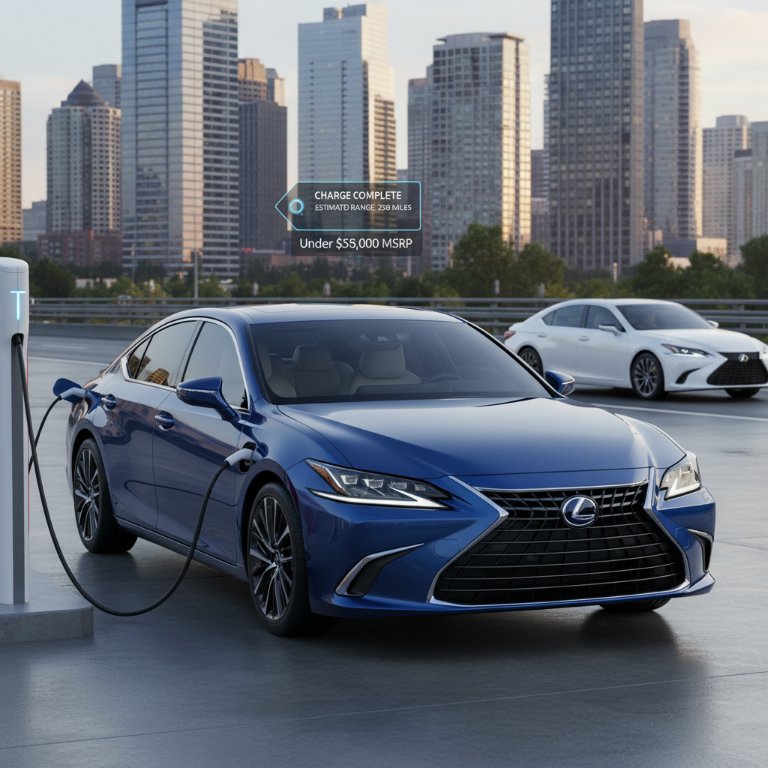
Lexus is fundamentally reshaping its approach to electric vehicles, announcing that the all-new 2026 ES electric vehicle will launch with a starting price under $50,000. This aggressive pricing strategy positions the ES EV as not only more affordable than its hybrid counterpart but also a compelling value proposition against established luxury sedans.
This move represents a significant pivot for Lexus, a brand that, alongside its parent company Toyota, has historically been cautious in its full-electric rollout, often prioritizing hybrids. Early dedicated EVs, such as the Lexus RZ 450e, faced criticism for conservative range figures and pricing that struggled to compete with more established players. The 2026 ES EV's pricing strategy signals a clear intent to accelerate EV adoption within the luxury segment by offering an undeniable value proposition.
An Unprecedented Price Point
The 2026 Lexus ES EV enters the market with the ES 350e Premium starting at $48,795, making it the most affordable option in the new ES lineup, undercutting the hybrid ES 350h Premium by over $2,000. This reversal of the typical EV-premium trend immediately creates a dilemma for prospective buyers: opt for the more refined, all-electric experience at a lower cost, or stick with the familiar hybrid.
Refinement, Speed, and Seamless Charging
While the ES 350e (FWD) offers 220 horsepower and a 0-60 mph time of 7.7 seconds, the ES 500e Premium (AWD) delivers a more potent 338 horsepower and a quicker 0-60 mph sprint of 5.4 seconds. The ES 500e Premium model offers an estimated range of 250 miles, while the ES 350e boasts an approximate 300-mile range. Though these figures aren't segment-leading, they are highly practical for daily commutes and many longer journeys. Crucially, the 2026 ES EV includes a built-in North American Charging Standard (NACS) port, providing direct access to the extensive and reliable Tesla Supercharger network, a significant convenience factor that addresses a primary concern for many potential EV owners.
Evolutionary Design, Revolutionary Powertrain
The 2026 ES EV maintains a similar appearance to its hybrid counterpart, opting for an evolutionary design that retains the ES's familiar luxury aesthetic rather than a radical departure. This approach may appeal to a broader audience, including existing ES owners or those who prefer a more traditional luxury sedan silhouette over some of the more futuristic EV designs on the market. The cabin features an improved Lexus Interface multimedia system with a 14-inch central navigation screen and a 12.3-inch driver display, along with wireless Apple CarPlay and Android Auto.
Why This Matters:
This aggressive pricing for the 2026 Lexus ES EV is more than just a model launch; it's a strategic declaration from Lexus and Toyota. For years, the automotive giants have been criticized for their measured, almost hesitant, approach to battery electric vehicles. With the ES EV, Lexus is showing it's ready to compete aggressively, using price as a potent weapon.
- Who Wins? Consumers, unequivocally. They gain access to a refined luxury EV sedan at an unprecedented price point, significantly accelerating the democratization of premium electric mobility. The seamless integration of NACS charging further enhances the ownership experience. Lexus also wins by challenging its "EV laggard" perception and potentially capturing significant market share from both internal combustion engine (ICE) and hybrid luxury sedan buyers. This move will also put pressure on other luxury automakers to re-evaluate their own EV pricing strategies.
- Who Loses? Potentially, Lexus's own ES hybrid sales. The EV's lower price, coupled with its inherent refinement and similar performance, creates a compelling argument against choosing the hybrid, leading to a calculated cannibalization. Entry-level luxury sedans from rival brands, both ICE and EV, will also face intensified competition from this aggressively priced Lexus offering.
- What Does This Signal? This signals a pivotal shift in Lexus's (and by extension, Toyota's) broader electrification strategy. It suggests a departure from conservative incrementalism towards a more assertive, market-driven approach. This isn't merely a new vehicle; it's a statement of intent to lead, or at least fiercely contend, in the rapidly evolving global EV landscape. It indicates a willingness to leverage manufacturing efficiencies and economies of scale to create compelling EV products that directly challenge established pricing norms. This strategic play could be the catalyst that finally propels Lexus into a dominant position within the mainstream luxury EV segment.
Conclusion:
The 2026 Lexus ES EV's arrival with a sub-$50,000 price tag isn't just news; it's a potential market disruptor. By offering a refined, feature-rich electric luxury sedan that undercuts its own hybrid and rivals, Lexus is forcing a recalibration of value in the premium EV space. This bold maneuver, coupled with critical NACS integration, positions the ES EV as a highly compelling option and a strong indicator of Lexus's serious commitment to an electrified future.