Leapmotor C10 REEV: A Promising Drivetrain Held Back by Frustrating Basic Tech Flaws
The 2026 Leapmotor C10 REEV has entered a rapidly expanding market, showcasing a compelling powertrain strategy but simultaneously revealing a surpris...
Editorial Team
World Of EV
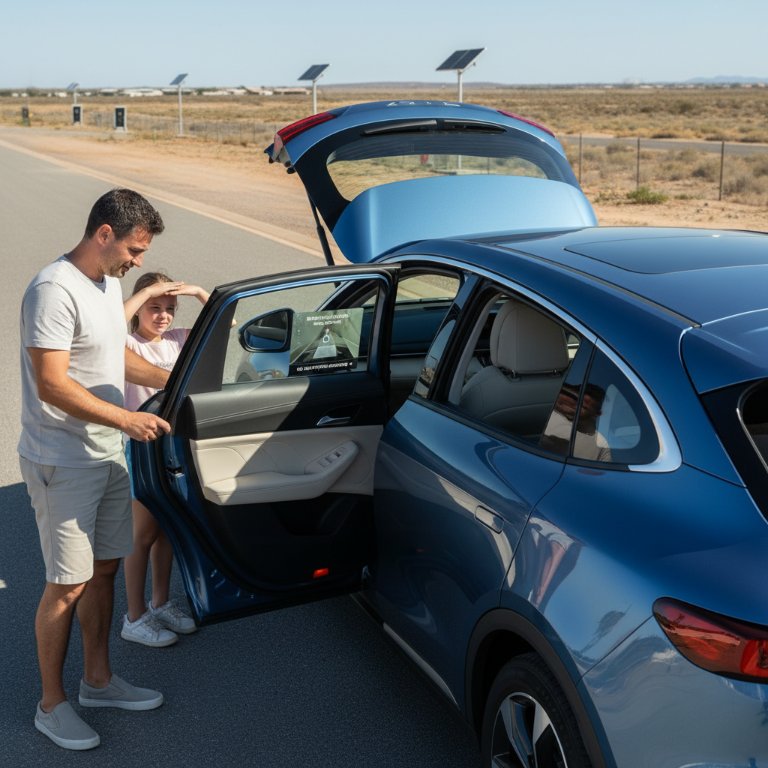
The 2026 Leapmotor C10 REEV has entered a rapidly expanding market, showcasing a compelling powertrain strategy but simultaneously revealing a surprising lack of polish in foundational user experience elements. As the global automotive landscape accelerates its shift towards electrification, Range Extended Electric Vehicles (REEVs) like the C10 are emerging as crucial bridge technologies, particularly in markets grappling with nascent charging infrastructure. Leapmotor, an ambitious Chinese EV manufacturer, aims to carve out its niche, yet initial owner experiences suggest a vehicle of two distinct halves.
Range Extended Powertrain Shines, But User Experience Stumbles
Owners of the 2026 Leapmotor C10 REEV have lauded its core electric driving experience. The EV powertrain delivers smooth, instant response, characteristic of modern electric vehicles, providing a refined and engaging ride. The REEV architecture itself proves to be a significant advantage, particularly in regions where public charging remains inconsistent or scarce. The ability to mitigate 'range anxiety' by not having to meticulously plan around charging stops is a powerful selling point for prospective buyers in markets like Australia. Beyond its powertrain, the C10 offers a genuinely spacious and comfortable cabin, complemented by good cargo capacity, addressing practical needs for families and commuters alike.
However, the overall ownership experience is marred by a series of basic technological oversights that, while individually minor, collectively create significant frustration. These include:
- Lack of Proximity Locking/Unlocking: Drivers must physically tap the driver's mirror to unlock the car, even when attempting to access the passenger side or trunk, a glaring omission in a modern vehicle.
- Underperforming Air Conditioning: The climate control system has been described as 'genuinely disappointing,' struggling to produce more than mildly cool air, an unacceptable flaw, especially in hot climates like the Australian summer.
- Infotainment Deficiencies: The system lacks essential smartphone mirroring capabilities (Android Auto/Apple CarPlay), a feature now standard across most entry-level vehicles. Furthermore, the reversing camera quality is 'shocking,' providing a poor visual feed, and the entire infotainment system suffers from a frustrating 15-second startup delay after ignition.
Why This Matters:
This dichotomy of excellent powertrain engineering versus rudimentary tech failures in the Leapmotor C10 REEV is a critical indicator for the brand's future trajectory and the broader EV market. For Leapmotor, the C10 represents a key product to expand its global footprint. Its REEV concept is strategically sound, positioning the brand to capture buyers hesitant about pure EVs due to range anxiety or infrastructure concerns. If these fundamental user experience issues are swiftly addressed, Leapmotor stands to win over a significant segment of the market, particularly in developing EV ecosystems. The smooth electric drive and the practical advantages of the range extender are strong foundations.
However, if these basic tech frustrations persist, Leapmotor risks severely damaging its brand reputation. In an industry increasingly defined by seamless digital integration and intuitive user interfaces, consumers expect a baseline of convenience and functionality that the C10 currently fails to deliver. Competitors like BYD and even established automakers are rapidly integrating advanced features and ensuring robust, reliable core functionalities. The lack of Apple CarPlay/Android Auto, a slow infotainment system, and poor air conditioning are not merely inconveniences; they signal a disconnect with modern consumer expectations. This isn't a 'do-or-die' moment for Leapmotor entirely, but it's certainly a critical juncture for the C10's competitiveness and the brand's perceived quality. It underscores that for any new automotive entrant, a stellar powertrain is only half the battle; the entire ownership ecosystem must be meticulously crafted.
The 2026 Leapmotor C10 REEV clearly demonstrates the brand's capability in developing efficient and responsive electric powertrains augmented by smart range-extending technology. Yet, the glaring omissions and underperformance in basic user-facing technology are significant hurdles that must be overcome. For Leapmotor to truly succeed, swift and decisive action is required to bridge the gap between its strong engineering fundamentals and the everyday expectations of the modern driver, ensuring a holistic and satisfying ownership experience is paramount for long-term success.