Kia's EV3 Air: A Strategic Play for the Fleet and Prosumer Market
The automotive industry's electrification march continues its rapid pace, and Kia, a formidable player in the EV space, is now making a calculated and...
Editorial Team
World Of EV
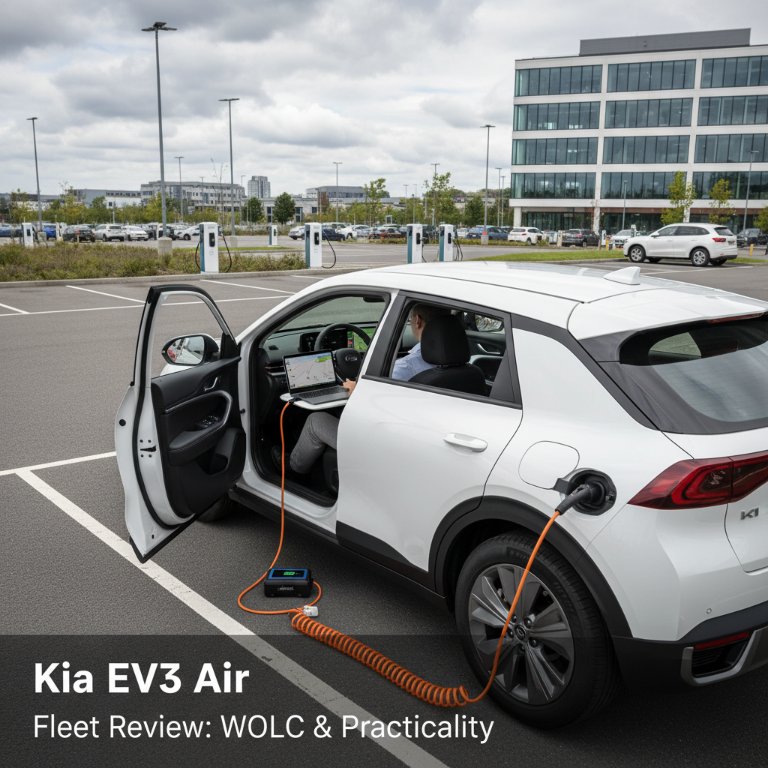
The automotive industry's electrification march continues its rapid pace, and Kia, a formidable player in the EV space, is now making a calculated and aggressive move into the burgeoning entry-level segment with the EV3 Air. This isn't just another compact electric vehicle; it's a strategically positioned offering designed to capture the attention—and wallets—of fleet operators and discerning urban professionals, blending affordability with surprising practicality.
After establishing its prowess with the critically acclaimed EV6 and the segment-defining EV9, Kia understands that mass adoption hinges on accessible yet compelling products. The EV3 Air emerges as their answer, aiming to redefine expectations for what an entry-level EV can deliver, especially when viewed through the lens of whole-of-life costs (WOLC) and real-world utility for commercial applications.
A Practical Powerhouse for Professionals
One of the most striking aspects of the EV3 Air, particularly for fleet managers and mobile professionals, is its thoughtful design as a versatile mobile workspace. The interior boasts ample room, specifically noted for accommodating a laptop, transforming the vehicle into a productive office on wheels. This seemingly minor detail speaks volumes about Kia’s understanding of modern work demands, where flexibility and connectivity are paramount.
Further enhancing its utility is the inclusion of vehicle-to-load (V2L) capability. This feature, often reserved for higher-tier EVs like the Hyundai Ioniq 5 or the Ford F-150 Lightning (albeit in different segments), allows the EV3 Air to power external devices, tools, or even small appliances. For delivery services, tradespeople, or anyone needing mobile power, V2L is a game-changer, elevating the EV3 Air from a mere transporter to an essential piece of equipment. Additionally, the user-friendly infotainment system, complemented by intuitive physical buttons, underscores a commitment to practicality over flashy but sometimes cumbersome all-touch interfaces, ensuring minimal driver distraction and a more intuitive user experience.
Unpacking the Whole-of-Life Cost Equation
For fleet operators, the sticker price is only one part of the equation; whole-of-life costs (WOLC) dictate true value. The EV3 Air shines here, promising significantly lower energy costs compared to its internal combustion engine (ICE) counterparts, a fundamental advantage of electric powertrains. Similarly, reduced servicing costs, attributed to fewer moving parts and less wear and tear in EVs, contribute positively to the bottom line over the vehicle's lifespan. While some might anticipate higher running costs due to specialized EV components, the review notes that tire costs remain comparable thanks to its practical 17-inch wheels, avoiding the premium often associated with larger, less common EV tire sizes. This demonstrates Kia's pragmatic approach to engineering for affordability and operational efficiency.
Beyond the Bottom Line: Design & Driver Appeal
Beyond its core functionalities and cost efficiencies, the EV3 Air also addresses crucial elements like exterior design, driver acceptance, and long-term market viability. An appealing and modern exterior ensures good brand representation for businesses and fosters driver satisfaction. Driver acceptance is paramount for fleet adoption; a vehicle that drivers enjoy operating will be better maintained and contribute to higher productivity. The assessment also considered its expected aging in the used market, a vital factor for residual values that directly impacts WOLC for fleets looking to cycle vehicles efficiently.
Why This Matters:
This strategic launch of the Kia EV3 Air is more than just another vehicle release; it signals a significant maturation of the EV market and Kia's astute positioning within it. By focusing on fleet and prosumer needs, Kia isn't just selling a car; it's selling a solution.
- Who wins? Fleet operators are clear winners, gaining access to a highly practical, cost-effective, and driver-friendly electric vehicle that directly addresses their operational and sustainability goals. Kia solidifies its reputation not just as an innovator in premium EVs, but also as a leader in practical, accessible electrification, expanding its market share significantly. Urban professionals and small businesses also benefit from a thoughtfully designed mobile office that integrates seamlessly into their work lives. This move further democratizes advanced EV features like V2L, previously found in more expensive segments.
- Who loses? Traditional ICE competitors in the compact commercial and fleet segments will find their market share increasingly eroded. Other entry-level EVs that fail to offer the same blend of utility, V2L, and driver-centric design may struggle to compete, highlighting a potential gap in their product strategies.
- What does this signal? The EV3 Air's targeted approach underscores a critical shift in the broader automotive market: EVs are moving beyond early adopter status to become indispensable, work-oriented tools. It signals Kia's foresight in identifying and catering to a specific, high-volume segment with a product engineered for purpose, further accelerating the transition to electric mobility in commercial sectors.
The Kia EV3 Air is poised to be more than just an entry-level EV; it's a statement of intent from Kia, demonstrating a deep understanding of the practical demands of the modern driver and the commercial market. By blending innovative features like V2L with a keen focus on whole-of-life costs and driver satisfaction, the EV3 Air is set to be a significant catalyst for EV adoption in the fleet and prosumer segments, driving forward the global electric transition one practical mile at a time.