Kia Unleashes Multi-Front EV Offensive: From Accessible Hatchbacks to a Commercial Revolution
Kia is not just building electric vehicles; it's meticulously constructing a comprehensive EV ecosystem, and recent developments signal an aggressive ...
Editorial Team
World Of EV
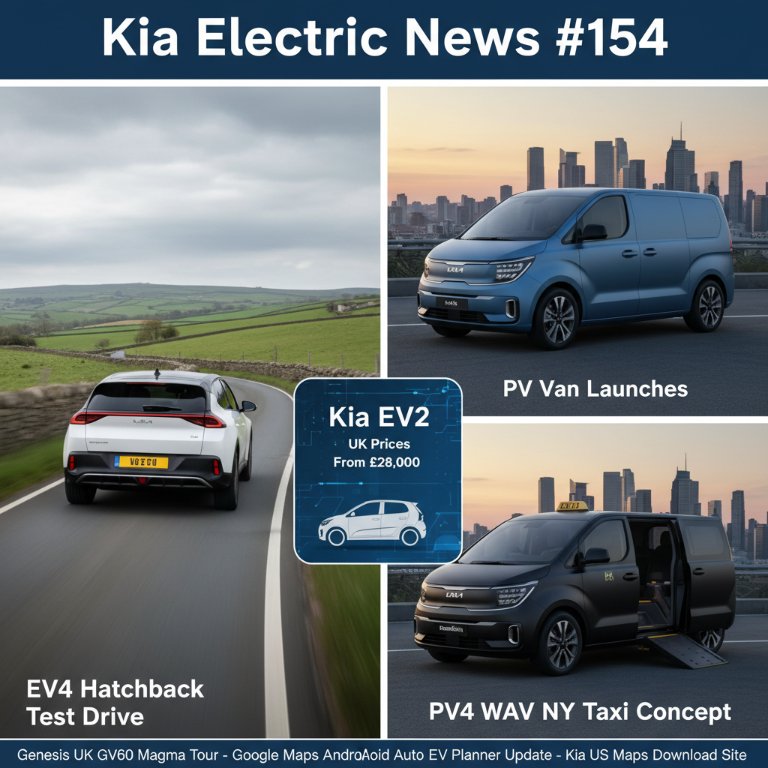
Kia is not just building electric vehicles; it's meticulously constructing a comprehensive EV ecosystem, and recent developments signal an aggressive expansion across nearly every segment. From an anticipated affordable hatchback to a full-fledged push into the commercial vehicle sector, Kia’s strategy demonstrates a clear intent to dominate the electrified future. This strategic blitz builds upon the strong foundations laid by popular models like the EV6 and EV9, showcasing a brand confident in its technological prowess and market vision.
Expanding the Consumer Lineup: EV2, EV3, and EV4 Chart a Diverse Path
Kia’s consumer-focused EV offerings are rapidly diversifying, aiming to capture a broader audience. The buzz around a POV (Point of View) test drive of the Kia EV4 Hatchback indicates its imminent arrival, promising a potentially sportier and more compact EV option. This will be crucial for urban buyers and those seeking a more agile electric experience, bridging the gap between larger SUVs and truly compact city cars.
- EV2 UK Pricing Details Emerge: The release of UK pricing information for the Kia EV2 is a significant development. This model is poised to become Kia’s entry-level EV, directly challenging established combustion-engine compacts and making EV ownership more accessible to a wider demographic. Its competitive pricing will be key to its success, potentially drawing buyers away from internal combustion engine (ICE) vehicles and even some lower-tier EV competitors. Expect robust sales if Kia can deliver on range and features at an aggressive price point.
- EV3 Full GT Promotional Videos Spark Excitement: Meanwhile, promotional videos for the Kia EV3 full GT signal Kia’s commitment to performance. The GT variant of the EV3 suggests an exhilarating driving experience, tapping into the growing demand for sporty electric cars. This move enhances Kia's brand image, proving that its EVs can offer both practicality and thrilling dynamics, similar to how Tesla's performance models have elevated its brand perception.
Kia's Bold Leap into Commercial EVs with the PV5 Series
Perhaps the most impactful development comes from Kia’s new Purpose-Built Vehicle (PBV) initiative, with the PV5 series making a decisive entry into the commercial EV market. This isn't just an adaptation of existing platforms; it's a dedicated effort to meet the diverse and demanding needs of businesses and fleets.
- PV5 Crew Van Launches, Cargo High Roof Premieres: The official launch of the Kia PV5 Crew van is a clear signal of intent. This will be followed by the European premiere of the PV5 Cargo High Roof at the Commercial Vehicle Show 2026, demonstrating Kia's multi-faceted approach to this critical sector. These vehicles are designed from the ground up to offer maximum utility, efficiency, and flexibility for various commercial applications, from delivery services to tradespeople.
- Innovative PV5 WAV NY Taxi Concept: Further showcasing its adaptability, Kia, in collaboration with BraunAbility, has unveiled a PV5 WAV (Wheelchair Accessible Vehicle) NY Taxi concept. This groundbreaking initiative targets a vital niche in urban transportation, providing specialized solutions for accessible mobility. This partnership not only highlights Kia's engineering versatility but also its commitment to social responsibility and addressing underserved market segments.
Enhancing the EV Ecosystem and Premium Appeal
- Google Maps Android Auto EV Planner Update: An update to the Google Maps Android Auto EV planner is excellent news for all EV owners, particularly Kia drivers. Improved routing with charging stops, real-time charger availability, and more accurate range predictions directly address common EV anxieties and enhance the practicality of long-distance electric travel. This seamlessly integrates with Kia's own US Maps download site, ensuring owners have access to the latest navigation and vehicle data.
- Genesis UK GV60 Magma Tour and Test Drives: Meanwhile, Kia’s luxury sibling, Genesis, is elevating its performance credentials with the GV60 Magma tour and test drive events in the UK. The Magma sub-brand signifies Genesis's foray into high-performance luxury EVs, attracting a premium clientele and showcasing the ultimate capabilities of the E-GMP platform shared across the group.
Why This Matters:
This flurry of announcements underscores Kia’s position as a truly formidable player in the global EV market. This isn't just about selling more cars; it's about establishing a dominant presence across the entire spectrum of electric mobility.
Who wins? Clearly, Kia and its parent company are on a winning streak. Consumers benefit from an unprecedented array of choices, from entry-level hatchbacks to specialized commercial vehicles and performance-oriented luxury EVs. Fleet operators, in particular, stand to gain significantly from the purpose-built PV5 line, which promises lower operating costs and enhanced efficiency. The investment in software and accessibility solutions also benefits all current and prospective EV owners.
Who loses? Legacy automakers still grappling with the transition to electric powertrains, especially those lacking a dedicated EV platform or a clear commercial EV strategy, face an increasingly steep climb. Competitors in the compact EV and light commercial vehicle segments will find Kia’s aggressive pricing and diverse offerings a significant challenge.
What does this signal? Kia is moving beyond simply offering compelling EV models; it's building an entire electric ecosystem. The PV5 series, in particular, signals a mature understanding of market needs beyond private ownership, recognizing the massive untapped potential in the commercial sector. This signals a confident, comprehensive, and highly competitive EV strategy designed for long-term market leadership.
Looking Ahead: Kia's Electrified Future Takes Shape
Kia’s recent announcements paint a clear picture of a brand executing a sophisticated, multi-pronged EV strategy. By simultaneously expanding consumer choice, revolutionizing commercial mobility, and enhancing the overall ownership experience, Kia is not merely adapting to the electric future – it is actively shaping it. The coming years will undoubtedly solidify Kia’s position as a global leader in the automotive industry’s most transformative era.