Kia EV9: A Flagship's Mixed Fortune, Embracing NACS Amidst Early Reliability Concerns
Kia’s ambitious foray into the premium three-row electric SUV segment with the 2026 EV9 has been a bold statement, aiming to redefine family-focused e...
Editorial Team
World Of EV
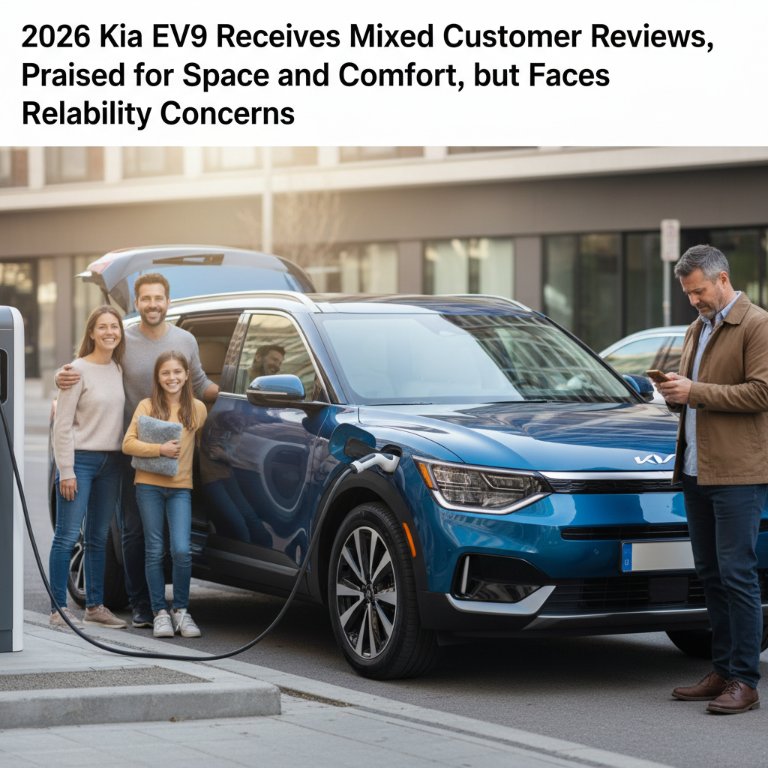
Kia’s ambitious foray into the premium three-row electric SUV segment with the 2026 EV9 has been a bold statement, aiming to redefine family-focused electrification. After years of building momentum with stellar offerings like the EV6, the EV9 was poised to be Kia's crown jewel, showcasing the brand's commitment to innovation and spacious EV design. On paper, it delivers a compelling package of spaciousness, comfort, a smooth ride, rapid acceleration, and quick charging capabilities, immediately positioning it as a strong contender in a burgeoning, high-demand market segment.
However, early owner reviews are painting a more nuanced picture, revealing a duality of excellence and concern that industry analysts are watching closely. While the vehicle's inherent design and performance draw significant praise, a murmur of reliability issues related to the battery and electrical system, coupled with reports of vibrations at high speeds and minor touchscreen glitches, suggests Kia faces a critical period to solidify the EV9's premium standing. This feedback isn't unprecedented for a new platform, but for a vehicle carrying the weight of a flagship, it demands immediate and decisive action.
NACS Integration: A Charging Game Changer
One of the most significant announcements for the 2026 model year is Kia’s decision to integrate the Tesla-style North American Charging Standard (NACS) charge port. This move, following a widespread industry trend, is nothing short of revolutionary for consumer convenience. For years, non-Tesla EV owners have grappled with a fragmented and often unreliable public charging infrastructure. The adoption of NACS means future EV9 owners will gain access to Tesla's expansive and famously dependable Supercharger network, drastically easing range anxiety and making long-distance travel significantly more viable. This strategic shift isn't just about a port; it's about unlocking a superior charging ecosystem, a critical factor for prospective EV buyers.
The EV9's Core Strengths on Display
Despite the emerging concerns, the EV9's fundamental appeal remains undeniable. It stands out in the market for its:
- Exceptional Interior Space: Genuine three-row comfort, accommodating families with ease.
- Refined Ride Quality: A plush and smooth driving experience, indicative of its premium aspirations.
- Responsive Performance: Quick acceleration that belies its size, typical of modern EVs.
- Fast Charging Capabilities: Minimizing downtime and maximizing convenience on the road.
These attributes make the EV9 a formidable package, especially for those prioritizing practicality and comfort in an electric SUV.
Why This Matters:
The 2026 Kia EV9's journey is a microcosm of the wider EV industry's maturation. For Kia, it's a double-edged sword: the vehicle's impressive design and performance speak volumes about the brand's engineering prowess, but the reported reliability issues, if not swiftly addressed, could tarnish the premium image they are meticulously building. Resolving these early glitches is paramount for Kia to maintain consumer trust and sustain its aggressive growth in the EV space. Failure to do so could see momentum shift to more established or reliability-proven rivals. Who wins? Future EV9 owners who will benefit from seamless NACS charging access and, hopefully, a refined, reliable product. Kia wins if it demonstrates a rapid response to quality control, turning early stumbles into a testament to its customer commitment. The market overall signals that while cutting-edge features are vital, foundational reliability and a robust charging ecosystem are becoming non-negotiable for success in the competitive EV landscape. This is not a 'do-or-die' moment for Kia as a whole, but it is certainly a 'prove-it' moment for the EV9's long-term viability as a true segment leader.
In conclusion, the 2026 Kia EV9 represents a compelling vision for the electric family SUV, combining thoughtful design with practical functionality. Its adoption of the NACS port is a game-changer for convenience, setting a new benchmark for accessibility. However, the whispers of early reliability issues present a significant challenge. How Kia responds to these concerns in the coming months will largely determine whether the EV9 ultimately fulfills its immense potential and solidifies its place as a true segment leader.