Kia EV3 Air Electrifies Fleet Prospects, But Residual Values Cast a Shadow
Kia's latest compact SUV, the EV3 Air, is making a significant splash in the fleet market, lauded for its compelling operational economics. Early revi...
Editorial Team
World Of EV
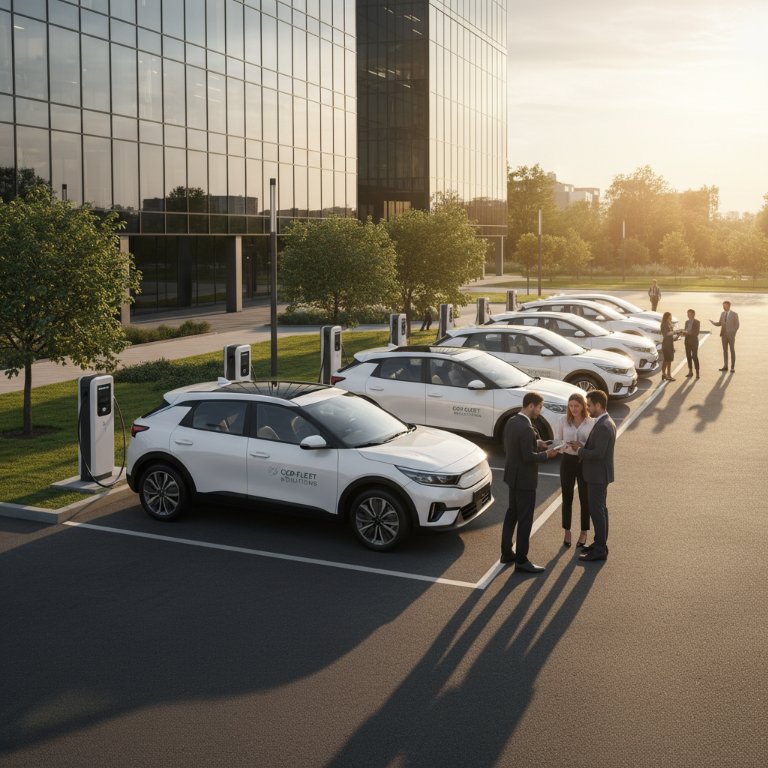
Kia's latest compact SUV, the EV3 Air, is making a significant splash in the fleet market, lauded for its compelling operational economics. Early reviews highlight the EV3 Air as a highly practical option for organizations eager to electrify their operations, offering substantial energy and servicing cost reductions when stacked against its hybrid Sportage counterpart. This strategic move by Kia underscores a growing industry trend: the pursuit of the lucrative corporate and rental fleet sector, which is pivotal for scaling EV adoption and reaching emissions targets.
Operational Efficiency: A Clear Win for Fleets
The EV3 Air's primary appeal to fleet managers lies in its robust total cost of ownership (TCO advantages). Compared to internal combustion engine (ICE) or even hybrid alternatives like Kia's own Sportage, the EV3 Air promises a substantial reduction in ongoing expenses.
- Lower Energy Costs: Electrification inherently sidesteps volatile fossil fuel prices, offering predictable and often cheaper per-mile running costs. This is a critical factor for fleets with high annual mileage.
- Reduced Servicing Demands: EVs typically feature fewer moving parts than traditional vehicles, leading to less frequent and less costly maintenance schedules. This translates directly to reduced downtime and increased operational efficiency for businesses.
These cost savings are not merely incremental; they represent a compelling financial argument for organizations aiming to decarbonize their vehicle pools without sacrificing usability or reliability. The EV3 Air's clean and inoffensive exterior design further bolsters its fleet credentials, ensuring broad driver acceptance and maintaining a desirable aesthetic for eventual resale.
The Lingering Question of Residual Values
Despite its strong operational advantages, the Kia EV3 Air faces a familiar hurdle for many nascent EV models: uncertain residual values. Reviews point to a significant challenge in this area, primarily due to two interconnected factors:
- Limited Market Data: As a relatively new entrant in a rapidly evolving segment, concrete long-term resale data for the EV3 Air remains scarce. This lack of historical performance makes it difficult for leasing companies and fleet managers to accurately project future asset depreciation.
- Battery Longevity Concerns: Persistent, albeit often unfounded, concerns about the long-term degradation and replacement costs of EV batteries continue to weigh on residual values across the industry. While manufacturers like Kia offer robust battery warranties, the market is still maturing in its understanding and valuation of used EVs with several years of battery usage. This challenge is not unique to Kia; it's an industry-wide discussion that brands like Tesla (with their 4680 cells) and BYD (with their Blade battery) are actively addressing through technological advancements and comprehensive warranty packages to instill greater buyer confidence.
Why This Matters:
The Kia EV3 Air's entry into the fleet market is a microcosm of the broader electrification push. This vehicle is more than just a new model; it's a strategic gambit by Kia to solidify its position in a crucial, high-volume segment that can rapidly accelerate EV adoption.
Who Wins? Fleet operators are the immediate beneficiaries, gaining access to a practical, cost-effective, and emissions-reducing vehicle that doesn't compromise on day-to-day utility. Kia also wins by diversifying its EV portfolio beyond the premium EV6 and EV9, targeting a wider commercial audience and securing significant bulk orders. This move signals Kia's commitment to making EVs accessible and viable across various market segments.
Who Loses? Traditional ICE and hybrid fleet providers may find themselves under increased pressure as EV alternatives like the EV3 Air demonstrate tangible TCO advantages. Individual consumers, particularly those considering a used EV3 Air in a few years, might face a more volatile resale market if residual values don't stabilize, though Kia's robust warranties and increasing battery confidence should mitigate some of this risk over time.
What Does This Signal to the Market? This launch reinforces that the battle for EV dominance is expanding beyond high-performance and luxury segments into the practical, workhorse categories. It highlights the ongoing tension between the undeniable operational benefits of EVs and the market's need for greater certainty regarding long-term asset value and battery performance. The industry must continue to provide transparent data and robust solutions to overcome the residual value hurdle.
In conclusion, the Kia EV3 Air presents a compelling proposition for fleets, offering a clear path to reduced operational costs and a greener footprint. While the challenges of establishing robust residual values and allaying battery longevity concerns remain, the EV3 Air is a critical step for Kia in capturing the vital fleet market and driving the mainstream adoption of electric vehicles forward. Its success will undoubtedly influence future EV development, not just for Kia but for the entire industry, as automakers strive to balance innovation with financial practicality.