Ireland's Electric Dawn: Home Charging Fuels Historic EV Sales Surge
Ireland has officially reached a monumental tipping point in its automotive landscape, with electric vehicles (EVs) outselling petrol cars for the fir...
Editorial Team
World Of EV
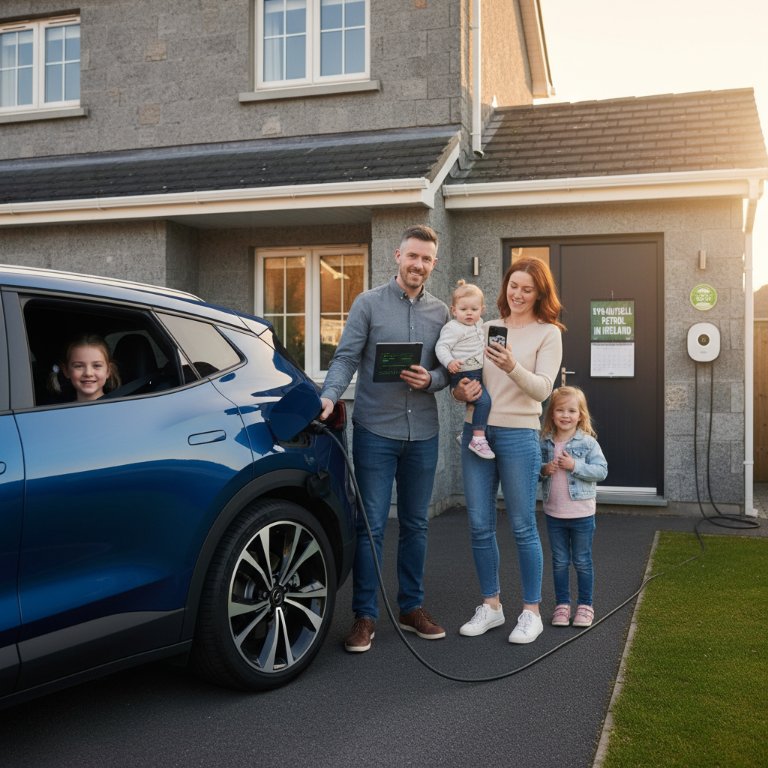
Ireland has officially reached a monumental tipping point in its automotive landscape, with electric vehicles (EVs) outselling petrol cars for the first time in January. This historic shift isn't just a statistical blip; it's a profound indicator that the widespread adoption of EVs is accelerating, largely powered by the silent, transformative convenience of home charging.
After years of gradual growth, the latest figures from the Society of the Irish Motor Industry (SIMI) reveal a staggering 48% increase in electric vehicle sales in January compared to the previous year. This unprecedented surge underscores a rapidly maturing market and a decisive turn away from internal combustion engines, signaling a future where petrol cars are no longer the default choice for Irish motorists.
The Home Charging Revolution: Dispelling Doubt, Driving Demand
While public charging infrastructure often dominates headlines and consumer anxieties, the true catalyst behind this surge is the undeniable convenience and cost efficiency of home charging. Many EV owners universally report that a home charger fundamentally transforms their ownership experience, effectively eliminating weekly petrol station runs and the accompanying stress of fluctuating fuel prices.
- Effortless Convenience: Owners simply plug in their vehicle overnight and wake up to a full battery, ready for the day's demands.
- Cost Maximization: This routine allows owners to maximize the inherent cost advantage of EV ownership, especially when utilizing smart electricity rates during off-peak hours.
- Eradicating Range Anxiety: The constant availability of a full 'tank' at home significantly diminishes 'range anxiety,' a long-standing barrier to EV adoption, by ensuring daily driving needs are met without a thought to public charging availability.
This seamless integration of charging into daily life isn't merely a perk; it’s a critical enabler. EVs inherently cost significantly less to 'fuel' than their petrol or diesel counterparts, a benefit amplified exponentially by smart home charging. This economic advantage, combined with the sheer convenience, is directly contributing to the diminishing perception of charging as a hurdle for prospective buyers.
Why This Matters:
- Who Wins: EV owners are the clear victors, enjoying unprecedented convenience and significant operational cost savings. Governments and environmental agencies also score a major win as decarbonization targets become more attainable. Furthermore, manufacturers committed to their EV strategies, particularly those with compelling home charging solutions, will see their market share expand rapidly.
- Who Loses: The traditional fossil fuel industry and petrol station networks face an existential threat as demand for their core product erodes. Legacy automakers slow to pivot to a full EV portfolio risk being left behind in a rapidly evolving market, reminiscent of past technological disruptions. Their petrol-powered offerings will increasingly appear obsolete and economically disadvantaged.
- What This Signals: This historic sales flip sends an undeniable message to the automotive and energy sectors: the future of personal mobility is electric, and the battleground for consumer adoption is increasingly shifting from raw range numbers to holistic ownership experience, with home charging at its core. It underscores that robust home charging infrastructure is as vital as the vehicles themselves in accelerating the transition. This also signals a growing consumer understanding of the total cost of ownership, where cheaper 'fuel' at home outweighs initial purchase price concerns for a growing segment.
- A 'Do-or-Die' Moment: For manufacturers still hedging their bets on internal combustion engines, this Irish sales data serves as a stark warning. The market is moving decisively, and those without a robust, consumer-centric EV strategy – one that acknowledges and supports the home charging revolution – face an increasingly difficult path to long-term relevance and profitability.
Ireland's January figures are more than just sales data; they represent a fundamental paradigm shift in how consumers view and interact with their vehicles. The era of effortless, cost-effective electric mobility, powered by the charger in every garage, has truly arrived, laying a definitive blueprint for the future of transportation across the globe.