Hyundai Ioniq 9's Rocky Start Underscores Critical EV Delivery Challenges
Hyundai's Ioniq brand, built on the innovative E-GMP platform, has been a beacon of the brand's ambitious push into the premium electric vehicle segme...
Editorial Team
World Of EV
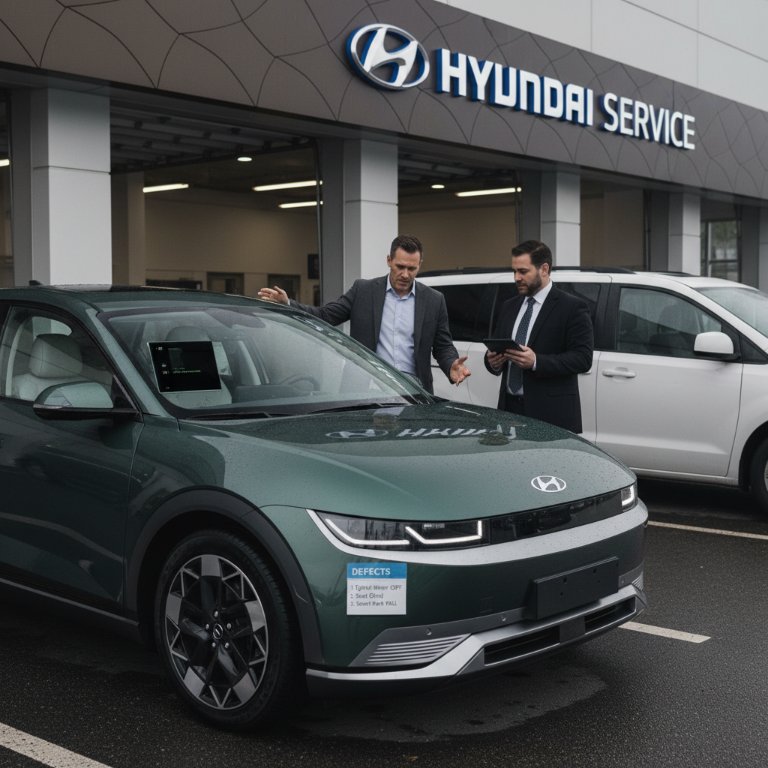
Hyundai's Ioniq brand, built on the innovative E-GMP platform, has been a beacon of the brand's ambitious push into the premium electric vehicle segment. The upcoming 2026 Ioniq 9, a flagship SUV, is poised to challenge established players with its advanced technology and upscale design. However, the recent delivery of a top-tier Ioniq 9 Calligraphy model to a customer, riddled with multiple significant defects and followed by a two-week communication vacuum, casts a stark shadow over these ambitions, exposing deep-seated issues within Hyundai's retail and service infrastructure. This incident is not just a one-off; it’s a glaring symptom of a larger systemic problem that threatens the Ioniq brand’s premium perception.
The Flawed Delivery
The highly anticipated 2026 Hyundai Ioniq 9 Calligraphy, positioned at the pinnacle of Hyundai’s EV lineup and commanding a premium price tag, was an immediate disappointment for one early adopter. Barely driven 20 miles from the dealership, the vehicle exhibited multiple critical malfunctions. These aren't minor glitches; they speak to a fundamental lapse in quality control and pre-delivery inspection (PDI) processes for a technologically sophisticated vehicle:
- A non-functional digital rearview mirror.
- A driver's seat that emitted an unsettling grinding noise during adjustments.
- Completely inactive Smart Park Assist, a key driver-assistance feature.
A Breakdown in Service
Adding insult to injury, the customer's attempt to rectify these glaring issues met with an equally troubling response from the dealership network. After promptly returning the brand-new, defective vehicle, the owner received a rental minivan – a significant downgrade from their premium EV purchase. More critically, the ensuing two weeks were characterized by a complete lack of transparent communication, leaving the owner in the dark about the status of their high-value investment. This silence from the very entities meant to support and service Hyundai's advanced EVs reveals a profound disconnect.
Why This Matters:
For savvy EV enthusiasts and prospective buyers, incidents like this directly erode confidence in Hyundai's ability to deliver on its premium promises. The Ioniq 9 is meant to be a flagship, a statement of technological prowess and luxury. When the most expensive trim arrives with such basic yet critical flaws, it devalues the entire Ioniq brand and casts doubt on Hyundai's overall commitment to quality at the high end.
This situation starkly highlights the ongoing challenge traditional automakers face in transitioning their established dealer networks to support high-tech EVs. Unlike internal combustion engine vehicles, EVs feature complex software, integrated systems, and different service requirements. The Ioniq 9's advanced features, such as the digital rearview mirror and Smart Park Assist, demand specialized training, meticulous pre-delivery inspections, and a robust communication pipeline—elements clearly missing here. Tesla, for all its manufacturing woes, built its service and delivery infrastructure from the ground up to handle direct sales and high-tech vehicles, often bypassing the traditional dealership model that struggles with such transitions.
Early adopters of premium EVs are often influencers, vocal about their experiences. A negative experience like this can rapidly propagate through online forums and social media, deterring future buyers. Hyundai cannot afford to alienate this crucial segment if it wants the Ioniq 9 to succeed against formidable competitors in the luxury EV SUV space.
This is not a “do-or-die” moment for Hyundai as a whole, but it is unequivocally a critical juncture for the Ioniq brand's premium positioning. Hyundai must urgently implement comprehensive, mandatory training for all dealer personnel on its advanced EV technologies, overhaul its pre-delivery inspection checklists specifically for Ioniq models, and establish clear, proactive communication protocols for customers facing service issues. Failure to do so risks permanently damaging the Ioniq's reputation and jeopardizing Hyundai's significant investment in its electric future.
The incident surrounding the 2026 Ioniq 9 Calligraphy's flawed delivery serves as a potent reminder that the pursuit of technological advancement in electric vehicles must be matched by an equally sophisticated and reliable retail and service infrastructure. For Hyundai, this is a wake-up call to bridge the chasm between its ambitious product development and the fundamental customer experience, ensuring that the promise of a premium EV is delivered flawlessly, every single time.