Hyundai Ioniq 9 Arrives: Blending Digital Sophistication with Tactile Practicality for the Premium EV Segment
Hyundai is making a definitive statement in the burgeoning large electric SUV market with the arrival of the Ioniq 9. After the groundbreaking success...
Editorial Team
World Of EV
Hyundai is making a definitive statement in the burgeoning large electric SUV market with the arrival of the Ioniq 9. After the groundbreaking success of the Ioniq 5 and the sleek Ioniq 6, the Ioniq 9 emerges as Hyundai's flagship, designed to challenge established players and capture the attention of discerning EV enthusiasts and families alike. This isn't merely an expansion of the Ioniq line; it's Hyundai's strategic move to solidify its position in the lucrative premium electric SUV segment, offering a compelling blend of cutting-edge technology and thoughtful user experience.
Inside the Ioniq 9: A Thoughtful Blend of Tech and Tradition
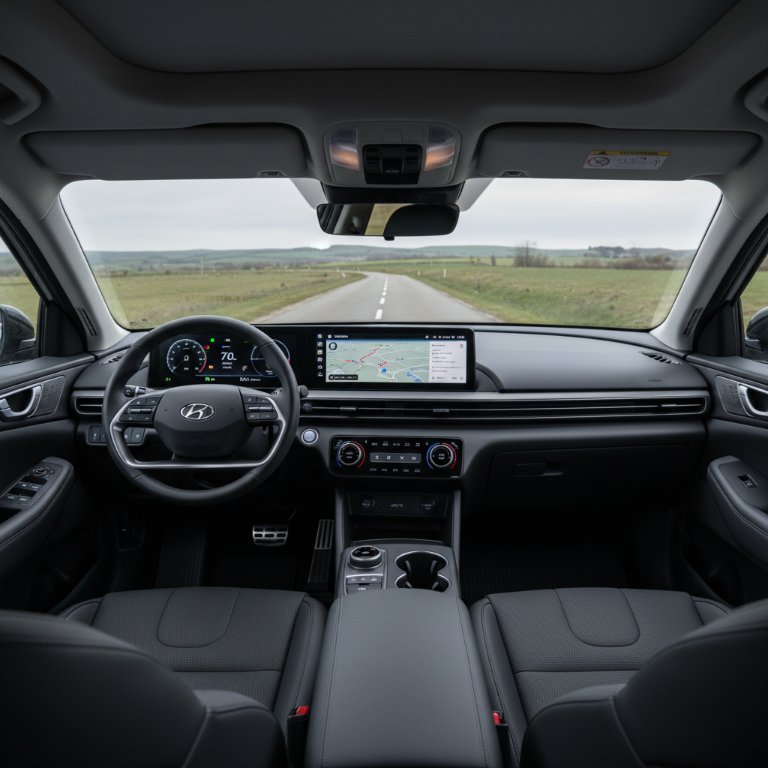
Stepping into the Ioniq 9, drivers are greeted by an interior that attempts to bridge the gap between futuristic digital interfaces and tangible, user-friendly controls. Hyundai has clearly listened to feedback from an automotive landscape increasingly dominated by pure touchscreen experiences. The Ioniq 9 features two large digital screens for information and control, providing ample real estate for navigation, infotainment, and vehicle settings.
However, in a move that many will applaud, Hyundai has wisely retained tactile dials for essential functions such as climate control and drive modes. This hybrid approach ensures that crucial adjustments can be made intuitively, without diverting attention from the road – a critical safety and convenience factor that often gets overlooked in the race for minimalist design.
Interior Ambiance: From Ultimate to Uplifting
The Ioniq 9's interior ambiance varies significantly across trim levels, an important consideration for prospective buyers. The entry-level Ultimate trim, while well-equipped, is described as somewhat gloomy, with dark fabric and leather dominating the cabin. This choice, while practical for wear, might detract from the sense of spaciousness many expect from a large SUV.
Conversely, higher-spec models are poised to offer a lighter, more spacious feel. This suggests Hyundai is keen to cater to diverse preferences, allowing buyers to choose between a more understated, robust interior or one that emphasizes airiness and premium aesthetics. For a vehicle targeting the premium segment, these material and color choices are crucial for first impressions and long-term satisfaction.
Power and Endurance: The Ioniq 9's Robust Drivetrain
Underneath its striking exterior, the entry-level Ioniq 9 doesn't shy away from impressive specifications. It comes equipped with a rear-mounted 215bhp motor, delivering competent performance for daily driving and highway cruising. More significantly, the vehicle houses a substantial 110kWh battery, placing it firmly among the leaders in energy storage for production EVs.
This large battery capacity translates into a claimed WLTP range of up to 385 miles. While WLTP figures often represent optimal conditions, real-world observations suggest a highly respectable range of approximately 300 miles. This real-world figure is a critical benchmark for an SUV of this size, effectively mitigating range anxiety for most users and making long-distance travel a comfortable reality without frequent charging stops. This range directly competes with, and in some cases, surpasses many rivals in the large EV SUV category.
Why This Matters:
The Hyundai Ioniq 9's debut is far more than just another vehicle launch; it's a critical moment for Hyundai's long-term EV strategy and a significant indicator for the broader automotive market. Hyundai is unequivocally solidifying its position as a top-tier electric vehicle manufacturer, moving beyond niche segments to challenge established luxury and volume players in the highly profitable large SUV category. This commitment is evident in the Ioniq 9's substantial 110kWh battery, a capacity that directly addresses one of the primary concerns for prospective EV buyers: range anxiety, particularly for larger family vehicles or those intended for towing. A real-world 300-mile range is a compelling proposition that will undoubtedly sway buyers considering traditional gasoline SUVs or less capable electric alternatives.
Furthermore, Hyundai's intelligent integration of large digital screens alongside tactile physical controls is a strategic masterstroke. In a market where some manufacturers have alienated users with an over-reliance on complex, menu-driven touchscreens, the Ioniq 9 offers a refreshing balance. This user-centric approach to interior design could be a significant differentiator, attracting consumers who value both cutting-edge technology and intuitive usability. Those who prioritize functionality and safety will see this as a clear win. Conversely, competitors who continue to prioritize minimalist, all-screen interiors without considering practical user interaction may find themselves losing ground to Hyundai's more balanced approach.
This vehicle signals Hyundai's ambition to capture a larger share of the premium EV market, an arena currently contested by the likes of Mercedes-Benz, BMW, and Tesla. By offering competitive range, thoughtful interior design, and a robust powertrain, the Ioniq 9 positions Hyundai not just as an EV innovator, but as a genuine contender for the discerning premium buyer. This isn't just about selling more cars; it's about elevating the entire Hyundai brand perception in the electric era.
Conclusion:
The Hyundai Ioniq 9 arrives as a thoughtfully engineered and strategically important addition to the rapidly expanding EV landscape. With its commanding presence, practical interior design that balances technology with usability, and a robust powertrain delivering substantial real-world range, the Ioniq 9 is poised to be a compelling choice for families and enthusiasts alike. It represents a mature evolution of Hyundai's electrification journey, promising to reinforce the brand's reputation for delivering high-quality, innovative electric vehicles that meet the diverse needs of today's drivers.