Hong Kong Unveils Ambitious EV Roadmap, Tackling Key Adoption Barriers Head-On
Hong Kong is charging forward with a significantly updated roadmap for electric vehicle popularization, signaling a decisive shift towards a greener a...
Editorial Team
World Of EV
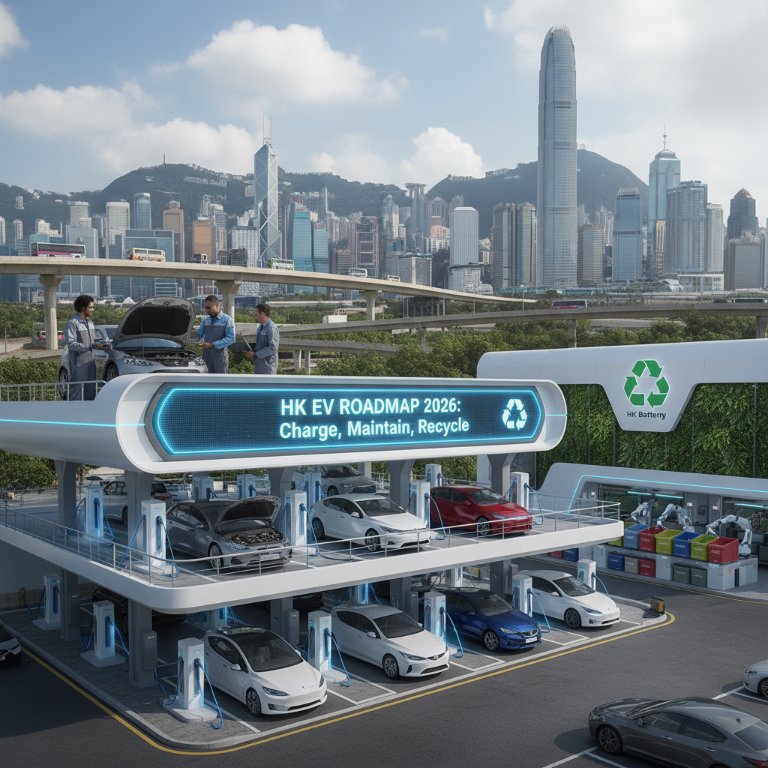
Hong Kong is charging forward with a significantly updated roadmap for electric vehicle popularization, signaling a decisive shift towards a greener automotive future. This comprehensive strategy directly addresses long-standing hurdles to widespread EV adoption, moving beyond mere incentives to build a robust, sustainable ecosystem. It marks a critical juncture for the city, aiming to transform its urban landscape and reinforce its commitment to environmental stewardship.
Historically, the global EV transition has been plagued by a fragmented approach, often prioritizing vehicle sales over the foundational infrastructure required for sustained growth. Many regions, including bustling metropolises, have struggled with range anxiety due to insufficient charging points, a dearth of skilled technicians for specialized EV maintenance, and perhaps most critically, a looming question mark over the end-of-life management of EV batteries. Hong Kong’s new blueprint appears to learn from these past challenges, presenting a holistic vision rather than piecemeal solutions.
Expanding the Charging Network and Skill Base
The government's updated strategy focuses on several interconnected pillars designed to make EV ownership more convenient and sustainable:
- Aggressive Charging Network Expansion: While specifics on the number of new chargers and locations are yet to be fully detailed, the emphasis is clearly on significantly expanding public and semi-public charging infrastructure. This aims to alleviate 'range anxiety,' a primary concern for potential EV buyers in densely populated areas.
- Specialized EV Maintenance Training: Recognizing the unique maintenance requirements of EVs compared to traditional internal combustion engine vehicles, the roadmap includes plans for comprehensive training programs. This is crucial for ensuring competent service and repair options, boosting consumer confidence, and creating new job opportunities within the green economy.
Pioneering Large-Scale Battery Recycling
Perhaps the most significant and forward-thinking aspect of Hong Kong’s new roadmap is its direct attack on the looming challenge of EV battery waste. The city has committed to establishing a large-scale EV battery recycling facility, with operations expected to commence in the first half of 2026. This initiative positions Hong Kong as a leader in addressing the environmental footprint of EVs, moving beyond carbon emissions to embrace a full lifecycle approach.
Why This Matters:
This isn't just another government announcement; it's a strategic pivot with profound implications for Hong Kong's environmental future and its standing as a smart city. By addressing the critical trifecta of charging infrastructure, maintenance, and battery recycling, Hong Kong is setting a precedent for truly sustainable EV integration.
- Consumer Confidence Soars: Expanding charging options and reliable maintenance services directly boosts consumer confidence, making the switch to an EV far more appealing. The battery recycling facility provides peace of mind regarding the environmental impact, removing a significant moral barrier for many prospective buyers.
- A Circular Economy Champion: The commitment to large-scale battery recycling is a game-changer. Historically, the environmental benefit of EVs has been questioned by critics citing the mining of raw materials and eventual disposal of batteries. Hong Kong's proactive stance signals a move towards a circular economy for EVs, maximizing resource recovery and minimizing waste. This could attract further investment in green technologies and establish the city as a regional hub for sustainable practices.
- Setting a Global Benchmark: Many cities grapple with similar EV adoption challenges. Hong Kong's holistic approach, particularly its early focus on large-scale battery recycling, could serve as a vital blueprint for other densely populated urban centers worldwide. It signals that a truly green transition requires foresight and investment beyond just getting cars on the road.
- Who Wins? Hong Kong citizens gain cleaner air and a more sustainable transport system. The local economy benefits from new green jobs and industries. The environment wins through reduced emissions and waste. EV manufacturers and service providers operating in Hong Kong will find a more supportive and mature market.
- What's Next? The focus now shifts to the efficient implementation of these strategies. The successful launch of the battery recycling facility in H1 2026 will be a key milestone, and its operational efficiency will be closely watched by industry analysts globally.
Hong Kong’s updated EV roadmap represents a sophisticated and mature approach to sustainable urban mobility. By moving beyond the initial excitement of EV adoption to tackle the fundamental infrastructure and lifecycle challenges, the city is not just popularizing electric vehicles; it's building a resilient, future-proof ecosystem. This comprehensive vision could well become a gold standard for other global cities navigating their own green transitions, solidifying Hong Kong's position at the forefront of sustainable innovation.