Gas Price Shock Ignites Explosive 20% Surge in EV Interest: A Tipping Point for Mainstream Adoption?
The automotive landscape is experiencing a dramatic shift as American car buyers, reeling from soaring gasoline prices, are exhibiting a significant a...
Editorial Team
World Of EV
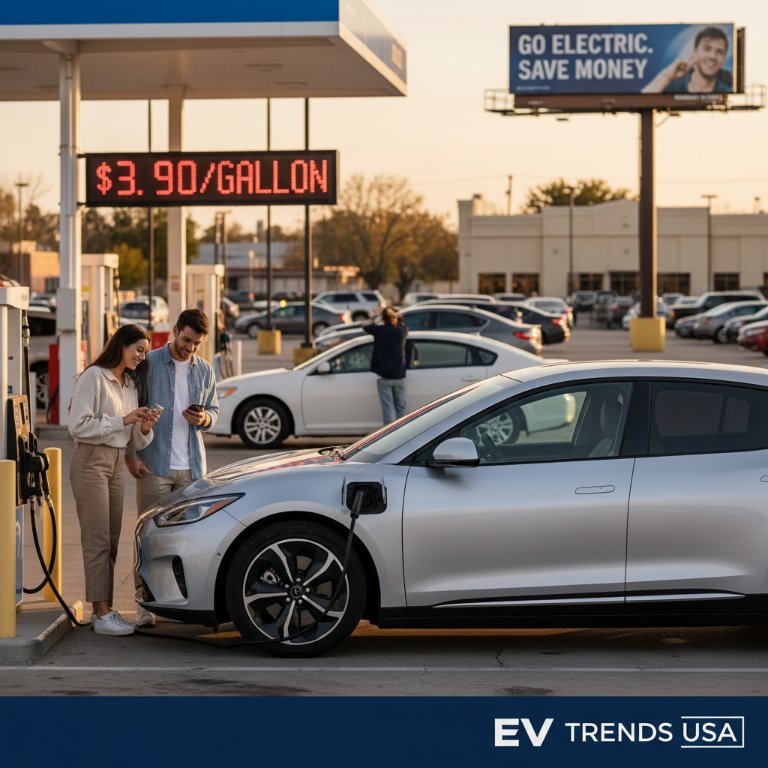
The automotive landscape is experiencing a dramatic shift as American car buyers, reeling from soaring gasoline prices, are exhibiting a significant and immediate surge in interest in electric vehicles. With the average national gas price now hitting a staggering $3.90 a gallon—its highest point in nearly three years—the financial pinch at the pump is undeniably steering consumers toward electrified alternatives.
This isn't merely a fleeting glance at cleaner cars; it's a measurable pivot in consumer behavior. According to automotive data firm CarEdge, searches for electric car models have skyrocketed by 20% since the onset of a new conflict in the Middle East three weeks ago, a geopolitical event that has sent global oil costs surging and directly impacted critical supply routes like the Strait of Hormuz. This rapid spike in engagement suggests a fundamental re-evaluation by buyers, who increasingly view EVs not just as an environmental statement, but as a compelling cost-effective solution to volatile energy markets.
The Sticker Shock That Sparks a Shift
For years, EV adoption has been a slow burn, gradually building momentum driven by environmental consciousness, technological advancements, and government incentives. However, the current economic reality presents a far more visceral catalyst: direct financial pain. The $3.90 per gallon national average, a level not seen in nearly three years, is a stark reminder of traditional vehicles' susceptibility to global instability.
- National Average Hits $3.90/Gallon: This three-year high is making every fill-up a painful experience for millions of Americans.
- Geopolitical Tensions Drive Costs: The Middle East conflict, specifically its impact on the Strait of Hormuz, directly disrupts oil supplies and sends crude prices spiraling upwards globally.
- Immediate Consumer Response: The most immediate and practical way for many consumers to mitigate this recurring expense is to explore vehicles that drastically reduce or eliminate gasoline consumption.
CarEdge Data Confirms the Electrifying Surge
The 20% surge in electric car model searches, as reported by CarEdge, is a powerful indicator of shifting intent. This isn't just casual browsing; a 20% increase in search volume often translates into a significant uplift in dealership visits, test drives, and ultimately, sales conversions. This data suggests that the current gas price shock is forcing a substantial portion of the car-buying public to genuinely consider EVs as a viable and immediate solution.
- 20% Spike in EV Model Searches: This quantitative jump provides concrete evidence that consumer curiosity is rapidly converting into serious consideration.
- Beyond Early Adopters: Such a broad increase indicates that the interest is extending beyond the typical early adopter demographic, reaching a more mainstream audience.
- EVs as Practical Alternatives: The data reinforces the narrative that EVs are no longer a niche product but are being viewed as a practical, financially sensible alternative to gasoline-powered cars.
Why This Matters:
This sudden, sharp increase in EV interest, directly tied to immediate economic pressures, represents a critical juncture for the automotive industry and consumers alike. It fundamentally strengthens the economic argument for electric vehicles, often overshadowing environmental considerations for many buyers.
Who Wins? Established EV players like Tesla, BYD, Hyundai, Kia, and the Volkswagen Group, which have robust production capabilities and diverse EV portfolios, stand to gain significantly. Automakers that have invested heavily in battery production and charging infrastructure will also capitalize on this accelerated demand. Charging network providers, sensing the growing user base, will likely see increased investment and expansion opportunities.
Who Loses? Traditional automakers that have been slow to transition or have hedged their bets on internal combustion engine (ICE) vehicles risk being left behind. Their pipeline of new ICE models could face significantly diminished demand. Furthermore, consumers without convenient access to charging infrastructure or affordable EV options may find themselves trapped by volatile gas prices.
What This Signals to the Market: This moment signals a potential tipping point. The purely economic driver of high fuel costs could be the accelerant that pushes EVs into the mainstream faster than previously projected. It's a clear message to all automakers: the future is electric, and market forces are now aligning with technological advancements to drive this transformation at an unprecedented pace. The imperative to innovate, scale production, and bring more affordable EVs to market has never been stronger.
The current surge in gasoline prices, fueled by global instability, is undeniably reshaping consumer priorities and accelerating the shift towards electric vehicles. This isn't just about environmentalism anymore; it's about economic resilience and practical transportation solutions. As consumers increasingly look to EVs for relief from the pump, the automotive industry must respond with greater urgency, innovation, and accessibility, cementing the electric vehicle's role as the indispensable car of the future.