Ford's F-150 Lightning Pivots to 700+ Mile EREV: A Pragmatic Power Play for the Electric Future
Ford's F-150 Lightning, a pioneer in the electric truck segment, is undergoing a profound transformation. After championing a pure battery-electric vi...
Editorial Team
World Of EV
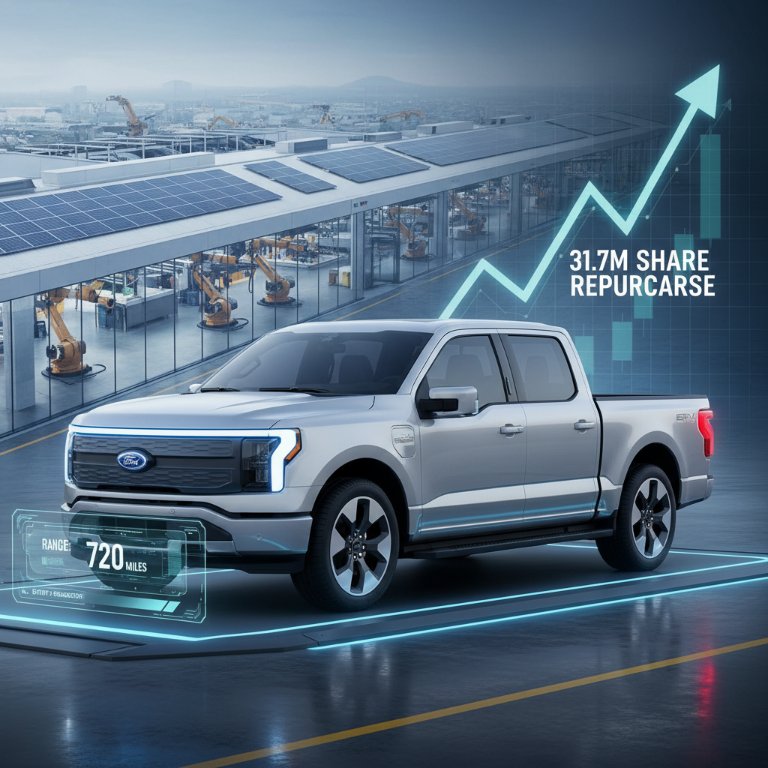
Ford's F-150 Lightning, a pioneer in the electric truck segment, is undergoing a profound transformation. After championing a pure battery-electric vision for its iconic pickup, Ford is now steering the Lightning towards an Extended Range Electric Vehicle (EREV) architecture. This strategic pivot, marking the conclusion of the all-electric F-150 Lightning production in 2025, aims to deliver a staggering range exceeding 700 miles, directly addressing a primary concern for many prospective EV truck buyers: range anxiety. This move signals a significant strategic re-evaluation within Ford, balancing its ambitious EV targets with market realities and consumer preferences for longer range and diverse powertrain options.
F-150 Lightning's EREV Evolution
Ford's new F-150 Lightning will integrate a sophisticated EREV architecture, combining advanced battery systems with an onboard generator. This innovative setup is designed to significantly boost the truck's operational range, promising an impressive figure exceeding 700 miles. For context, the current all-electric F-150 Lightning models offer an EPA-estimated range of up to 320 miles with the extended range battery. This move to EREV represents a departure from the previous generation's full battery-electric approach, which, while lauded for its instant torque and silent operation, often faced scrutiny over range limitations, particularly when towing heavy loads or operating in extreme temperatures. The onboard generator will effectively eliminate range anxiety, providing electricity to extend the battery's charge and power the electric drive system for continuous operation.
Strategic Repurchase: Bolstering Shareholder Value
Concurrently with this product strategy shift, Ford's Board of Directors has approved a plan to repurchase up to 31.7 million shares of its stock. This financial maneuver is primarily intended to counteract the dilution caused by employee stock-based compensation and maturing convertible notes. This share repurchase aligns with Ford's broader, more diversified strategy to balance its focus across electric vehicles, hybrids, and traditional gasoline-powered models. It reflects a company navigating a complex automotive landscape, seeking to optimize shareholder value while making significant, capital-intensive investments in future propulsion technologies. Managing dilution is a common corporate strategy, but its timing alongside a major product pivot underscores a careful balance between future investment and immediate financial health.
Why This Matters:
This strategic pivot for the F-150 Lightning is a watershed moment for Ford and the broader EV industry. For Ford, it represents a pragmatic recalibration of its EV strategy, particularly within its highly profitable truck segment. The initial all-electric F-150 Lightning, while a strong statement, likely faced profitability hurdles and slower-than-anticipated adoption rates among traditional truck buyers who prioritize range and ease of refueling over pure electrification. This EREV approach allows Ford to offer the benefits of electric propulsion – instant torque, quiet ride, and lower running costs – without the typical range anxieties associated with BEVs. It could be a crucial bridge technology, capturing customers who are 'EV-curious' but not yet ready for a full BEV commitment. This move also signals Ford's deepening commitment to a diversified portfolio, recognizing that the market for pure EVs, especially large trucks, may take longer to mature than initially projected.
For consumers, particularly those loyal to the F-Series, this is a significant win. The 700+ mile range effectively eliminates the primary barrier to EV truck adoption for many: the fear of being stranded or facing extensive charging times on long hauls or remote job sites. This could lure a substantial number of internal combustion engine (ICE) truck owners who have been hesitant about the pure EV proposition. The market could see EREVs gain considerable traction as a viable, practical alternative, challenging the 'BEV-only' narrative that has dominated the industry. Competitors like Rivian and Tesla's Cybertruck, currently pure BEVs, might feel indirect pressure to address extended range solutions, or risk losing a segment of buyers to Ford's more flexible approach. This is not a retreat from electrification but a sophisticated adaptation to market demand and technological readiness.
Ford's decision to shift the F-150 Lightning to an EREV platform, alongside a strategic share repurchase, underscores a pragmatic and diversified approach to the future of mobility. It signals a careful balancing act between aggressive electrification goals, the realities of market adoption, and a commitment to shareholder value. This move positions Ford to capture a broader segment of the truck market by offering a compelling electric experience without compromising on the range and utility truck buyers demand, potentially solidifying the F-150 Lightning's role as a leader in the evolving pickup landscape.