Ford's Bold EV Gambit: Transit City Targets Urban Fleets, Electric Capri Reimagines an Icon
Ford is making a decisive move in the electric vehicle landscape, announcing a significant expansion of its EV offerings with the introduction of the ...
Editorial Team
World Of EV
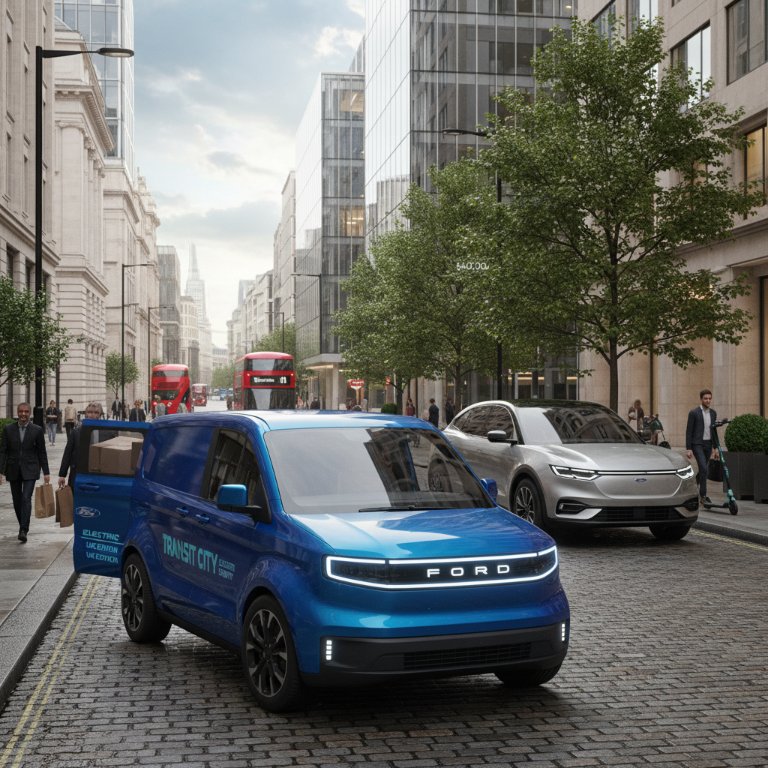
Ford is making a decisive move in the electric vehicle landscape, announcing a significant expansion of its EV offerings with the introduction of the Transit City, an all-electric urban delivery van, and the audacious return of the Capri nameplate as a fully electric SUV. These launches signal a renewed commitment from the Blue Oval to purpose-built electric solutions, moving beyond adapted internal combustion engine (ICE) platforms that have characterized some of its earlier EV efforts. After navigating the complexities of scaling EV production and refining its strategy, these new models underscore Ford's aggressive push to capture market share in both the rapidly electrifying commercial sector and the competitive consumer SUV segment.
Transit City: A Dedicated Urban Workhorse
Ford’s new Transit City is poised to redefine urban logistics. Designed exclusively as an electric-only van, it targets the critical last-mile delivery segment, an area ripe for EV adoption due to stringent city emissions regulations and the compelling total cost of ownership benefits of electric powertrains. The Transit City will initially launch in the UK, with deliveries expected to commence by the end of this year, a strategic entry into one of Europe's most mature EV markets.
Key details for the Transit City include:
- Purpose-Built Design: Developed from the ground up as an EV for optimal packaging and efficiency in urban environments.
- Dedicated EV Platform: Utilizes a specialized electric vehicle platform sourced from Ford's joint-venture partner, Jiangling Motors Corporation (JMC). This contrasts sharply with many existing electric vans that began life as ICE vehicles, promising superior performance, range, and cargo capacity.
- Target Market: Primarily aimed at businesses and fleet operators seeking efficient, low-emission solutions for urban deliveries and services.
Capri Returns Electrified: A Modern SUV Rebirth
Perhaps the more emotionally resonant announcement is the comeback of the iconic Ford Capri. Reimagined for the 21st century, the 2026 Ford Capri will return as a fully electric SUV. This move echoes a broader industry trend of reviving classic names on modern, often SUV-shaped, electric platforms. The original Capri was a beloved, affordable sports coupe that brought aspiration to the masses; its transformation into an electric SUV reflects the contemporary automotive landscape's demands for versatility, space, and electrification.
Initial details for the electric Capri include:
- 2026 Model Year Launch: Positions the vehicle for a future market where EV adoption is expected to be even more widespread.
- Estimated Starting Price: Anticipated to begin around $40,000 in the U.S., a highly competitive price point that places it squarely against popular electric SUVs like the Tesla Model Y Rear-Wheel Drive, Hyundai IONIQ 5, and Chevrolet Equinox EV.
- Modern Reinterpretation: Blends heritage styling cues with contemporary EV design language and functionality, aiming to attract a new generation of buyers.
Why This Matters:
These announcements are more than just new model introductions; they signal a critical maturation in Ford's EV strategy. By leveraging a dedicated EV platform from JMC for the Transit City, Ford is addressing one of its key challenges: scaling cost-effective, purpose-built electric vehicles. This partnership allows Ford to accelerate its commercial EV rollout, an area where profitability can be realized more quickly than in the consumer segment. For urban fleet operators, the Transit City promises lower operating costs and reduced environmental impact, making it a compelling proposition in a market increasingly driven by efficiency and sustainability mandates.
The electric Capri's revival as an SUV at an estimated $40,000 starting price is a calculated risk and an astute market play. It capitalizes on the emotional connection of a revered nameplate while adapting it to the dominant SUV body style and a crucial mass-market price point. This positions Ford to attract a wider demographic of EV buyers, especially those looking for a stylish, practical, and accessible electric SUV. The success of the Capri will be a litmus test for Ford's ability to blend heritage with future-forward design and technology, directly challenging established and emerging competitors in the bustling mid-range EV SUV segment.
In essence, Ford is doubling down on a two-pronged attack: practical, purpose-built commercial EVs to drive immediate revenue and market share, and emotionally charged, competitively priced consumer EVs to build brand loyalty and accelerate mainstream adoption. This strategic pivot towards dedicated platforms and leveraging global partnerships suggests a more focused and potentially more successful chapter in Ford's electric future.
Ford's latest EV offensive, featuring the utilitarian Transit City and the resurrected electric Capri, marks a pivotal moment in the company's ambitious electrification journey. These vehicles, built on dedicated EV architectures and strategically priced, aim to solidify Ford's position across diverse market segments. As deliveries approach, the industry will be watching closely to see how these critical additions impact Ford’s profitability and long-term standing in the increasingly competitive global EV arena.