Exclusive: UK EV Drivers Overpaying as One-Third of Public Chargers Deliver Inaccurate Readings
A bombshell report from independent inspection specialist EVCI Global has unveiled a startling truth for UK electric vehicle owners: nearly a third of...
Editorial Team
World Of EV
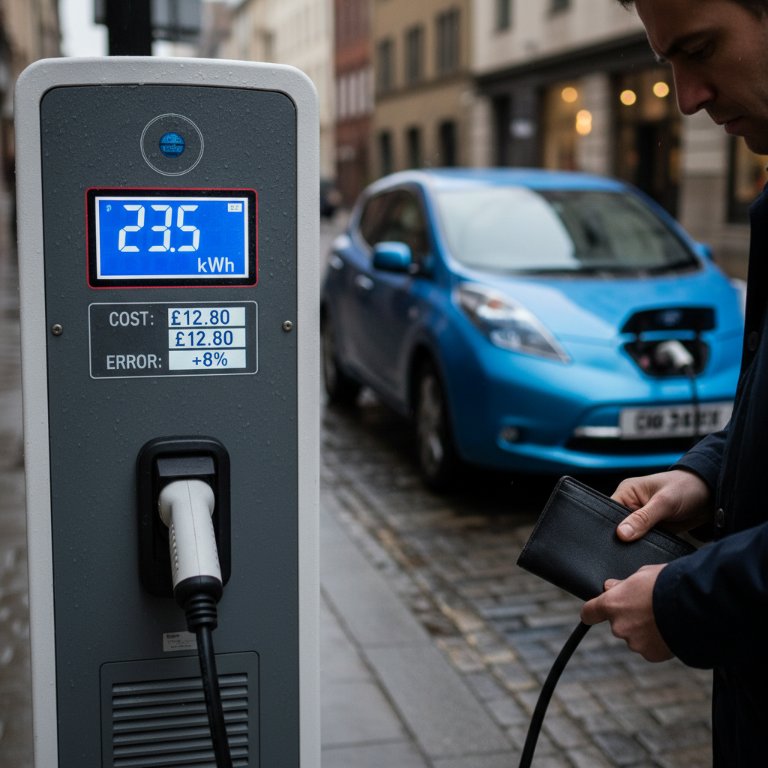
A bombshell report from independent inspection specialist EVCI Global has unveiled a startling truth for UK electric vehicle owners: nearly a third of public chargers are delivering inaccurate energy readings, potentially causing drivers to overpay for their recharges. This isn't merely a minor inconvenience; it strikes at the heart of consumer trust and the financial viability of EV ownership, threatening to undermine confidence in the nation's rapidly expanding charging infrastructure. The revelation comes at a critical juncture for the UK's EV transition, where reliable and transparent charging is paramount.
The Troubling Findings
EVCI Global's comprehensive analysis, which rigorously tested hundreds of public charging points across the UK, concluded that a staggering 31.5% of chargers failed to provide precise energy measurements. These discrepancies were not isolated incidents; in many cases, the inaccuracies surpassed the already generous allowable margin of +2% set for EV charging equipment. This figure starkly contrasts with the much tighter regulatory framework governing traditional petrol and diesel pumps, which operate under a stringent -0.5% to +1% tolerance, highlighting a significant disparity in consumer protection.
A Regulatory Blind Spot
The current regulatory landscape for EV charging in the UK appears significantly more lenient than its fossil fuel counterpart. The +2% allowable margin for EV chargers means drivers could reasonably be paying 2% more than the energy they receive without any breach of current standards. However, EVCI Global's findings indicate that a substantial portion of chargers are exceeding even this relaxed threshold, effectively overcharging drivers by an even greater, unmeasured amount. This regulatory leniency, coupled with widespread inaccuracies, presents a clear financial detriment to EV owners, who often rely on public infrastructure for essential top-ups and long-distance travel.
Impact on Driver Confidence
For the savvy EV enthusiast and prospective buyer, these findings introduce a troubling layer of uncertainty into the charging experience. Imagine pulling up to a petrol station only to question the accuracy of the pump – that's the reality many EV drivers now face. This erosion of trust is particularly damaging as the industry strives to convince internal combustion engine (ICE) drivers to make the switch. The financial burden of potential overcharging, even if seemingly small per session, accumulates over time and can significantly impact the perceived running costs of an electric vehicle, directly contradicting a primary selling point of EVs.
Why This Matters:
- Erosion of Consumer Trust: The primary casualty here is consumer confidence. If drivers cannot trust the accuracy of the energy dispensed, the very foundation of public charging – convenience and fairness – crumbles. This directly impedes EV adoption, as prospective buyers will weigh this uncertainty against the established, albeit environmentally damaging, familiarity of petrol stations.
- Financial Burden and Perceived Fairness: While a 2% overcharge might seem minor, it adds up quickly, especially for high-mileage drivers or those heavily reliant on public charging. In an era where cost of living is a major concern, this hidden surcharge is unacceptable and unfairly inflates the perceived running costs of an EV, directly contradicting a primary selling point.
- Regulatory Urgency and Industry Reputation: This situation unequivocally signals a critical regulatory gap. The disparity between fuel pump and EV charger accuracy standards is no longer tenable. Who loses? EV drivers (financially and trust), charge point operators (reputational damage), and the government's EV targets (jeopardized). The short-term 'winners' might be those CPOs currently overcharging, but this short-sighted gain will erode long-term trust and market growth. This is a clear call for rapid, robust regulatory intervention.
- Market Maturity Indicator: This issue highlights the relative immaturity of the EV charging market compared to traditional fuel sales. It underscores the urgent need for standardized, rigorous testing and enforcement mechanisms to bring the sector into full compliance and transparency. Failure to address this swiftly could cast a long shadow over the UK's ambitions to lead in EV adoption, making this a pivotal moment for the integrity of its public charging network.
The findings from EVCI Global demand immediate and decisive action. The UK government, along with charge point operators, must prioritize the implementation of stringent accuracy standards and robust enforcement mechanisms that bring EV charging into line with, or even exceed, the protections afforded to traditional fuel consumers. Anything less risks alienating the very drivers essential to a successful transition to electric mobility and undermines the entire 'green' promise of the EV revolution.