EVs Solidify Cost Advantage: Smart Charging Beats Petrol by a Mile, Bolstering Consumer Confidence
For too long, the narrative around electric vehicles has been dominated by upfront purchase prices and range anxiety. However, a crucial analysis from...
Editorial Team
World Of EV
For too long, the narrative around electric vehicles has been dominated by upfront purchase prices and range anxiety. However, a crucial analysis from char.gy is decisively shifting the focus, unequivocally confirming what many EV owners already know: electric running costs are consistently outperforming petrol, a development paramount to sustaining – and indeed, accelerating – consumer confidence in the transition away from fossil fuels. This isn't just about saving a few quid; it's about cementing electricity as the economically superior fuel for personal transport.
The report underscores a critical tipping point in the electric revolution, proving that the economic argument for EVs is now stronger than ever, particularly when drivers leverage smart charging solutions and off-peak energy tariffs. This analysis arrives at a time when household budgets are under increasing pressure, making the sustained affordability of transport a non-negotiable factor for prospective buyers.
The Numbers Don't Lie: A Clear Economic Victory
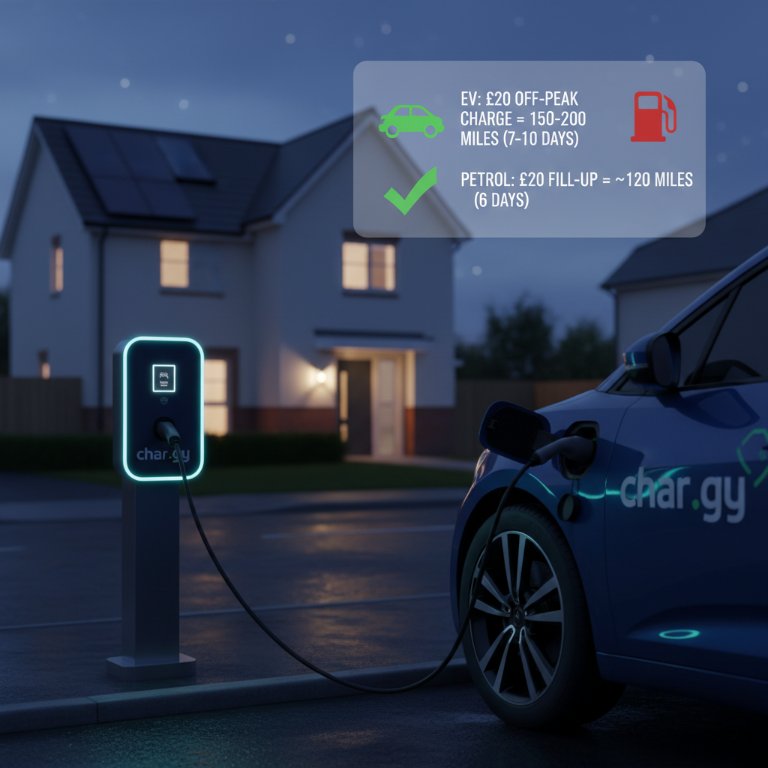
The char.gy analysis provides compelling, real-world data that silences skeptics. Spending just £20 on electricity, specifically utilizing char.gy’s overnight tariff, can power an electric vehicle for an impressive 150-200 miles. Compare this to the paltry approximately 120 miles a typical petrol car would squeeze from the same £20. The disparity is stark and undeniable.
For the average UK driver, this translates into substantial daily savings and extended driving time:
- EV: A single £20 overnight charge can fuel an EV for 7-10 days of average driving.
- Petrol Car: The same £20 in petrol would last roughly six days.
This immediate, tangible benefit directly addresses the silent question of every potential EV buyer: "Will this actually save me money?" The answer, backed by hard data, is a resounding yes.
Unlocking the Savings: The Power of Off-Peak Tariffs
Crucially, the report doesn't just highlight the savings; it pinpoints the mechanism behind them: affordable charging, spearheaded by the widespread adoption of off-peak tariffs. This isn't merely a convenience; it's the single biggest incentive for drivers to make the switch.
Just as early smartphone users learned to seek out Wi-Fi, savvy EV drivers are mastering the art of energy arbitrage, charging their vehicles when electricity demand (and thus cost) is lowest. Companies like char.gy, with their focus on accessible public and residential charging, are vital enablers of this strategy, turning what might seem like a complex energy market into a straightforward economic advantage for the everyday driver. Without these accessible, affordable charging points and the tariffs they support, the economic argument, while still present, would be significantly diminished.
Why This Matters:
This char.gy analysis isn't just another report; it’s a strategic beacon for the entire EV ecosystem. It redefines the core value proposition of electric vehicles, moving beyond environmental benefits to undeniable financial superiority.
- Bolstering Consumer Confidence: In a market still grappling with the perception of high initial investment, consistent, documented running cost savings are the most powerful antidote to buyer hesitation. This data directly impacts the affordability argument, which is critical for mass market adoption. Consumers win by saving money daily.
- Shifting Industry Focus: For charging infrastructure providers, energy companies, and even policymakers, this underscores the absolute necessity of promoting and expanding access to affordable, off-peak charging solutions. It signals that investment should prioritize smart charging networks that can effectively manage grid demand while delivering cost benefits to users. Innovation in smart tariffs and public charging solutions is now more critical than ever.
- Grid Stability and Energy Security: Widespread off-peak charging doesn't just benefit the driver; it's a boon for national grids. By encouraging charging during periods of lower demand, it helps balance the load, reduces strain on infrastructure, and can even facilitate greater integration of renewable energy sources, which often generate power most abundantly during off-peak times. This is a win for energy security and sustainability.
- Long-Term Market Signal: This definitively cements electricity as the more economical fuel for personal transport. As petrol prices remain volatile and subject to geopolitical whims, the relatively stable and controllable cost of electricity (especially when managed intelligently) offers a significant long-term advantage for consumers and a clear direction for automotive and energy industries alike. Traditional ICE manufacturers face an even steeper challenge as their primary competitive edge, readily available and relatively cheap fuel, is being eroded.
This comprehensive analysis from char.gy provides irrefutable evidence that the operational costs of electric vehicles decisively outperform their petrol counterparts, especially when drivers utilize off-peak charging. This crucial economic advantage is not just a perk; it's the bedrock upon which sustained EV adoption will be built, fundamentally altering consumer perceptions and guiding future infrastructure development towards a more affordable and sustainable transportation future.