EVs Powering Homes: The V2H Revolution Faces a Costly Reality Check
The dream of electric vehicles seamlessly powering our homes during outages or leveraging smart grid capabilities is rapidly transitioning from concep...
Editorial Team
World Of EV
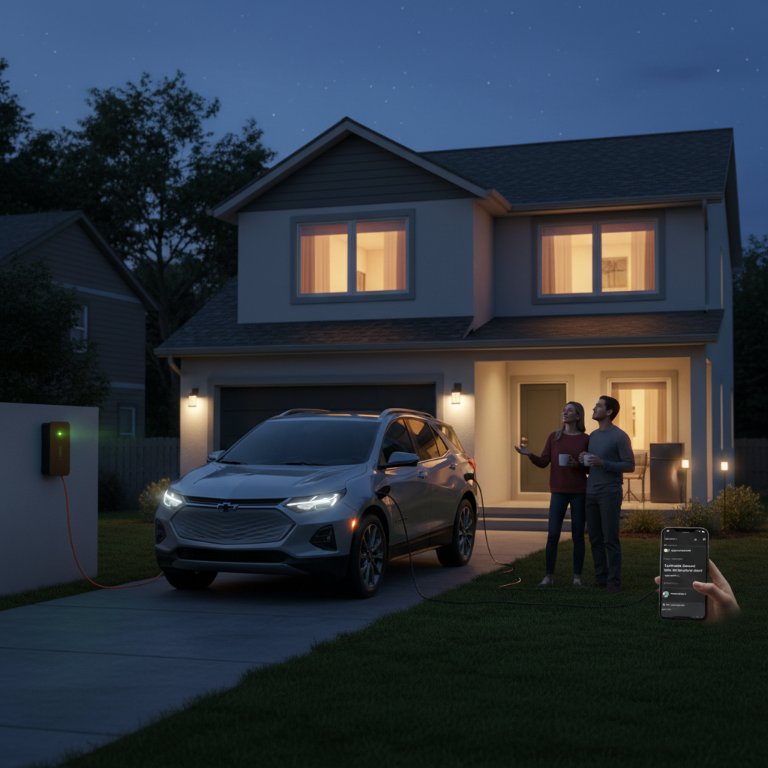
The dream of electric vehicles seamlessly powering our homes during outages or leveraging smart grid capabilities is rapidly transitioning from concept to reality. Yet, as real-world users embrace Vehicle-to-Home (V2H) and Vehicle-to-Load (V2L) technologies, a crucial debate emerges: is the cutting-edge convenience of full V2H integration truly 'worth the squeeze' for the average EV owner?
This isn't just about a new feature; it's about fundamentally redefining an EV's role, elevating it beyond mere transportation into a pivotal component of a resilient home energy ecosystem. While automakers like Ford, Hyundai, Kia, and now GM push the envelope with bi-directional charging, a recent Reddit discussion among EV owners has offered a candid, invaluable look into the practicalities, benefits, and significant financial hurdles facing this transformative technology.
The Bi-Directional Promise: From Wheels to Watts
At its core, bi-directional charging allows an EV battery to not just accept power from the grid but also to discharge it, either back to the grid (Vehicle-to-Grid, V2G), to another device (V2L), or directly to a home (V2H). This technology holds immense promise for energy independence and grid stability. V2L, often seen in the form of a simple power outlet in the vehicle, enables users to run essential appliances like refrigerators, lights, or power tools directly from their car's battery via an extension cord. V2H, on the other hand, is a more sophisticated integration, allowing the entire home to draw power from the EV, often managed by a dedicated home energy management system and a bi-directional inverter.
Chevrolet Equinox EV Leads GM's Charge, But Installation Costs Loom Large
General Motors, a relative newcomer to the mainstream V2H space compared to early adopters like Ford's F-150 Lightning, is clearly making strides. A user in the aforementioned Reddit thread reported a positive experience utilizing their Chevrolet Equinox EV with GM's integrated V2H system to successfully power their home during a blackout. This real-world validation underscores GM's commitment to offering robust home energy solutions, positioning the Equinox EV as a versatile player in the burgeoning bi-directional charging market.
However, the same user highlighted the significant elephant in the room: the high installation cost associated with a full V2H setup. This sentiment resonated with many others in the discussion, who debated the practical and financial viability of such systems, especially for those who don't experience frequent or prolonged power outages. The complexity involves not just the vehicle's capability, but also:
- A specialized bi-directional home inverter.
- Rewiring of the home's electrical panel.
- Compliance with local electrical codes and permitting.
- Potentially a separate transfer switch for grid isolation.
V2L: A Practical Bridge for Immediate Needs
Recognizing the substantial investment required for V2H, many EV owners, as evidenced by the Reddit discussion, are opting for simpler, more accessible V2L solutions for their immediate blackout needs. Instead of expensive whole-home integration, these users are employing heavy-duty extension cords to power critical appliances directly from their EV's onboard outlets.
This approach, while less comprehensive than V2H, offers several compelling advantages:
- Lower Upfront Cost: No specialized home hardware or complex electrical work is required beyond the vehicle itself.
- Ease of Use: Plug-and-play simplicity for essential devices.
- Targeted Power: Ideal for powering a refrigerator, a few lights, or charging mobile devices during shorter outages.
- Immediate Availability: Many EVs come with V2L capabilities built-in, ready to use from day one.
Why This Matters:
The real-world experiences shared by EV owners underscore a critical turning point for the automotive and energy industries. For the savvy EV enthusiast and prospective buyer, this isn't just about choosing a car; it's about selecting a mobile energy solution that aligns with their specific needs and budget.
Winners:
- Consumers in Unstable Grids: For those frequently affected by power outages, V2H offers unparalleled resilience and peace of mind, transforming an expensive asset into a critical emergency power source.
- Energy Arbitrage Enthusiasts: Homeowners with time-of-use electricity rates can potentially save money by charging their EV during off-peak hours and discharging to power their home during expensive peak times.
- OEMs with Integrated Solutions: Automakers like Ford (with the F-150 Lightning and Home Integration System), Hyundai/Kia (with their E-GMP platform's V2L), and now GM (with the Equinox EV's V2H) are carving out a significant competitive advantage by offering compelling, factory-supported bi-directional capabilities. They are setting a new standard for vehicle utility.
Losers:
- Traditional Generator Manufacturers: As EVs increasingly fulfill emergency power needs, the market for conventional home generators could face disruption.
- Automakers Without Bi-Directional Charging: Companies that delay adopting V2H/V2L risk falling behind in a crucial value proposition, particularly as consumers demand more from their EVs. Tesla, for instance, despite its prowess in battery tech and home energy storage (Powerwall), has been notably slow to integrate V2H directly into its vehicles, creating a missed opportunity for its owners to leverage their large battery packs directly.
This trend signals a broader market shift towards distributed energy resources. As EV adoption accelerates, their collective battery capacity represents a massive, untapped reservoir of power that can support grid stability and enhance individual energy independence. The challenge, as highlighted by the 'worth the squeeze' debate, is making these advanced systems more affordable and accessible to the mainstream.
The integration of V2H and V2L into the EV ecosystem marks a profound evolution, transforming electric cars into dynamic power hubs. While the financial hurdle for full V2H integration remains substantial for many, the growing availability of V2L offers a pragmatic and immediate solution for emergency power. The path forward demands continued innovation from automakers and energy providers to drive down installation costs and simplify adoption, ultimately empowering more EV owners to unlock the full energy potential of their vehicles and contribute to a more resilient, sustainable future.