EVs Cement Their Driving Supremacy: Kia EV6 GT, F-150 Lightning, and Volvo EX30 Lead the Charge
The narrative surrounding electric vehicles has undeniably shifted. No longer are EVs merely about environmental impact or fuel savings; they are now ...
Editorial Team
World Of EV
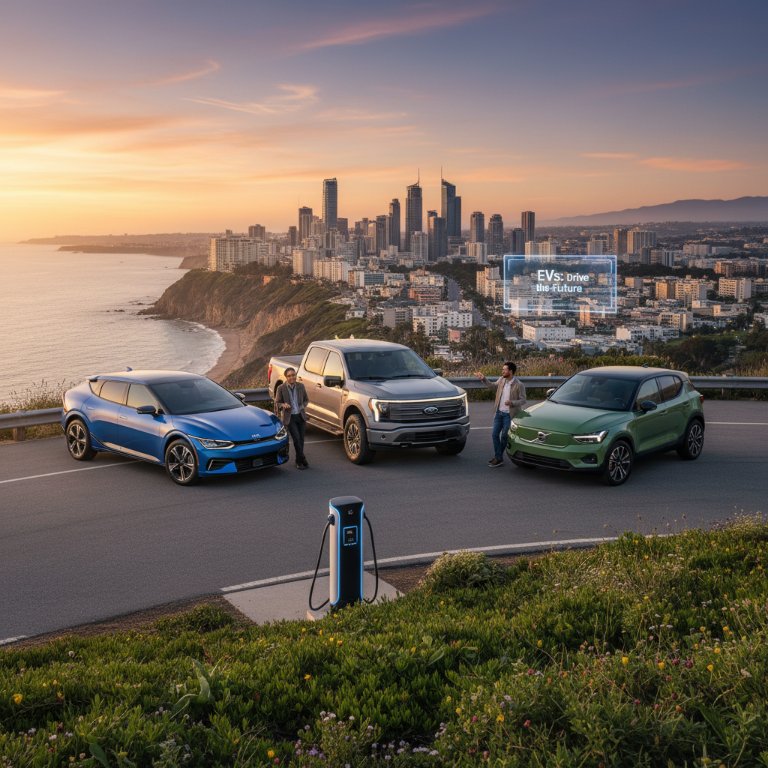
The narrative surrounding electric vehicles has undeniably shifted. No longer are EVs merely about environmental impact or fuel savings; they are now unequivocally delivering a superior, more enjoyable driving experience compared to their internal combustion engine (ICE) counterparts. Recent reviews of the 2025 Kia EV6 GT, Ford F-150 Lightning, and Volvo EX30 underscore this critical evolution, signaling a maturing market focused on driver engagement and practical excellence.
For years, skeptics pointed to perceived emotional disconnects in EVs. However, as battery technology advances and manufacturers hone their platforms, the inherent advantages of instant torque, low center of gravity, and refined powertrains are becoming undeniable. These latest models showcase a strategic move by automakers to not just electrify, but to genuinely elevate the driving proposition.
Kia EV6 GT: Performance Redefined with a Twist
Kia has consistently punched above its weight in the EV arena, notably with the critically acclaimed EV6 and the innovative EV9. The 2025 EV6 GT takes this commitment to performance and design to exhilarating new heights. This halo performance model is lauded for:
- Striking Design: A bold, futuristic aesthetic that grabs attention and reinforces its high-performance credentials.
- Larger Battery Options: Addressing range anxiety head-on, offering greater flexibility and practicality for enthusiasts.
- Powerful Performance: Delivering the blistering acceleration and dynamic handling expected of a true GT car.
- 'Virtual Gear Shift' Feature: This is perhaps the most intriguing innovation. Recognizing that some enthusiasts miss the tactile and auditory feedback of traditional gear changes, Kia has engineered a system to simulate shifts, enhancing driver immersion and bridging the psychological gap for those transitioning from high-performance ICE vehicles. This move acknowledges a subtle but significant psychological barrier for some traditional performance car buyers.
Ford F-150 Lightning: The Electric Workhorse Proves Its Mettle
The F-Series has long been the backbone of American transportation and commerce. Electrifying the F-150 was an audacious gamble, one that Ford is increasingly proving to have paid off. The 2025 Ford F-150 Lightning doesn't just exist as an EV; it thrives as a bona fide truck, silencing critics who doubted electric powertrains could handle the rigors of a working vehicle. Key highlights include:
- Unquestionable Truck Competence: It handles demanding tasks with ease, reinforcing its utility and reliability.
- Excellent Handling: Despite its size, the Lightning offers surprising agility and a composed ride.
- Comfortable Interior: Providing a refined and ergonomic cabin experience, crucial for long hauls and daily commutes.
- Impressive MPG Equivalent Ratings: Demonstrating remarkable efficiency for a vehicle of its size and capability, directly impacting running costs and appealing to budget-conscious fleet operators and individual owners alike.
Volvo EX30: Distinctive Character in a Compact Package
Volvo’s steadfast commitment to an all-electric future is clear, and the 2025 Volvo EX30 represents a strategic expansion into the crucial compact EV segment. While specific details on its enhancements are emerging, its mention for 'distinctive character' is telling. As Volvo's most affordable and smallest EV, the EX30 is designed to attract a new generation of buyers, potentially younger and more urban-focused, who prioritize unique design, sustainability, and urban maneuverability. Its success is vital for Volvo to achieve its ambitious electrification targets and to compete effectively against a growing wave of compact electric crossovers.
Why This Matters:
This confluence of positive reviews signifies more than just individual model successes; it represents a critical inflection point for the entire EV industry. The message is clear: the driving experience is now a primary selling point, not merely a byproduct of efficiency. The 'Virtual Gear Shift' in the Kia EV6 GT is a potent signal to the market, indicating that manufacturers are actively innovating to address psychological barriers and enhance driver connection, going beyond raw performance metrics. This could be a game-changer for attracting traditional performance car enthusiasts who felt EVs lacked a certain 'soul.'
Ford's sustained success with the F-150 Lightning is equally pivotal. It validates the electric truck concept, a segment crucial for widespread EV adoption, especially in North America. This reduces perceived risk for other manufacturers considering large-scale EV truck production and accelerates the inevitable shift away from ICE pickups. Who wins? Drivers, who gain access to a wider array of engaging and practical EVs. Manufacturers like Kia and Ford, who are proving their engineering prowess and foresight. Traditional ICE performance vehicles and less competent EV alternatives stand to lose, as the bar for performance, engagement, and utility continues to rise. This moment signals that the industry is moving beyond rudimentary electrification, focusing on sophisticated integration and truly superior product offerings, pushing the market towards greater maturity and innovation.
The Road Ahead: Driving Enjoyment as the New Standard
The latest models from Kia, Ford, and Volvo are not just new vehicles; they are proof points that electric vehicles have unequivocally arrived as the superior driving choice. As technology progresses and manufacturers continue to refine their offerings, we can expect an even greater emphasis on driver engagement, bespoke features, and segment-specific excellence. The future of driving is electric, and it promises to be more thrilling and rewarding than ever before.