Evolution, Not Revolution: The 2026 Model Y's Smooth Drive Meets Its Digital Frustrations
Tesla's Model Y has consistently dominated the EV market, establishing itself as a benchmark for electric SUVs. The 2026 iteration, as reviewed by And...
Editorial Team
World Of EV
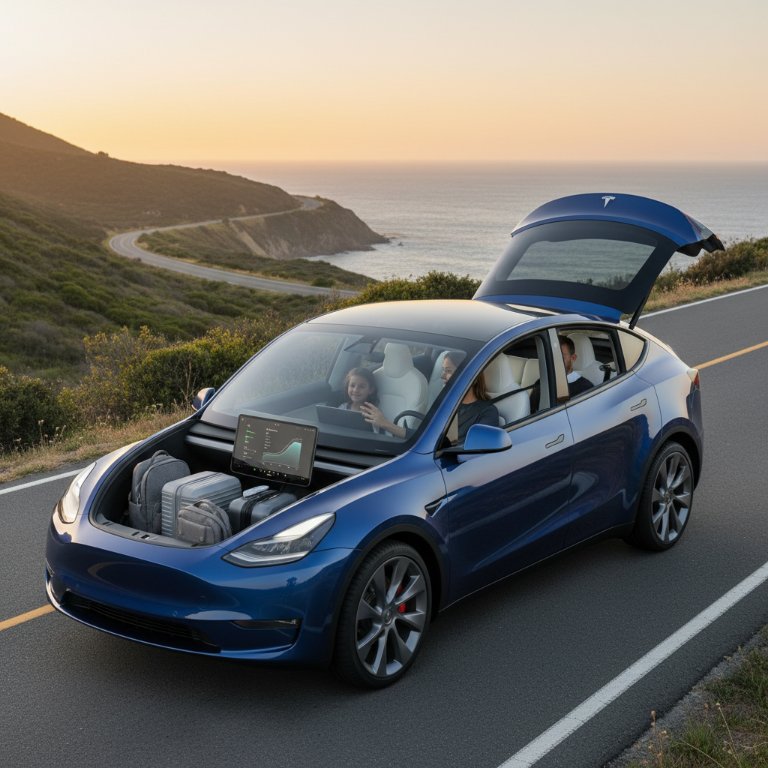
Tesla's Model Y has consistently dominated the EV market, establishing itself as a benchmark for electric SUVs. The 2026 iteration, as reviewed by Andrea Matthews, reinforces this position by delivering a refined driving experience and undeniable practicality, yet it also highlights Tesla’s continued struggle with fully integrating its digital-first philosophy and perfecting its ambitious Full Self-Driving (Supervised) system. While many aspects of the Model Y remain best-in-class, the review underscores a persistent tension between Tesla's visionary approach and the pragmatic demands of everyday usability.
Seamless Efficiency Meets Interior Serenity
For 2026, the Model Y's 'Standard' driving mode garnered praise for its smooth and composed ride, a critical factor for daily commuting and long-distance travel. Tesla’s commitment to a streamlined user interface shines through its infotainment system, described as seamlessly fast and exceptionally responsive. This intuitive digital hub provides clear, accessible information regarding the vehicle’s impressive energy efficiency, empowering owners with crucial data at a glance.
Beyond the drive, the Model Y continues to impress with its interior packaging. The cabin offers a spacious and airy environment, significantly enhanced by a large glass sunroof that bathes the interior in natural light. Rear passengers benefit from generous headroom and legroom, coupled with dedicated temperature controls, ensuring comfort on par with premium competitors. For families and adventurers alike, the Model Y's practicality remains a standout feature, boasting best-in-class boot space and a large frunk, providing ample storage for luggage and gear that few rivals can match.
The Double-Edged Sword of Digital Controls
Despite the Model Y's many advancements, Tesla's unwavering commitment to minimalist, screen-centric controls continues to present usability challenges. The review specifically calls out the unintuitive screen-swipe shifter, a departure from traditional stalks that can require a steep learning curve and divert driver attention. Similarly, the screen-based windscreen washer controls were noted as less effective and convenient compared to the physical buttons found in most other vehicles. These design choices, while aesthetically clean, introduce friction into routine operations, forcing drivers to navigate menus for functions traditionally handled by tactile switches.
FSD (Supervised): Progress, But Perilous Potholes Remain
Perhaps the most significant area of ongoing scrutiny for any Tesla is its Full Self-Driving (Supervised) system. While Tesla has continuously iterated on its autonomous driving suite, the 2026 Model Y review indicates that the system still demands vigilant driver intervention. Instances of FSD occasionally failing to make turns and prioritizing its own passage over the flow of traffic were reported. This highlights the inherent complexities of achieving true autonomy and reinforces the 'Supervised' moniker – a crucial reminder that the driver remains ultimately responsible and must be prepared to take control at a moment’s notice. For all its promise, FSD remains a work in progress, not a perfected solution.
Why This Matters:
The 2026 Tesla Model Y review offers crucial insights for EV enthusiasts and prospective buyers, signaling Tesla’s continued focus on refining its core product while grappling with the implications of its radical design philosophy. Who wins? Current Model Y owners and families seeking an exceptionally practical, efficient, and comfortable EV will find much to appreciate in the incremental refinements. Tesla reinforces its position as a leader in electric powertrain efficiency and clever interior packaging. Who loses? Buyers prioritize traditional, physical controls for common functions, or those expecting a truly 'hands-off' autonomous driving experience will likely remain frustrated. The persistent FSD quirks could erode confidence among those on the fence about Tesla's advanced driver-assistance systems. This signals that Tesla is prioritizing internal design consistency over universal user preference, and that its journey to full autonomy, despite considerable investment, is still some distance from its ambitious vision. For competitors, the Model Y's sustained excellence in efficiency and space continues to set a high bar, pushing them to innovate further while also offering a cautionary tale regarding the potential pitfalls of over-reliance on digital controls.
The 2026 Model Y underscores Tesla's enduring strengths in EV powertrain technology and interior space, presenting a highly compelling package for a broad audience. Yet, the persistent criticisms regarding its user interface and the continued supervision required for its FSD system serve as a crucial reminder that even market leaders face significant hurdles. As Tesla moves forward, balancing groundbreaking innovation with intuitive, reliable user experience will be paramount to maintaining its edge in an increasingly competitive EV landscape.