EV Service Centers Chart a New Course: Less Grease, More Gigabytes, and a Smarter Ownership Experience
The transition to electric vehicles (EVs) isn't just about ditching fossil fuels; it’s fundamentally reshaping every aspect of vehicle ownership, incl...
Editorial Team
World Of EV
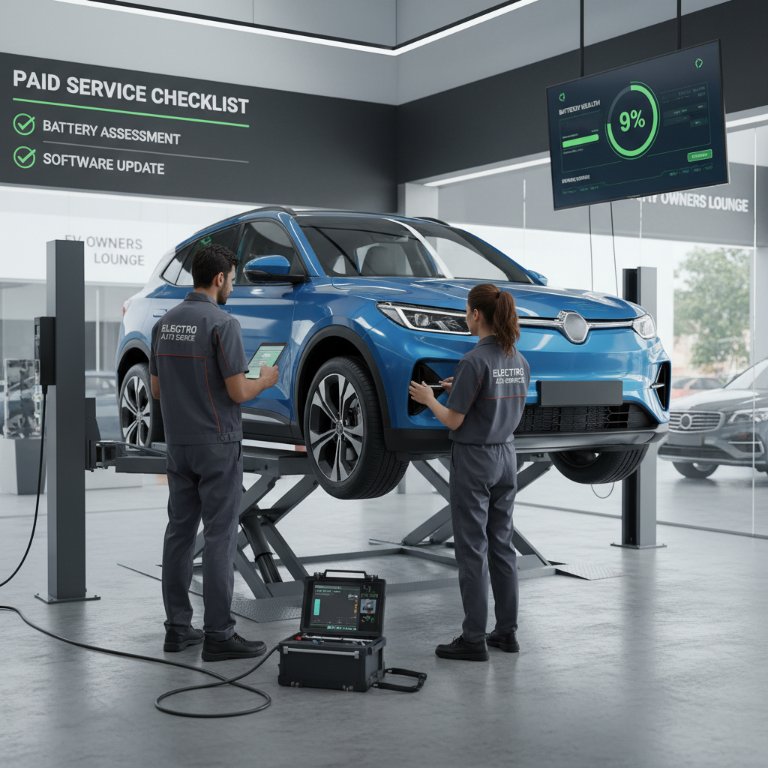
The transition to electric vehicles (EVs) isn't just about ditching fossil fuels; it’s fundamentally reshaping every aspect of vehicle ownership, including the often-dreaded trip to the service center. For decades, routine car maintenance has been synonymous with oil changes, filter replacements, and complex engine diagnostics. Now, as the EV revolution accelerates, authorized service centers are signaling a paradigm shift, promising a streamlined, more technologically focused maintenance regimen that directly benefits the first-time EV owner.
The Era of Simplified Service Arrives
Forget the traditional notion of a ‘tune-up’ for your internal combustion engine (ICE) vehicle. The foundational differences between electric and gasoline powertrains dictate a vastly different approach to upkeep. For EV owners, the days of regular engine oil, oil filter, and engine air filter replacements are officially over. This isn't merely a minor change; it's a significant reduction in the consumables and labor associated with conventional vehicle maintenance, directly translating into potential savings and less downtime for owners.
While the internal combustion engine is a marvel of mechanical complexity, demanding consistent lubrication and filtration to function, an electric powertrain boasts far fewer moving parts. This inherent simplicity is the silent hero behind the evolving service model. It means less wear and tear on components that would typically require frequent attention in a gasoline or diesel car, reducing both the frequency and complexity of routine appointments.
Key Focus Areas: Health, Safety, and Software
Instead of the traditional fluid and filter swaps, modern EV service centers are redirecting their expertise to areas critical for electric propulsion and digital integration. During a paid service, EV owners can expect a meticulous focus on:
- Battery Health Assessment: The heart of any EV, the battery pack, undergoes thorough diagnostic checks to ensure optimal performance, longevity, and safety. This involves evaluating charging cycles, temperature management, and overall capacity retention. A healthy battery means a happy, long-range EV.
- Brake Checks: While regenerative braking significantly reduces wear on physical brake components compared to ICE vehicles, regular inspections remain crucial for safety. Technicians will assess brake pad wear, rotor condition, and fluid levels, ensuring peak stopping performance.
- Software Updates: Unlike mechanical fixes, many EV 'enhancements' or 'repairs' come via over-the-air (OTA) software updates. Service appointments often include applying the latest firmware, which can improve efficiency, unlock new features, enhance infotainment systems, and refine driver-assistance technologies. This continuous improvement model keeps the vehicle modern and secure.
Why This Matters:
This evolution in vehicle maintenance isn't just a technical footnote; it's a massive win for EV enthusiasts, prospective buyers, and the industry as a whole. For owners, it translates directly into lower running costs and less hassle. The absence of frequent oil changes alone removes a significant recurring expense and time commitment. This directly addresses one of the historical pain points of vehicle ownership and makes the long-term financial case for EVs even stronger. Who wins? The consumer, with a more predictable and often lower cost of ownership. The environment also wins, with less waste generated from discarded fluids and filters.
Furthermore, this shift signals a profound change for the automotive service industry. It's moving from a wrench-and-grease model to one centered on diagnostics, data analysis, and software proficiency. Dealerships and independent shops must invest heavily in retraining technicians and upgrading their diagnostic tools, signaling a 'do-or-die' moment for those resistant to change. This transformation enhances the 'ownership experience' by providing a service that is less intrusive and more focused on the digital health and safety of the vehicle, mirroring the high-tech nature of the EVs themselves. It also allows for predictive maintenance, catching potential issues through software analysis before they become larger, more costly problems.
In essence, routine EV maintenance is less about replacing worn-out mechanical parts and more about safeguarding the complex digital and electrical systems that define these vehicles. This emphasis on diagnostics, software, and critical safety components ensures efficient and safe operation, significantly enhancing the overall ownership experience for the modern EV driver.
The future of vehicle service is cleaner, smarter, and deeply integrated with the digital age. As more consumers embrace electric mobility, the advantages of this streamlined, tech-centric maintenance approach will become an increasingly powerful selling point, further accelerating the industry's pivot away from traditional internal combustion engines.