EV Repair Surge Demands Immediate Industry Reckoning as Complexity and Costs Mount
The electric vehicle landscape is undergoing a critical, albeit less celebrated, transformation: a significant surge in repair volume. While 2025 saw ...
Editorial Team
World Of EV
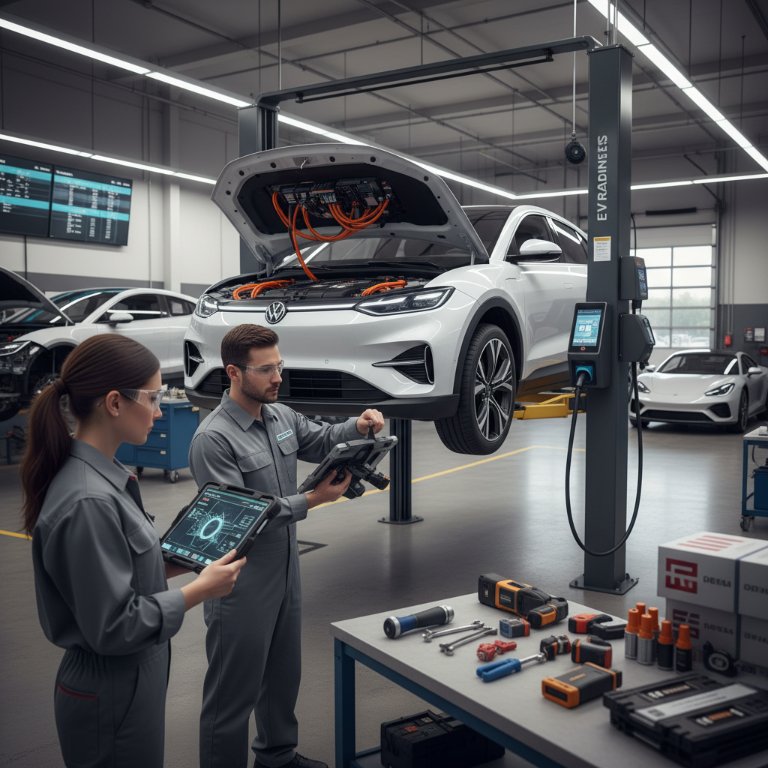
The electric vehicle landscape is undergoing a critical, albeit less celebrated, transformation: a significant surge in repair volume. While 2025 saw a modest dip in new EV sales, the industry now grapples with a burgeoning aftermarket challenge as the existing fleet ages and accumulates damage. New data reveals that the share of repairable EV claims escalated by a staggering 40% year-over-year, signalling an urgent call to action for repair shops, insurers, and OEMs alike. This isn't just about more vehicles needing service; it's about a fundamental shift in the complexity and economics of automotive repair.
The Intricate Web of EV Damage
Unlike their internal combustion engine (ICE) predecessors, electric vehicles introduce a new layer of repair complexity. The sophisticated integration of advanced driver-assistance systems (ADAS) and intricate electronic architectures means collision and even minor repairs are no longer straightforward panel-beating exercises. These systems, crucial for modern vehicle safety and functionality, demand precise diagnostic scans and meticulous calibrations post-repair. This often translates to longer repair times and specialized expertise that not all traditional body shops possess. Where a fender bender in an ICE car might require basic bodywork, the same incident in an EV could necessitate recalibrating multiple sensors, cameras, and radar units, fundamentally altering the repair workflow and skillset required.
OEM Dominance Stifles Aftermarket Flexibility
A significant bottleneck in the burgeoning EV repair ecosystem is the heavy reliance on original equipment manufacturer (OEM) parts. In the mature ICE vehicle market, a robust aftermarket for replacement parts offers competitive pricing and wider availability, significantly reducing repair costs and cycle times. For EVs, however, the relative newness of the technology and proprietary designs means independent repair shops often have limited alternatives to OEM components. This dependency can lead to extended cycle times as shops wait for parts, directly impacting vehicle owners who face longer periods without their cars. Furthermore, the lack of competitive pressure from aftermarket suppliers keeps repair costs higher than many consumers might anticipate, pushing up overall ownership expenses and, inevitably, insurance premiums.
A Wake-Up Call for the Repair Sector
This escalating repair volume and complexity underscore a pressing need for repair shops to prioritize 'EV readiness'. This isn't merely about having a charging station; it encompasses significant investments in specialized training for technicians, advanced diagnostic tools, and the infrastructure to safely handle high-voltage battery systems. Independent repair networks, which traditionally offer more accessible and often more affordable services for ICE vehicles, face a considerable hurdle. Without substantial investment, many risk being left behind, ceding the lucrative, albeit challenging, EV repair market primarily to OEM dealerships. This creates a potential bottleneck for consumers, limiting their options and potentially driving up costs further.
Why This Matters:
This burgeoning repair challenge is more than an operational headache for shops; it directly impacts the broader adoption and long-term viability of electric vehicles. For prospective EV buyers, this translates to potentially higher insurance premiums and longer repair durations, adding a layer of concern to the total cost of ownership beyond the initial sticker price. The industry, from automakers to insurers, must acknowledge that a seamless and affordable repair experience is as crucial to EV growth as range and charging infrastructure.
- Who wins? Repair shops that proactively invest in EV training and equipment will position themselves as leaders in a high-growth sector. OEMs that streamline parts availability and consider repairability in their designs will foster greater customer satisfaction.
- Who loses? Consumers, initially, through increased costs and inconvenience. Repair shops that fail to adapt risk obsolescence.
- What does this signal? The EV market is maturing beyond its early adopter phase. The focus is shifting from purely sales growth to the entire lifecycle of the vehicle, including service, maintenance, and repair. This is a crucial moment for the industry to collaborate and innovate to ensure that the promise of sustainable transportation isn't undermined by prohibitive repair realities.
The growing wave of EV repairs unequivocally signals a new chapter for the automotive aftermarket. The industry's ability to swiftly adapt to the unique complexities of electric vehicle maintenance and repair, ensuring parts availability and accessible service, will be paramount to sustaining the long-term momentum and consumer confidence in the electric revolution.