EV Repair Claims Surge 40%: The Hidden Cost and Growing Complexity of Electrification
The electric vehicle revolution continues its undeniable march forward, yet beneath the gleaming facade of new model launches and expanding charging n...
Editorial Team
World Of EV
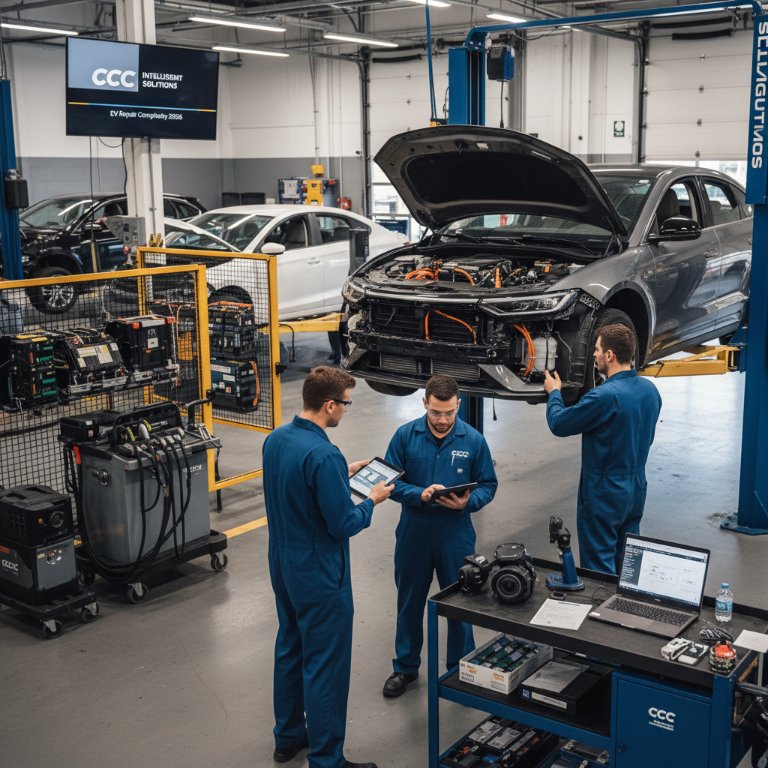
The electric vehicle revolution continues its undeniable march forward, yet beneath the gleaming facade of new model launches and expanding charging networks, a significant and increasingly complex challenge is rapidly emerging. A recent report by CCC Intelligent Solutions reveals a staggering 40% year-over-year jump in repairable claims for electric vehicles. This isn't merely a reflection of more EVs on the road; it signals a fundamental shift in the automotive repair landscape, demanding a radical re-evaluation of current practices and investments across the industry.
While new EV sales figures might ebb and flow with economic currents and shifting consumer sentiment, the sheer volume of electric cars and trucks entering the global fleet is steadily climbing. This growing parc of EVs is now translating directly into a dramatic increase in collision and mechanical repairs, exposing critical gaps in infrastructure, training, and parts supply that could significantly impact the long-term cost of EV ownership and broader adoption.
The Soaring Repair Tally: A Byproduct of Growth
The headline figure—a 40% increase in EV repairable claims year-over-year—underscores an inevitable truth: as more electric vehicles hit the tarmac, the incidence of accidents and the need for maintenance will naturally rise. This isn't an indictment of EV safety, but rather a clear indicator that the repair ecosystem must mature at a pace commensurate with EV adoption. For collision repair centers, insurers, and ultimately, EV owners, this surge means a fundamentally different workload compared to the internal combustion engine (ICE) era.
Complexity is the New Norm: ADAS and Advanced Electronics
What truly distinguishes EV repairs, and contributes heavily to their elevated cost and extended cycle times, is the inherent complexity embedded within modern electric platforms. Today's EVs are not just electric powertrains; they are rolling computers, laden with sophisticated advanced driver-assistance systems (ADAS) and intricate electronic architectures.
- Integrated ADAS: Features like adaptive cruise control, lane-keeping assist, and automatic emergency braking rely on a network of sensors, cameras, and radar units. Even a minor fender bender can necessitate recalibration of multiple ADAS components, requiring specialized diagnostic equipment and precise alignment.
- High-Voltage Systems: The presence of large battery packs and high-voltage cabling introduces a critical safety dimension, requiring technicians with specific certifications and training to safely diagnose and repair.
- Software-Defined Vehicles: From battery management systems to infotainment, software plays a pervasive role. This means repairs often involve complex diagnostic scans, software updates, and module programming, significantly increasing the time and expertise required per estimate.
The demand for more diagnostic scans and precise calibrations per estimate isn't just an optional add-on; it's a non-negotiable step to ensure vehicle safety and functionality post-repair, effectively "raising the bar" for every collision repair professional.
The Parts Predicament: OEM Dependence and Supply Chain Woes
Another formidable hurdle for the burgeoning EV repair sector is parts sourcing. The CCC report highlights a heavy reliance on Original Equipment Manufacturer (OEM) parts, with a noticeable scarcity of aftermarket alternatives. This dynamic has several critical implications:
- Extended Cycle Times: When only OEM parts are available, shops are beholden to the manufacturer's supply chain, which can lead to longer waiting periods for crucial components, pushing up the total repair time.
- Higher Average Repair Costs: OEM parts typically command a premium over aftermarket options. This directly contributes to the higher average repair cost observed in the EV segment.
- Limited Competition: A lack of robust aftermarket competition limits price pressure, further entrenching higher costs.
This reliance on OEM channels not only impacts repair shop efficiency but also directly affects insurance premiums and ultimately, the total cost of EV ownership for consumers.
Why This Matters:
The dramatic rise in EV repair claims and their underlying complexities signal a critical inflection point for the entire automotive ecosystem. This isn't merely a statistical anomaly; it's a clear indicator of systemic shifts that will define the future of vehicle ownership and service.
- For Consumers: Expect higher insurance premiums and potentially longer repair times. The promise of lower "fuel" costs with an EV needs to be balanced against potentially higher long-term maintenance and repair expenses. This could temper some of the enthusiasm for EV adoption, especially for cost-conscious buyers.
- For Repair Shops: This is a "do-or-die" moment. Shops that invest aggressively in specialized training, ADAS calibration equipment, high-voltage safety tools, and OEM repair procedure subscriptions will thrive. Those that don't will quickly find themselves unable to service a growing segment of the market, losing business to more prepared competitors. The barrier to entry for quality EV repair is rising significantly.
- For Insurers: Actuarial models will need to rapidly adapt. The traditional assumptions for repair costs and timelines no longer apply. This could lead to innovative insurance products tailored specifically for EVs, or a general increase in premiums to cover the elevated risk and cost. Data on EV-specific claims will become invaluable.
- For OEMs: While the reliance on OEM parts initially benefits their bottom line, they also bear the responsibility of ensuring a robust and efficient parts supply chain to support their growing vehicle fleets. Furthermore, OEMs must increasingly collaborate with the independent repair sector to provide necessary training and access to proprietary diagnostic tools.
- For the Aftermarket Industry: This report serves as a siren call. The aftermarket parts industry has a tremendous opportunity to innovate and develop cost-effective, quality alternatives to OEM components, but this requires significant investment in R&D and manufacturing, along with stringent quality control.
The message is clear: the EV revolution extends far beyond the dealership lot. Without a concerted industry effort to address repair complexity, parts availability, and technician training, the hidden costs of electrification could become a significant impediment to widespread adoption.
The surge in EV repair claims, marked by increased complexity and parts sourcing challenges, presents a formidable hurdle for the automotive industry. It's a stark reminder that true electrification requires a holistic approach, encompassing not just vehicle production and charging infrastructure, but also a robust, skilled, and well-equipped repair network. The coming years will demand unprecedented collaboration between automakers, insurers, repair facilities, and parts suppliers to forge a sustainable path forward, ensuring that the promise of electric mobility remains accessible and affordable for all.