EV Ownership Reaches New Heights of Accessibility and Convenience as Financial Hurdles Fall and Charging Infrastructure Evolves
The electric vehicle revolution is gaining undeniable momentum, but widespread adoption has always hinged on two critical factors: affordability of th...
Editorial Team
World Of EV
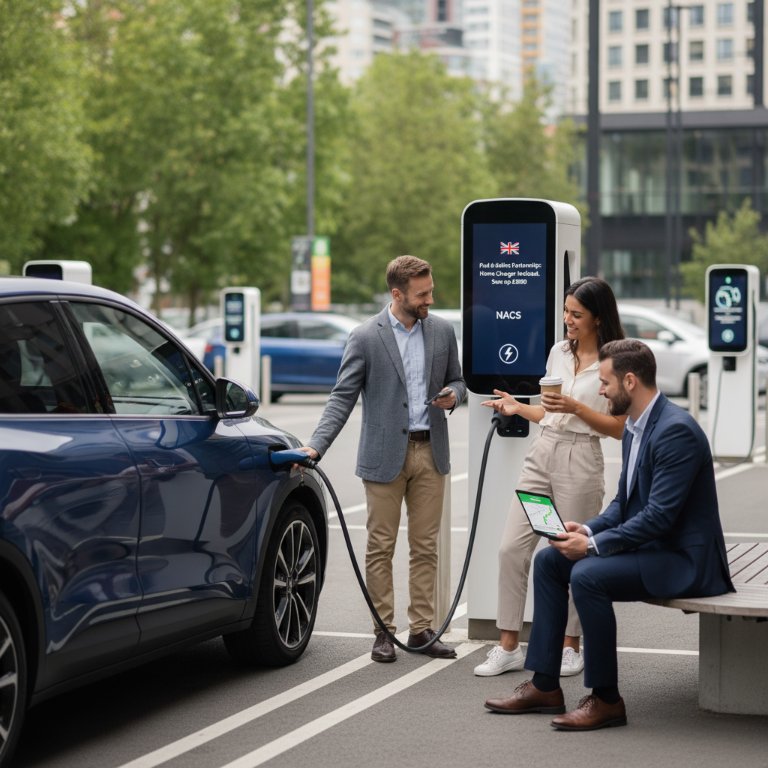
The electric vehicle revolution is gaining undeniable momentum, but widespread adoption has always hinged on two critical factors: affordability of the entire ecosystem and seamless charging. New initiatives are now decisively tackling these challenges, making EV ownership significantly more accessible and convenient for prospective buyers and seasoned enthusiasts alike.
UK's Innovative Salary Sacrifice Scheme Levels the Playing Field
For many, the upfront cost of installing a home EV charger—often exceeding £1,000—represents a significant financial barrier, even after committing to the vehicle itself. However, a groundbreaking partnership between Pod and SalSac in the UK is dismantling this hurdle. This innovative scheme allows employees to integrate the cost of a home EV charger and its installation directly into their existing salary sacrifice arrangements for an electric vehicle lease.
- Financial Relief: By spreading the expense across the vehicle lease term, employees can effectively reduce the cost of a fully installed home charger to between £500 and £800.
- Tax Efficiency: Crucially, this arrangement also offers substantial savings on Income Tax and National Insurance, leveraging the established benefits of salary sacrifice schemes which have historically made EV leases more attractive than traditional financing.
This strategic move not only alleviates immediate financial strain but also positions home charging as a more integrated, affordable component of EV ownership.
Standardization and Expansion Drive Public Charging Reliability
The public charging infrastructure, often a source of anxiety for new EV owners, is also undergoing a significant transformation. The industry is witnessing a robust movement towards greater ease of use and reliability. A pivotal development is the accelerated adoption of unified connectors, such as the North American Charging Standard (NACS). This push for standardization, largely spearheaded by Tesla's initial open-sourcing of its connector, promises to:
- Reduce Confusion: Eliminate the fragmentation of charging ports, ensuring greater interoperability across different EV brands and charging networks.
- Boost Reliability: Streamline maintenance and reduce instances of incompatible or broken charging stations.
- Enhance Availability: Complementing connector unification, the ongoing expansion of public fast-charging bays into better, more strategic locations is actively reducing wait times and mitigating the frustrating experience of encountering out-of-order stations.
Smart EV Habits Boost Efficiency and User Experience
Beyond infrastructure, EV owners are increasingly empowered by 'life hacks' that optimize their charging experience. Modern electric vehicles, equipped with sophisticated battery management systems, allow drivers to pre-condition their vehicle's battery via smartphone apps or integrated navigation systems.
- Optimized Charging: Pre-conditioning warms the battery to an optimal temperature before arrival at a charger, which significantly enhances charging speeds, particularly in colder weather when batteries are less efficient. This simple yet effective practice transforms a potentially sluggish charging session into a quick and efficient top-up, improving the overall practicality of EV ownership.
Why This Matters:
These aren't isolated advancements; they represent a concerted industry effort to mature the electric vehicle market beyond early adopters. The UK's salary sacrifice initiative directly addresses a primary pain point—the upfront cost of home infrastructure—which has often been overlooked in the broader conversation about vehicle price. This makes EV adoption financially viable for a much wider segment of the population, shifting the calculus for prospective buyers. Simultaneously, the evolution of public charging, particularly the move towards NACS and expanded fast-charging networks, is paramount. For years, inconsistent reliability and a patchwork of connectors fostered 'charger anxiety,' holding back many on the fence about going electric. By standardizing and expanding, the industry signals a commitment to a truly seamless user experience, mirroring the convenience of traditional petrol stations. The 'life hacks' like pre-conditioning, while seemingly minor, contribute significantly to user satisfaction and reinforce the notion that EV ownership is not just practical but also smart and efficient. Ultimately, these developments create a virtuous cycle: easier and cheaper ownership drives demand, which in turn spurs further investment in infrastructure and innovation. This push toward holistic accessibility and reliability marks a crucial turning point, signaling that the EV market is moving from niche to mainstream, setting the stage for a truly electrified future.
These pivotal developments aren't just incremental improvements; they are foundational shifts that pave the way for a more seamless and attractive electric future, ensuring that EV ownership is not just a choice for the environmentally conscious, but a practical and financially sound decision for all.