EV Owners Defy Market Turmoil, Report Record Satisfaction and Loyalty in J.D. Power 2026 Study
Despite a turbulent year marked by market volatility and the sunsetting of federal tax credits, electric vehicle (EV) owners are demonstrating unprece...
Editorial Team
World Of EV
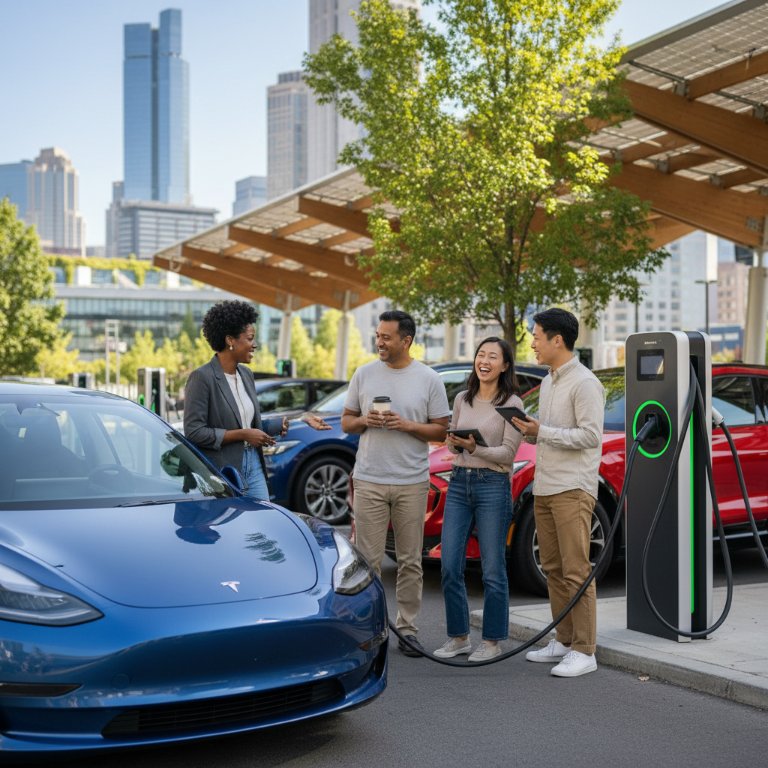
Despite a turbulent year marked by market volatility and the sunsetting of federal tax credits, electric vehicle (EV) owners are demonstrating unprecedented levels of satisfaction and loyalty, according to the freshly released J.D. Power 2026 U.S. Electric Vehicle Experience (EVX) Ownership Study. This critical annual benchmark, now in its sixth year, reveals that overall satisfaction among Battery Electric Vehicle (BEV) owners has climbed to its highest point since the study's inception in 2021. This robust sentiment stands in stark contrast to broader market anxieties and a decline in EV market share following the September 2025 expiration of federal tax credits, painting a compelling picture of a maturing and resilient EV consumer base.
The study's most striking revelation is the unwavering intent of current BEV owners: a remarkable 96% would consider purchasing or leasing another BEV for their next vehicle. This figure is particularly impactful given the recent headwinds, including the discontinuation of the $7,500 federal tax credit that, for many, was a significant purchase incentive. The data suggests that once consumers experience the benefits of EV ownership, they are overwhelmingly reluctant to revert to internal combustion engine (ICE) vehicles.
Driving Forces Behind the Unprecedented Satisfaction
Advanced Battery Technology: Continuous innovations have led to improved range and reliability, alleviating much of the range anxiety that previously plagued prospective buyers.
Enhanced Charging Infrastructure: Significant strides in the availability and reliability of public charging stations have been a major contributor. Notably, public charging satisfaction saw substantial increases, with premium BEV owners reporting a score of 652 (up 101 points from last year) and mass-market owners reaching 511 (an impressive 115-point increase from 2025) on a 1,000-point scale. This improvement is critical, especially as more brands adopt Tesla's North American Charging Standard (NACS), expanding access to the Supercharger network.
Overall Vehicle Performance: Beyond range and charging, improvements in driving enjoyment, vehicle quality, and the integration of safety and technology features are enhancing the holistic ownership experience.
Segment Leaders Emerge
Premium BEV Segment: The Tesla Model 3 secured the highest overall ranking and led the premium BEV segment with a score of 804. Its consistent performance and established charging ecosystem continue to resonate strongly with owners.
Mass Market BEV Segment: The Ford Mustang Mach-E topped the mass market segment with a score of 760, demonstrating Ford's success in delivering a compelling and satisfying EV experience to a broader audience.
Why This Matters:
For Consumers: The message is clear: the EV ownership experience is getting demonstrably better. Improving public charging, a historical pain point, is making long-distance travel less daunting. Higher satisfaction scores and sustained loyalty mean prospective buyers can enter the market with greater confidence, knowing that the core issues of range and charging are being actively addressed and improved upon. This signals a maturation of the technology and supporting infrastructure, translating to a more reliable and enjoyable daily experience.
For Automakers: The study underscores that simply selling an EV is no longer enough. Manufacturers must focus intently on the entire ownership journey—from intuitive charging solutions and robust vehicle performance to reliable battery technology and seamless service experiences. Tesla's continued dominance in the premium segment and Ford's success with the Mach-E highlight the payoff for investing in these areas. Brands that fail to deliver a superior ownership experience risk losing out on the crucial repeat business that drives long-term success. This is a clear call to action for every OEM to prioritize quality, reliability, and charging accessibility.
For the Industry's Future: The 96% repurchase intent, even after the federal tax credit expired, is a powerful indicator that the EV market's growth drivers are becoming organic rather than incentive-dependent. This suggests a healthier, more sustainable expansion. While initial sales might have seen a dip post-incentive, the underlying foundation of satisfied owners promises a strong pipeline of future EV buyers. This signals a shift from early adoption to broader market acceptance, with intrinsic value propositions now outweighing direct financial inducements. The industry must continue to build on this momentum by expanding charging networks, enhancing battery performance, and ensuring vehicle quality to capitalize on this inherent loyalty.
The Road Ahead
The J.D. Power 2026 EVX Ownership Study paints an optimistic, albeit complex, picture of the electric vehicle market. While challenges persist, the resounding satisfaction and loyalty among current owners create a solid foundation for continued growth. As battery technology advances and charging infrastructure expands, the EV experience will only continue to improve, driving further adoption and cementing electric vehicles as a dominant force in the automotive world.