Electrifying Logistics: A Critical Technician Skills Gap Threatens UK's EV Transition
The ambitious shift towards electric vehicles (EVs) in the United Kingdom's logistics sector faces a significant hurdle, not from battery range or cha...
Editorial Team
World Of EV
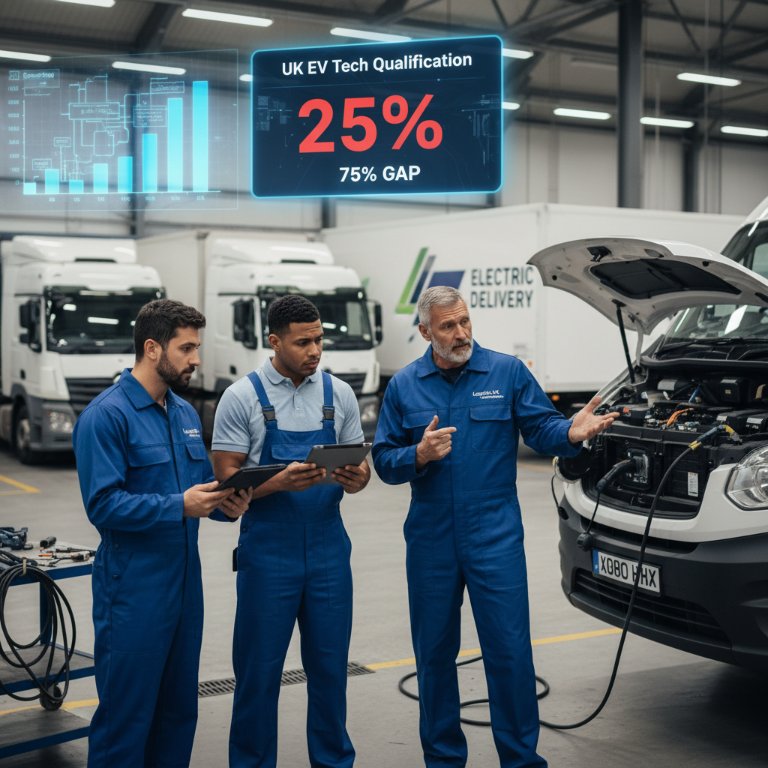
The ambitious shift towards electric vehicles (EVs) in the United Kingdom's logistics sector faces a significant hurdle, not from battery range or charging infrastructure, but from a critical shortage of qualified maintenance technicians. Logistics UK, a leading industry body, has sounded the alarm, warning that this glaring skills gap could severely impede the uptake of cleaner vehicle fleets, ultimately slowing the nation’s journey towards its net-zero emissions targets.
This isn't merely a speculative concern. New data from the Institute of the Motor Industry (IMI) reveals a stark reality: a mere one in four UK technicians currently possess the necessary qualifications to safely and effectively work on electric vehicles. This statistic paints a worrying picture for an industry that relies heavily on consistent uptime and reliable vehicle performance, especially as commercial fleets begin their inevitable transition away from internal combustion engines.
The Stark Reality of the Skills Deficit
The IMI's figures underscore a deepening chasm between the UK's EV ambitions and its practical capabilities. The complex, high-voltage systems and sophisticated software that define modern EVs demand a distinct skillset, far removed from traditional mechanics. Without a rapid upskilling initiative, the existing workforce simply isn't equipped to handle the growing demands of electric fleets. This isn't just about changing oil; it's about comprehensive diagnostics, battery management, and intricate electrical system repairs.
Implications for Fleet Operators
For logistics operators considering the significant investment in electric vehicles, this technician shortage introduces a substantial element of risk. The hesitance to commit to electric fleets is entirely rational when faced with potential challenges such as:
- Increased Downtime: A lack of qualified technicians means longer repair times and greater vehicle inactivity, directly impacting delivery schedules and profitability.
- Higher Maintenance Costs: A limited pool of specialists could drive up labor costs for EV maintenance, eroding the operational savings promised by electric powertrains.
- Safety Concerns: Untrained personnel attempting EV repairs pose serious safety risks, both to themselves and to the integrity of the vehicle.
- Reduced Confidence in EV Adoption: Ultimately, the inability to reliably maintain electric vehicles can undermine confidence in their long-term viability, slowing the pace of electrification across the sector.
Why This Matters:
This technician skills gap isn't just an industry inconvenience; it's a strategic bottleneck threatening the UK's broader environmental and economic objectives. For the EV industry as a whole, it highlights a crucial, often overlooked, aspect of the transition: the 'aftermarket' support. A vehicle, no matter how advanced, is only as good as its ability to be maintained.
Who Wins? Training providers with robust EV-specific curricula stand to gain significantly, as demand for their services will surge. Early-adopter fleets who proactively invest in in-house training or secure partnerships with specialist maintenance providers may gain a competitive edge in fleet reliability.
Who Loses? Fleet operators who delay addressing this challenge will likely face increased operational costs, extended downtime, and potential reputational damage. More broadly, the UK risks falling behind its own decarbonization schedule if commercial EV adoption is stymied by a lack of fundamental support infrastructure. This signals a warning to policymakers that infrastructure isn't just about charging points; it's about human capital and expertise.
What This Signals: This is a clear market signal that the pace of EV adoption, particularly in commercial sectors, will be intrinsically linked to the speed and scale of technician upskilling. It's not a 'do-or-die' moment for a single company, but it is a 'do-or-invest-heavily' moment for the entire logistics and automotive service industries to ensure the UK can genuinely capitalize on the clean vehicle revolution.
The challenge presented by the EV technician skills gap is a stark reminder that the transition to electric vehicles encompasses far more than just manufacturing and sales. For the UK to truly embrace a cleaner future in logistics, an urgent, collaborative effort from government, industry bodies, and educational institutions is essential to cultivate a workforce capable of maintaining the vehicles of tomorrow. Without this fundamental support, the road to electrified fleets risks becoming a much longer and bumpier journey.