DS No8 Unleashed: Stellantis's Dedicated EV Finally Arrives, Promising 400+ Miles and Premium Comfort
After years of navigating the nascent electric vehicle market with platforms adapted from internal combustion engine vehicles, Stellantis is finally p...
Editorial Team
World Of EV
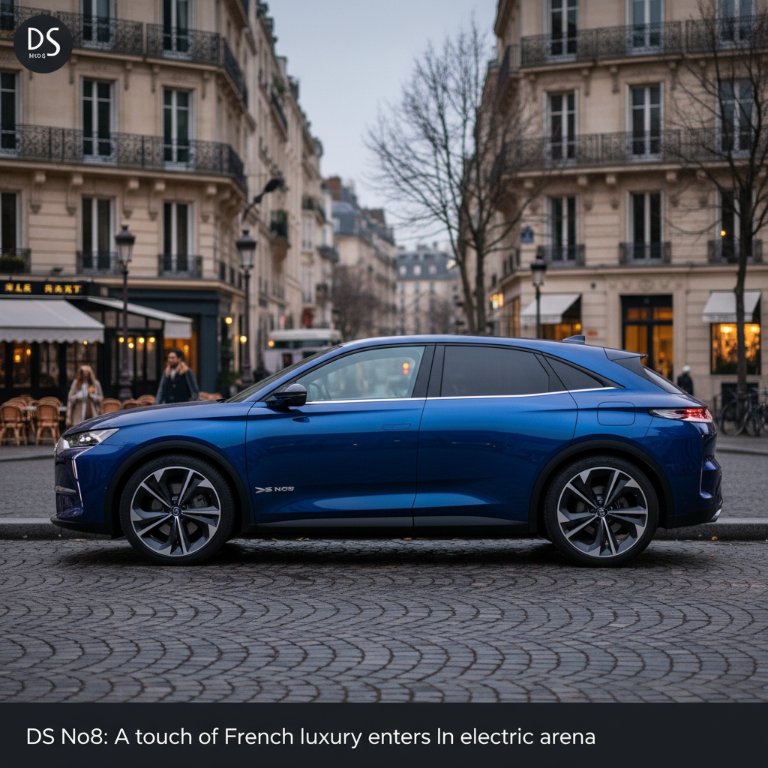
After years of navigating the nascent electric vehicle market with platforms adapted from internal combustion engine vehicles, Stellantis is finally putting its dedicated EV strategy on display. The DS No8, the luxury marque’s latest offering, isn’t just another electric car; it represents Stellantis’s inaugural foray into a bespoke electric architecture. This bold move signals a serious intent to challenge the established players in the premium EV segment, and with a claimed range exceeding 400 miles, the No8 arrives with significant ambition.
A New Foundation for Stellantis's EV Future
For too long, Stellantis, much like many legacy automakers, relied on 'multi-energy' platforms that could accommodate petrol, diesel, or electric powertrains. While this offered manufacturing flexibility, it often compromised the inherent advantages of a ground-up electric design, such as optimal battery packaging, interior space, and driving dynamics. The DS No8 breaks this mold, built on a dedicated EV platform designed from the outset to be electric.
The DS No8 aims to carve out its niche by prioritizing comfort and effortless driving. Initial reviews highlight a remarkably smooth and refined experience, setting it apart in a segment that often equates 'premium' with 'sporty.' This focus on a serene ride could resonate deeply with buyers seeking a sanctuary on wheels, rather than a track-day warrior. Key attributes include:
- Over 400 Miles of Range: A standout figure that immediately positions the No8 among the elite in terms of pure endurance, rivaling and even surpassing many current luxury EVs. This effectively addresses a primary concern for many prospective EV buyers—range anxiety.
- Effortless Driving Experience: The No8 emphasizes a plush, comfortable ride and intuitive handling, promising a relaxed journey whether urban commuting or long-distance touring.
- Distinctive DS Design Language: Carrying forward the brand’s unique blend of avant-garde styling and French luxury, the No8 aims to stand out visually in a sea of increasingly similar EV designs.
Navigating a Crowded Premium Arena
The DS No8 enters a fiercely competitive segment, facing off against formidable rivals such as the sleek Polestar 4 and the established BMW iX3. While its impressive range and comfort-focused approach are strong differentiators, the No8 isn’t without its challenges. Early observations note that some interior touches don’t quite hit the expected premium mark, and rear passenger space is reportedly less generous than some competitors. These details, while seemingly minor, are magnified in a segment where discerning buyers demand perfection in every aspect. Compared to a BMW iX3, which offers a robust driving experience and proven luxury pedigree, or the Polestar 4's minimalist, high-tech interior and sporty dynamics, the DS No8 must ensure its unique selling propositions outweigh its minor drawbacks.
Why This Matters:
This is far more than just a new model launch for DS; it’s a critical inflection point for Stellantis. The DS No8 signals a genuine shift from adaptation to dedication in its EV strategy. For too long, Stellantis brands have been playing catch-up, and this dedicated platform represents their serious commitment to the electric future. If the No8 can effectively leverage its exceptional range and comfort-centric philosophy to attract buyers, it validates Stellantis's investment in bespoke EV architectures and paves the way for a new generation of electric vehicles across its diverse portfolio, from Peugeot to Alfa Romeo. Conversely, if the minor interior and space drawbacks prove to be significant stumbling blocks in the premium market, it could undermine confidence in Stellantis's newfound EV direction. This is a crucial test: who wins is the discerning buyer looking for comfort and range, and who loses could be the perception that Stellantis is still lagging, despite this significant step forward. It signals to the market that Stellantis is no longer content to merely participate; it intends to compete at the highest level of EV performance and luxury.
With the DS No8, Stellantis has laid down a clear marker: it is ready to challenge the premium EV establishment with a product built from the ground up for the electric era. The impressive range and comfort-first approach are compelling, and while some minor refinements are needed, this vehicle represents a bold statement of intent for the future of Stellantis's electric ambition. The road ahead for the DS No8, and indeed for Stellantis’s EV future, will be one to watch closely.