Don't Blame Your EV: A GMC Sierra Owner's Revelation Unmasks Hidden Home Energy Vampires
The electrifying shift in automotive culture brings with it a host of new considerations, especially regarding energy consumption. For many, integrati...
Editorial Team
World Of EV
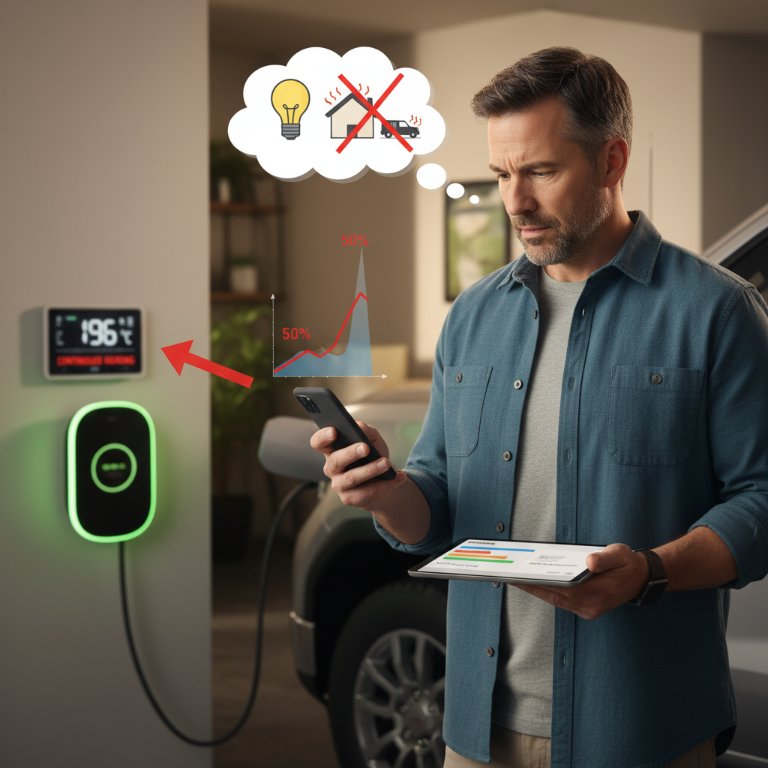
The electrifying shift in automotive culture brings with it a host of new considerations, especially regarding energy consumption. For many, integrating an electric vehicle into daily life means a new level of awareness about their overall energy footprint. A recent incident involving a GMC Sierra EV owner starkly illustrates this evolving landscape, offering a crucial lesson for every EV household: don't automatically blame your electric truck when your energy bill spikes. The true culprit might be lurking much closer to home.
A Shocking Revelation for One Sierra EV Owner
Transitioning to an electric truck like the powerful GMC Sierra EV represents a significant step towards sustainable mobility. However, one owner's experience recently highlighted a common pitfall for new EV adopters. After receiving an automated alert indicating a staggering 50% increase in energy usage compared to the previous year, the immediate assumption was the new electric pickup truck. It's a natural inclination: a large, battery-powered vehicle surely demands substantial energy. Yet, the initial culprit proved to be a red herring, diverting attention from a far more pervasive energy drain.
Unmasking the True Energy Vampire
Through diligent investigation, the GMC Sierra EV owner uncovered the real source of their soaring energy consumption: a household heating system that had been running continuously overnight. Modern heating, ventilation, and air conditioning (HVAC) systems, especially in colder climates, are among the most significant energy consumers in a home. When operating non-stop, even an otherwise efficient unit can quickly rack up substantial kilowatt-hours, dwarfing the daily charging needs of an EV. This incident serves as a powerful reminder that while an EV adds to a home’s energy load, it rarely accounts for such a dramatic, sudden surge unless there's an underlying issue with charging infrastructure or the vehicle itself.
The Critical Lesson for Every EV Household
This experience isn't an isolated anomaly; it's a critical 'life hack' for the growing community of EV owners. Before pointing fingers at your pristine electric vehicle for unexpected energy bill increases, a meticulous troubleshooting process of all household energy consumers is paramount. This includes:
- Reviewing smart thermostat settings: Ensure schedules are optimized and that systems aren't running unnecessarily.
- Inspecting for drafts and insulation issues: Heat loss can force HVAC systems to work harder.
- Checking major appliances: Refrigerators, water heaters, and even older electronics can be silent energy hogs.
- Monitoring phantom loads: Devices plugged in but not in use can still draw power.
The presence of an EV in the garage often elevates home energy awareness, acting as an unwitting catalyst for uncovering pre-existing inefficiencies.
Why This Matters:
This seemingly simple anecdote carries profound implications for the evolving EV ecosystem and energy management. Firstly, it underscores the critical need for enhanced energy literacy among EV owners. As electric vehicles become mainstream, the distinction between vehicle energy consumption and overall household consumption blur. This incident highlights a crucial opportunity for both EV manufacturers and smart home technology providers to offer more integrated, user-friendly energy monitoring solutions that differentiate between vehicle charging and household loads. This isn't just about saving money; it's about fostering confidence in EV ownership by demystifying energy usage.
Secondly, this scenario illuminates the growing importance of holistic home energy management. The 'blame the EV' reflex often stems from a lack of visibility into total energy consumption. Solutions that integrate EV charging data with whole-home energy monitoring could become a significant differentiator in the market. Companies offering smart circuit breakers, energy monitors, and AI-driven home energy optimization platforms stand to gain significantly as consumers seek to understand and control their increasingly complex energy profiles. Ultimately, this shifts the narrative: EVs aren't just cars; they are integral components of a household's broader energy strategy, forcing consumers to become more aware and proactive about their energy footprint. This isn't a do-or-die moment for any single company, but rather a clear signal that the market for intelligent, integrated home energy solutions is poised for significant growth, driven in part by the widespread adoption of electric vehicles.
Embracing an electric vehicle means embracing a new level of energy awareness. The GMC Sierra EV owner's experience serves as a timely reminder that while our EVs are powerful, efficient machines, they are but one part of a larger energy picture. True energy efficiency begins with understanding and optimizing our entire household's consumption, ensuring that the benefits of electric mobility are fully realized without unexpected financial surprises.