Denza B5 Leopard Roars into Premium Hybrid Segment: BYD's Luxury Offensive Begins
BYD's premium arm, Denza, is making a bold statement in the luxury hybrid SUV market with the 2026 B5 Leopard. This move signals a significant escalat...
Editorial Team
World Of EV
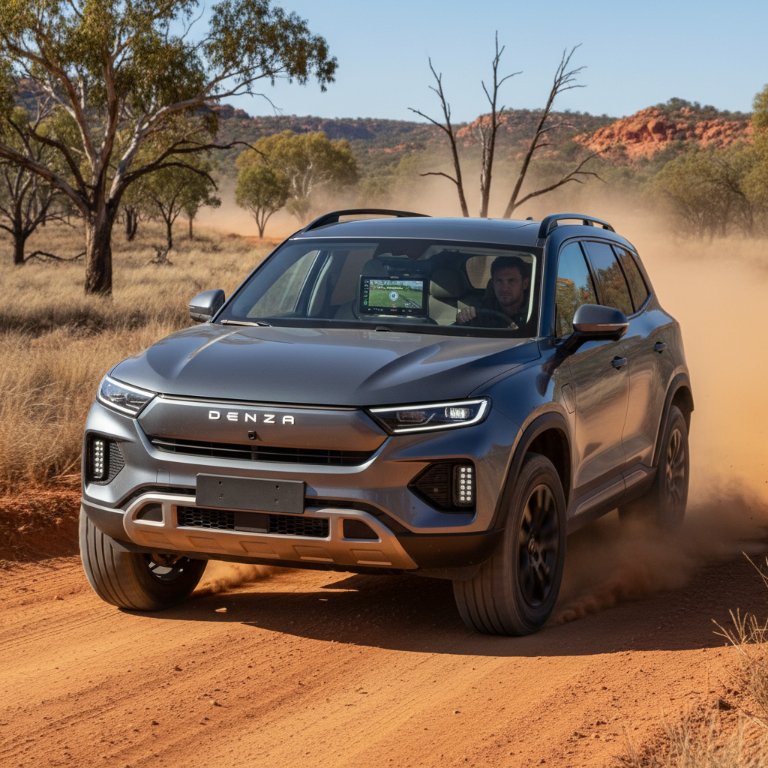
BYD's premium arm, Denza, is making a bold statement in the luxury hybrid SUV market with the 2026 B5 Leopard. This move signals a significant escalation in BYD's global ambitions, venturing beyond its well-established, value-focused EV lineup into a more discerning, high-margin segment. The B5 Leopard, a hybrid SUV combining robust off-road capability with a luxurious cabin, aims to challenge established players and carve out a new niche for Chinese luxury in international markets, particularly Australia.
After years of rapidly expanding its global EV footprint with models like the Atto 3 and Seal, BYD is now leveraging its Denza brand to showcase advanced hybrid technology and premium craftsmanship. This strategy mirrors the multi-brand approach of automotive giants, positioning Denza to capture a different demographic—one that prioritizes refinement and versatility alongside efficiency.
Hybrid Prowess Meets Off-Road Ambition
The Denza B5 Leopard arrives with a sophisticated hybrid powertrain, seamlessly integrating a petrol engine with two electric motors. Reviewers consistently praise its smooth and powerful delivery, offering an engaging driving experience both on and off the tarmac. This configuration promises not just impressive acceleration but also considerable efficiency, a critical factor for today's discerning buyers.
- Powertrain: Petrol engine paired with two electric motors.
- Performance: Smooth, powerful, efficient, and particularly capable in off-road scenarios.
- Versatility: A strong offering for those who need range flexibility beyond pure electric vehicles, or face challenging terrains.
Luxury and Tech, But With a Heavy Footprint
Inside, the B5 Leopard doesn't shy away from luxury. The cabin is replete with high-end materials and cutting-edge technological features, elevating the user experience to premium standards. This commitment to quality and value for money is a recurring theme, suggesting Denza intends to deliver more for less, a signature BYD trait.
However, this opulence and capability come with a significant asterisk: its substantial kerb weight of 3007kg. While this heft undoubtedly contributes to its composed road manners and perceived solidity, it also positions the B5 Leopard as one of the heavier vehicles in its class. This weight could impact long-term efficiency and tire wear, aspects that savvy buyers will scrutinize. Furthermore, the off-road camera, a crucial feature for adventurous drivers, reportedly suffers from an annoying habit of switching off when most needed, a minor but frustrating flaw that Denza must address.
The Brand Equity Hurdle in Australia
For markets like Australia, Denza faces an uphill battle in establishing brand equity. Unlike its parent company BYD, which has rapidly gained recognition through aggressive marketing and compelling value propositions, Denza is an unknown entity. Pricing, in particular, will be a critical determinant of its success. While the B5 Leopard demonstrates excellent quality and value, convincing Australian consumers to pay a premium for an unfamiliar brand will require a substantial investment in marketing and a compelling ownership experience.
Why This Matters:
The launch of the Denza B5 Leopard is far more than just another SUV hitting the market; it's a strategic chess move by BYD. For the industry, it signals BYD's serious intent to move into the higher echelons of the automotive market, challenging established luxury brands on their own turf with a sophisticated, technologically advanced offering. This isn't just about selling cars; it's about shifting perceptions of Chinese automotive engineering and design excellence.
Who Wins? Prospective luxury SUV buyers benefit from increased competition and potentially better value. BYD strengthens its global diversified portfolio, mitigating risks associated with sole reliance on the mass-market EV segment. The robust hybrid system also appeals to buyers still hesitant about full electrification, particularly those requiring serious towing or off-road capabilities.
Who Loses? Established luxury SUV manufacturers, particularly those reliant on internal combustion engines, could face increased pressure on pricing and features. The heavy kerb weight might deter some environmentally conscious buyers or those seeking maximum efficiency, pushing them towards lighter, pure-EV alternatives.
What This Signals: This move solidifies the trend of Chinese automakers challenging the global hierarchy. It also underscores the continued relevance and evolution of plug-in hybrid electric vehicles (PHEVs) as a crucial bridge technology, especially for larger, more capable vehicles where pure EV range or charging infrastructure remains a concern. For Denza, it's a critical moment to define its identity and market position.
Conclusion:
The 2026 Denza B5 Leopard presents a compelling package of luxury, performance, and off-road capability, underpinned by a sophisticated hybrid powertrain. While its substantial weight and the challenge of building brand recognition in new markets are hurdles, its inherent quality and value proposition cannot be ignored. The success of the B5 Leopard in markets like Australia will not only dictate Denza's future trajectory but also serve as a barometer for Chinese luxury vehicles' acceptance on the global stage. It’s a bold gamble, but one that could significantly reshape the premium SUV landscape.