Deloitte's Reality Check: EV Adoption Stalls Amidst Affordability Crisis and Unmet Expectations
Deloitte's 2026 Global Automotive Consumer Study delivers a sobering message to the electric vehicle industry: the anticipated surge in mass-market ad...
Editorial Team
World Of EV
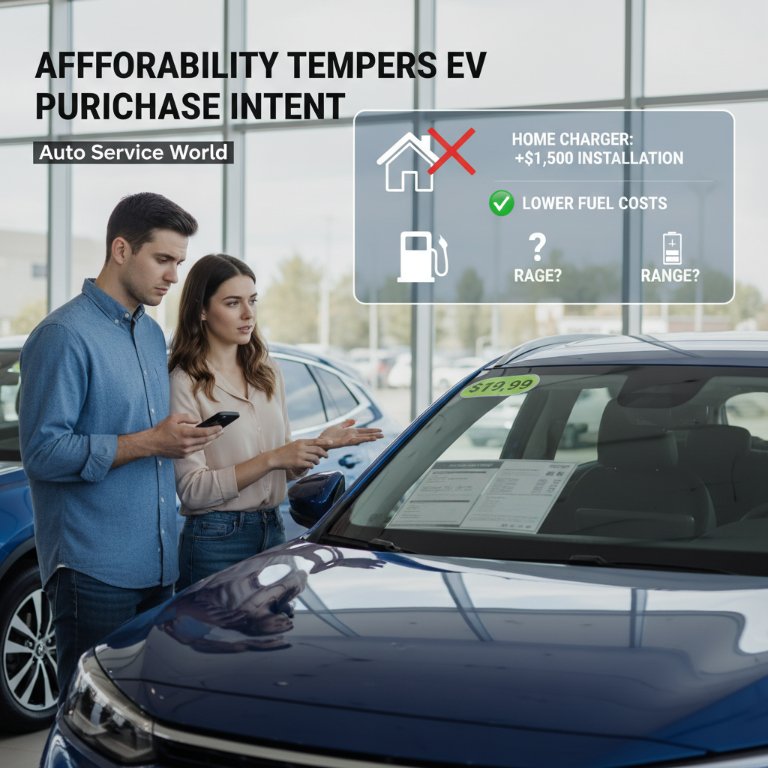
Deloitte's 2026 Global Automotive Consumer Study delivers a sobering message to the electric vehicle industry: the anticipated surge in mass-market adoption faces significant headwinds. Despite fervent industry investment and government incentives, consumer intent to purchase a Battery Electric Vehicle (BEV) in the United States nudged up by a mere two percentage points to a disappointing 7%. This sluggish growth highlights a critical disconnect between the industry's ambitions and the pragmatic realities facing everyday buyers.
The Affordability Barrier Remains Paramount
The study unequivocally points to affordability pressures as the primary impediment to broader EV adoption. While lower fuel costs stand as the single biggest motivator for consumers considering an EV, this benefit is frequently overshadowed by the upfront purchase price and the often-overlooked ancillary expenses. For years, analysts at "World Of EV" have cautioned that while the initial wave of affluent early adopters has largely embraced EVs, the transition to mainstream buyers demands a compelling economic proposition that goes beyond environmental consciousness. The current data suggests the industry is still falling short.
- Stagnant Intent: A meager 7% purchase intent for BEVs in the U.S. signals a plateau in interest, barely moving the needle despite increased model availability.
- Core Concerns: Overall cost, range anxiety, and charging times continue to be the dominant concerns for prospective EV owners.
The Hidden Cost of Going Electric: Home Charging's Overlooked Impact
Adding another layer of complexity to the affordability challenge is the critical issue of home charging infrastructure. Deloitte's research reveals that over half of prospective EV buyers lack access to a dedicated home charger. This statistic is alarming, as reliable home charging is often touted as a cornerstone of the EV ownership experience, maximizing convenience and leveraging cheaper off-peak electricity rates. The necessity of installing a home charger, which can incur substantial additional costs, directly undermines the perceived savings from lower fuel expenses and presents a significant barrier for many potential buyers. This installation cost, alongside concerns about public charging reliability and speed, compounds the overall cost perception and practical feasibility for many households.
The Software and Service Expectation Gap
Compounding the financial pressures, consumer expectations for advanced software features and seamless service experiences are simultaneously on the rise. Modern buyers expect intuitive infotainment systems, over-the-air updates, and a connected car experience that mirrors the digital prowess of their smartphones. While manufacturers pour resources into developing these high-tech features, the study indicates a potential misalignment: consumers are demanding premium technology and service, but are hesitant to pay the premium price that often accompanies it, especially when fundamental concerns like cost, range, and charging persist.
Why This Matters:
This Deloitte study is a stark wake-up call, signaling a critical juncture for the global EV market. The easy wins are over; the industry must now confront the harder task of making EVs genuinely accessible and appealing to the mass market. For automotive manufacturers, this isn't just about rolling out more models; it's about re-evaluating pricing strategies, innovating financing options, and, crucially, integrating home charging solutions directly into the sales process. OEMs that can offer attractive, all-inclusive packages that address vehicle cost, home charger installation, and reliable charging access will be the clear winners.
Who loses? Startups and niche players focused solely on high-end, feature-rich EVs without a clear strategy for affordability and infrastructure integration will struggle to expand beyond their initial customer base. Established automakers, particularly those with strong existing service networks and the ability to leverage economies of scale for more competitive pricing, have an opportunity to gain significant ground if they pivot quickly. This data signals a market that is maturing, demanding practical solutions over aspirational promises. It's a do-or-die moment for companies to prove they can deliver true value, not just cutting-edge technology, to the average consumer.
The path forward for EV adoption is clear, though challenging. Manufacturers must bridge the growing gap between advanced technological offerings and the fundamental consumer demands for affordability, reliable charging, and a seamless ownership experience. The next phase of EV growth hinges not just on innovation in powertrain, but on a holistic approach that tackles the real-world economic and logistical hurdles preventing wider acceptance.