Citroën's ë-C3 Redefines Affordable EV Expectations, Disrupting the Sub-£20,000 Market
For too long, the aspiration of owning a new electric vehicle under £20,000 felt like a distant dream, often associated with significant compromises i...
Editorial Team
World Of EV
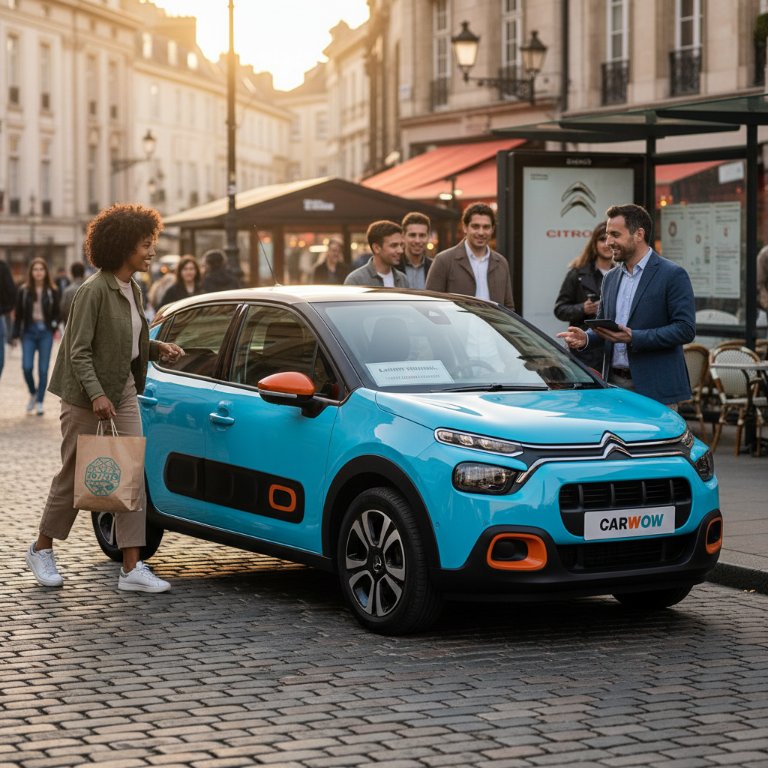
For too long, the aspiration of owning a new electric vehicle under £20,000 felt like a distant dream, often associated with significant compromises in quality, comfort, or practicality. Now, Citroën boldly challenges that perception with its new ë-C3, quickly emerging as a favourite among industry experts and daily users alike. This compact electric car is not just hitting a crucial price point; it's delivering a driving experience that genuinely impresses, setting a new benchmark for accessible EV ownership. After years of the market struggling to offer truly compelling electric options at budget-friendly prices, the ë-C3 arrives as a much-needed breath of fresh air. It leverages Stellantis's innovative 'Smart Car' platform, designed from the outset to be cost-efficient and BEV-focused, which is instrumental in its aggressive pricing strategy.
A Refreshing Take on Affordability and Design
Carwow's news editor, Jamie Edkins, enthusiastically identifies the Citroën ë-C3 as a standout small electric car, praising its appealing design, comprehensive practicality, and remarkable comfort, all for a starting price that can dip below £20,000. This pricing positions the ë-C3 as one of the most significant new electric vehicles to hit the market in some time, making it competitive with, and in some cases undercutting, rivals like the Dacia Spring and even some petrol alternatives.
Real-World Livability Confirmed
The positive sentiment extends beyond initial reviews, with Carwow's Video Project Manager, Giulia McCarthy, currently undertaking a six-month real-world test. Her testimonial highlights key aspects of the ë-C3's daily usability, reinforcing its value proposition:
- Exceptional Ride Comfort: The ë-C3 delivers a comfortable ride, particularly noticeable in demanding urban environments, thanks to Citroën's acclaimed Advanced Comfort® Suspension, fitted as standard.
- Spacious Interior: Despite its compact footprint, the car offers good rear-seat space, a crucial factor for small families or those regularly transporting passengers.
- Thoughtful Interior Design: The cabin boasts a well-designed interior featuring a distinctive square steering wheel and cheerful materials, elevating the ambience beyond typical budget offerings.
- Competent Performance and Range: Power comes from a 44kWh LFP battery, providing a WLTP range of up to 199 miles and a 113hp electric motor. DC rapid charging (20-80%) is achievable in approximately 26 minutes, making it suitable for most urban and inter-urban journeys.
Why This Matters:
The Citroën ë-C3's arrival is more than just another EV launch; it's a potential watershed moment for the electric vehicle industry. For years, the lack of genuinely affordable and desirable new EVs has been a significant barrier to mainstream adoption. The ë-C3 directly addresses this by offering a compelling package that doesn't demand substantial financial sacrifice or compromise on core attributes like comfort and design.
Who Wins? Consumers, first and foremost, win big. The ë-C3 democratizes EV ownership, making zero-emission mobility accessible to a wider demographic. Citroën also stands to gain immensely, positioning itself as a leader in the crucial affordable EV segment. Furthermore, the broader EV transition benefits as price is arguably the biggest hurdle to overcome. This also validates Stellantis's 'Smart Car' platform strategy, proving that purpose-built, cost-effective EV architectures are the future for mass-market electrification.
Who Loses? Competitors who have either failed to deliver on affordable EV promises or whose entry-level offerings are significantly more expensive, less comfortable, or less practical, will face intense pressure. This includes many traditional ICE city cars, as the ë-C3's running costs and appeal become increasingly undeniable. Emerging players in the budget EV space, such as the Dacia Spring, will need to innovate further to maintain their edge against such a well-rounded contender.
What This Signals: The ë-C3 signals a critical maturation of the European EV market. It's proof that manufacturers can deliver on the promise of affordable electric vehicles without resorting to stripped-down, unappealing offerings. This move by Citroën will undoubtedly force other brands to accelerate their own development of truly accessible EVs, fostering healthy competition that will ultimately benefit the consumer and the environment.
The Citroën ë-C3 is not just a car; it's a statement. It proves that an engaging, practical, and comfortable electric vehicle can exist under the £20,000 threshold. As it rolls out, expect the ë-C3 to be a key player in accelerating the shift to electric, prompting a much-needed recalibration of expectations across the automotive landscape.