Cadillac Lyriq Owners Hit GM with Class Action, Alleging 'Inoperable' EVs and Eroding Ultium's Promise
A proposed class-action lawsuit filed in the US District Court for the Western District of Washington has thrown a significant wrench into General Mot...
Editorial Team
World Of EV
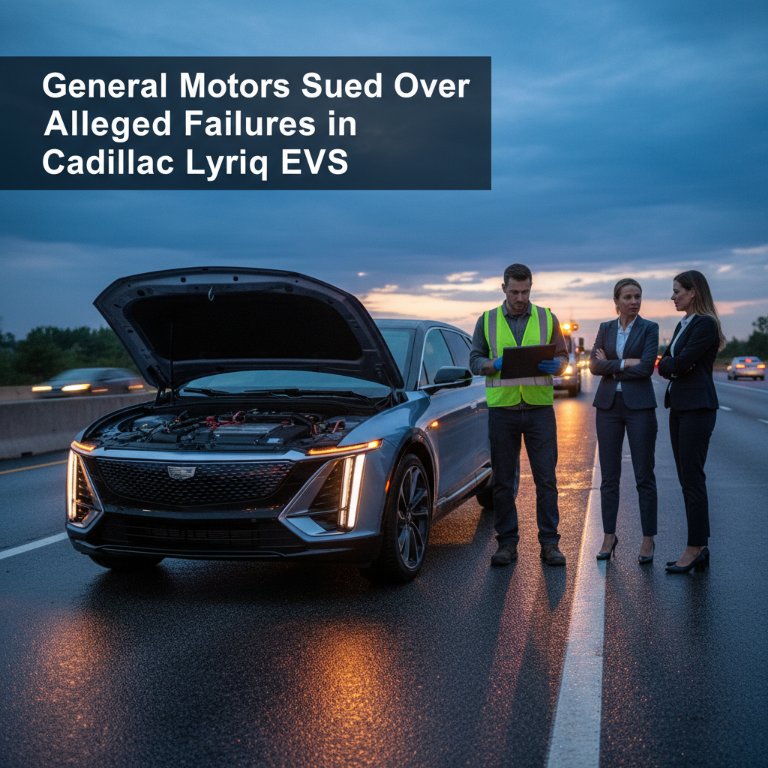
A proposed class-action lawsuit filed in the US District Court for the Western District of Washington has thrown a significant wrench into General Motors' ambitious EV strategy. Cadillac Lyriq owners are spearheading the legal challenge, alleging their premium electric vehicles suffer from severe electrical, battery, and software-related issues that can render them completely inoperable without warning. This lawsuit directly confronts GM's assertion of the Lyriq as a reliable, cutting-edge EV, suggesting the automaker was acutely aware of these critical defects yet continued its confident marketing push.
This legal battle marks a pivotal moment for General Motors, particularly for its Cadillac brand, which has been positioned as the luxury vanguard of its all-electric future. The Lyriq, built on GM's much-touted Ultium platform, represents not just a new model but the cornerstone of GM's multi-billion-dollar bet on electrification. Unlike earlier, more hesitant forays into EVs, the Lyriq was designed from the ground up to showcase GM's next-generation battery and software architecture, promising a seamless, high-performance, and reliable luxury EV experience. Its success is intrinsically linked to the broader perception of the Ultium platform's capabilities and GM's engineering prowess.
Allegations of Widespread Malfunctions
The plaintiffs in the lawsuit paint a troubling picture of Lyriq ownership, detailing a series of recurring and critical failures:
- Sudden Power Loss: Vehicles allegedly become inoperable without prior warning, stranding owners.
- Electrical System Failures: Broad issues affecting various electrical components essential for vehicle operation.
- Battery Degradation and Malfunctions: Problems extending beyond simple range anxiety to fundamental battery system integrity.
- Software Glitches: Persistent and debilitating software bugs that impact critical vehicle functions.
These claims directly contradict GM's marketing, which has consistently highlighted the Lyriq's advanced technology and robust design. For owners who invested in Cadillac's premium EV experience, these alleged defects represent a significant breach of trust and a potential safety hazard.
GM's Ultium Bet Under Scrutiny
The Lyriq was meant to be a flagship, demonstrating the full potential of the Ultium platform, which GM has invested heavily in as the foundation for nearly all its future EVs, from sedans to heavy-duty trucks. This is not GM's first encounter with EV reliability concerns; the infamous Chevrolet Bolt EV battery recall, while a different type of issue, underscored the complexities and potential pitfalls of EV mass production. However, the Lyriq's situation is arguably more damaging given its premium positioning and its role as the inaugural luxury Ultium product. The lawsuit suggests that despite an awareness of these significant issues, GM prioritized market launch over comprehensive defect resolution, a strategy that could now backfire profoundly.
Why This Matters:
This class-action lawsuit is far more than just another legal skirmish; it represents a critical stress test for GM's entire EV paradigm and carries weighty implications for several stakeholders:
- Erosion of Cadillac's EV Credibility: For Cadillac, which is attempting a complete pivot to an all-electric lineup, this lawsuit could be devastating. Building a reputation for reliability in the luxury segment is paramount, and these allegations directly undermine consumer confidence at a crucial juncture. Prospective luxury EV buyers are notoriously discerning, and even a hint of systemic unreliability can send them to competitors like Tesla, Mercedes-Benz, BMW, or Lucid.
- Ultium Platform's Stature: The Ultium platform is GM's crown jewel for its EV future. If the Lyriq, one of its earliest and most prominent applications, is plagued by fundamental electrical, battery, and software issues, it casts a long shadow over every other upcoming Ultium-based vehicle. This could create significant headwinds for the launch of high-volume models like the Chevrolet Equinox EV and Silverado EV, potentially slowing GM's overall transition.
- Market Signal for All Automakers: This lawsuit serves as a stark reminder to the entire automotive industry about the immense challenges and consumer expectations surrounding EV reliability, especially in the premium segment. Successfully scaling complex EV technology, integrating advanced software, and ensuring faultless operation are not just engineering hurdles but crucial factors in maintaining market trust. Automakers rushing to market without thoroughly vetting their products risk similar legal and reputational damage.
- Consumer Protection: For existing and potential Lyriq owners, this lawsuit highlights the growing trend of consumers demanding accountability for unfulfilled promises in the high-stakes EV market. It underscores the financial and logistical burden placed on owners when a supposedly premium vehicle fails to deliver basic functionality and reliability.
The proposed class-action lawsuit against General Motors regarding the Cadillac Lyriq demands immediate attention, not only from GM but from the entire EV industry. The outcome will undoubtedly set a precedent for how automakers are held accountable for the reliability and performance of their new generation of electric vehicles. GM's ability to swiftly and effectively address these serious allegations will be critical in determining the long-term viability and reputation of its Ultium platform and Cadillac's all-electric future.