Botswana's EV Revolution: Chinese Automakers Seize Emerging Market Amidst 'Fantastic' Consumer Feedback
Botswana is rapidly emerging as a pivotal battleground for electric vehicle adoption, with Chinese-made EVs not just entering the market, but outright...
Editorial Team
World Of EV
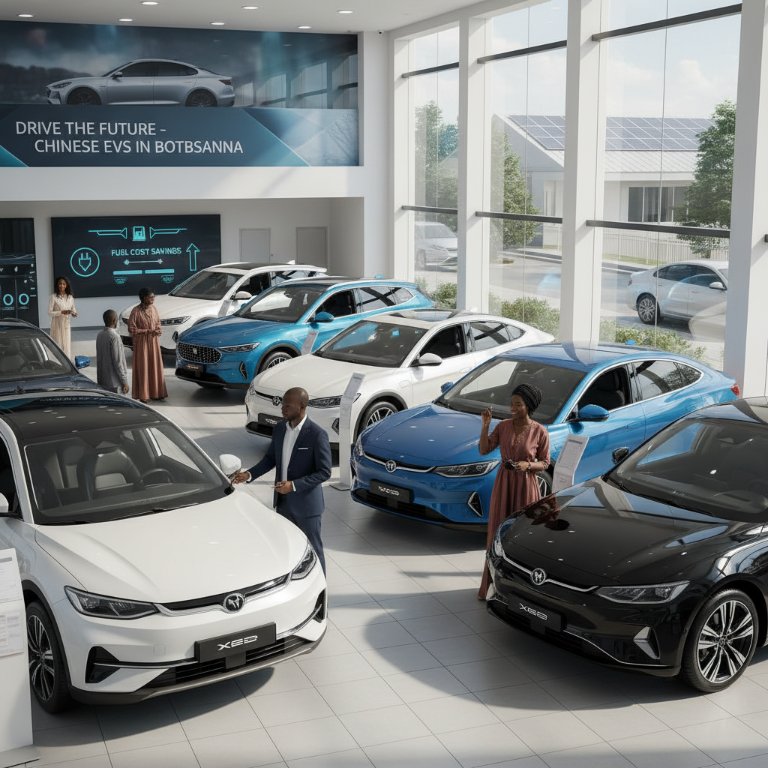
Botswana is rapidly emerging as a pivotal battleground for electric vehicle adoption, with Chinese-made EVs not just entering the market, but outright dominating it. Sales executives report 'fantastic and encouraging customers' feedback,' a testament to a burgeoning consumer base that is embracing these vehicles with unprecedented enthusiasm. This isn't merely a trend; it's a profound market realignment, as Chinese EV models are reportedly purchased as soon as they grace showroom floors.
This rapid integration of Chinese EVs into the Botswanan automotive landscape represents a critical juncture, underscoring the dynamic shift in global automotive power. While legacy automakers often focus on established Western markets, Chinese manufacturers have strategically pivoted, demonstrating agility and a keen understanding of the unique needs and economic realities of emerging economies. Their success in Botswana offers a compelling case study for EV expansion across the African continent and beyond.
The Botswana Boom: Practicality Drives Rapid Adoption
The immediate success of Chinese EVs in Botswana isn't a fluke; it's a direct response to practical advantages that resonate deeply with consumers. Unlike many developed markets where EVs often compete on luxury or cutting-edge tech, Botswana's consumers are prioritizing tangible benefits that directly impact their wallets and daily lives. This focus on pragmatic utility is propelling the market forward at an astonishing pace.
Key advantages highlighted by consumers and sales executives include:
- Significantly Cheaper Energy Costs: For a nation reliant on fuel imports, the promise of drastically reduced 'refueling' expenses offers a powerful incentive, directly addressing a major pain point for vehicle owners.
- Longer Ranges: Addressing range anxiety, a common barrier to EV adoption globally, these Chinese models are providing ranges suitable for Botswana's diverse geographical needs and infrastructure.
- Lower Maintenance Expenses: The inherent simplicity of EV powertrains translates to fewer moving parts and thus, reduced maintenance costs compared to complex internal combustion engine (ICE) vehicles, offering long-term savings.
- Alignment with Environmental Awareness: Botswana's increasing environmental consciousness plays a crucial role, with consumers actively seeking greener transportation alternatives.
Why This Matters:
Botswana's enthusiastic embrace of Chinese EVs is far more than a local news story; it’s a powerful harbinger of global automotive shifts. This rapid adoption signals a significant win for several key players and ideologies.
Firstly, Botswanan consumers are the clear beneficiaries. They gain access to modern, cost-effective, and environmentally friendly transportation solutions that directly address their economic realities. The lower running and maintenance costs make EV ownership a viable, attractive option, democratizing access to advanced vehicle technology.
Secondly, Chinese EV manufacturers emerge as dominant forces in emerging markets. Their strategic focus on affordability, practical range, and robust design—often leveraging government subsidies and massive domestic scale—has allowed them to outmaneuver traditional automakers. This success provides a vital blueprint for their expansion into other developing nations, effectively bypassing the saturated and heavily contested markets of North America and Europe. This is not merely about selling cars; it's about establishing brand loyalty and infrastructure in untapped territories, positioning them for long-term growth.
Conversely, legacy automakers that have been slow to develop truly affordable and regionally appropriate EV models for emerging markets risk being left behind. Their traditional strategies, often centered around premium offerings, are proving ill-suited for regions where cost and utility are paramount. This scenario is a stark warning: adapt rapidly to diverse market needs or concede significant future growth potential.
This trend also sends a critical signal to the broader global automotive market: the future of EV adoption will not solely be dictated by innovation in Silicon Valley or Stuttgart. Instead, it will be heavily influenced by the ability to deliver practical, affordable, and accessible electric mobility solutions to a global audience. Botswana’s experience proves that the EV transition is not just a luxury but a pragmatic economic imperative in many parts of the world, and Chinese companies are currently best positioned to meet that demand.
Botswana's swift pivot towards Chinese electric vehicles offers a compelling glimpse into the future of global automotive power dynamics. It underscores the critical importance of understanding unique market needs and delivering solutions that prioritize affordability and practicality. As developing nations increasingly embrace electrification, the success stories from markets like Botswana will serve as vital lessons for the entire industry, shaping the trajectory of EV adoption for decades to come.