BMW 550e Unleashes the Ultimate PHEV 'Life Hack': Effortless Charging Reshapes Urban Commuting
The 2026 BMW 550e is poised to redefine the plug-in hybrid electric vehicle (PHEV) experience, not through revolutionary battery tech or groundbreakin...
Editorial Team
World Of EV
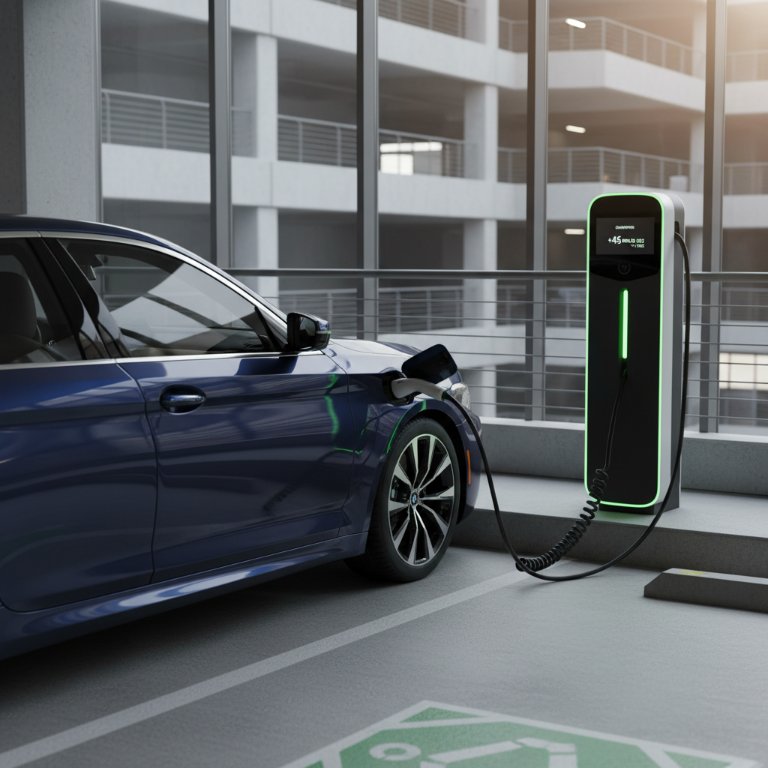
The 2026 BMW 550e is poised to redefine the plug-in hybrid electric vehicle (PHEV) experience, not through revolutionary battery tech or groundbreaking performance, but with a seemingly simple yet profoundly impactful convenience: easy charging. Described as a significant 'car ownership life hack,' the ability to plug in for 45 miles of electric range in approximately two hours is transforming the daily commute from a logistical challenge into a seamless part of urban life. This isn't just about adding a plug; it's about making electric driving effortless and, crucially, integrating it into the existing rhythm of urban infrastructure.
For years, the PHEV segment has struggled to carve out a clear identity, often viewed as a compromise between internal combustion and full electrification. Early models sometimes offered insufficient electric range or cumbersome charging procedures, leading to owners rarely plugging in. However, BMW, a pioneer in electrification with its 'i' sub-brand, is now demonstrating a refined understanding of the PHEV's true potential, focusing on practical, user-centric solutions that genuinely enhance the ownership experience.
The 2026 BMW 550e: A Daily EV, A Weekend Tourer
The heart of this transformative experience lies in the 2026 BMW 550e's optimized electric powertrain. Its 45 miles of all-electric range is a sweet spot for a significant portion of daily commutes, allowing many owners to complete their daily errands and commutes without consuming a single drop of gasoline. The true innovation, however, is the charging speed:
- 45 Miles Electric Range: Sufficient for most urban and suburban daily driving needs.
- Approx. Two-Hour Level 2 Charging: This rapid turnaround for a substantial range boost fundamentally changes how users interact with their vehicle. It means a quick top-up at the office, during a grocery run, or even a short stop at a public charger is genuinely impactful, not just a token gesture.
Urban Advantage: Capitalizing on Existing Infrastructure
This two-hour charging window for 45 miles of range is particularly potent when paired with the burgeoning Level 2 charging infrastructure. Many cities have seen a significant expansion of Level 2 chargers, often strategically located in prime spots like shopping centers, parking garages, and workplaces. For the 550e owner, this means:
- Convenient Access: No longer a hunt for specialized fast chargers, but rather the utilization of widely available, standard charging points.
- Opportunistic Charging: The short charge time encourages 'top-up' charging whenever an opportunity arises, maximizing electric driving without dedicated planning.
- Reduced Range Anxiety: The knowledge that a significant electric buffer is always just a short charge away makes the PHEV experience remarkably stress-free.
Beyond the Pump: A Seamless Transition to Electric Driving
The review emphatically highlights that this accessibility makes living with a plug-in hybrid easier than relying solely on gasoline. This statement is a powerful endorsement of the PHEV's evolution. Unlike a pure internal combustion engine (ICE) vehicle, where refueling is a mandatory, dedicated stop, the 550e allows for integrated energy replenishment. It blurs the lines between gasoline and electric, offering drivers the flexibility of both without the traditional drawbacks of either. It’s a compelling proposition for those not yet ready for the full commitment of a battery electric vehicle (BEV) but eager to embrace cleaner, quieter, and more economical driving.
Why This Matters:
The 2026 BMW 550e's emphasis on effortless charging is more than just a product feature; it’s a strategic pivot with significant market implications. This level of user-friendliness could finally unlock the mainstream potential of plug-in hybrids, transforming them from a niche bridging technology into a genuinely attractive and practical solution for a broader audience. BMW is effectively demonstrating that the 'plug-in' part of a PHEV doesn't have to be a chore but can be a distinct advantage.
Who Wins? Urban and suburban commuters, particularly those with access to Level 2 charging at home or work, stand to benefit immensely. This makes the 550e a compelling choice for individuals looking to significantly reduce their gasoline consumption and carbon footprint without the perceived compromises of a pure EV, such as longer charging times on road trips or higher upfront costs. BMW also wins by strengthening its position in the electrified premium segment, offering a highly practical and desirable entry point into its 'i' ecosystem.
Who Loses? Pure ICE luxury sedans, especially those without any form of electrification, will find themselves increasingly outmoded as the perceived value and convenience of PHEVs like the 550e become undeniable. The traditional notion that 'refueling is faster' is challenged when electric 'refueling' can happen passively while the car is parked for other activities.
What Does This Signal? This signals a maturity in the PHEV market, moving beyond token electrification to genuinely optimized hybrid systems. It's a clear message to the industry that practical, convenient charging solutions are as crucial as range figures. This could prompt other manufacturers to re-evaluate their PHEV strategies, prioritizing ease of integration into daily life rather than just raw power or electric range. For BMW, it’s a confident step, positioning their PHEVs as highly capable, intelligent solutions in the ongoing transition to full electrification, not just placeholders.
The 2026 BMW 550e's ability to offer 45 miles of electric range with just two hours of Level 2 charging represents a pivotal moment for plug-in hybrids. By making the 'plug-in' aspect a seamless convenience rather than a concession, BMW is not just selling a car; it's selling an easier, more efficient, and ultimately more enjoyable way of living with a premium vehicle in an increasingly electrified world. This thoughtful integration of electric propulsion into everyday life sets a new benchmark for the segment and firmly positions the PHEV as a critical component in the ongoing automotive revolution.