Beyond the Kilowatt: Why Superior EV Customer Experience Becomes the Ultimate Differentiator in 2026
The electric vehicle (EV) revolution is accelerating, but as the market matures and moves beyond early adopters, the battleground for consumer loyalty...
Editorial Team
World Of EV
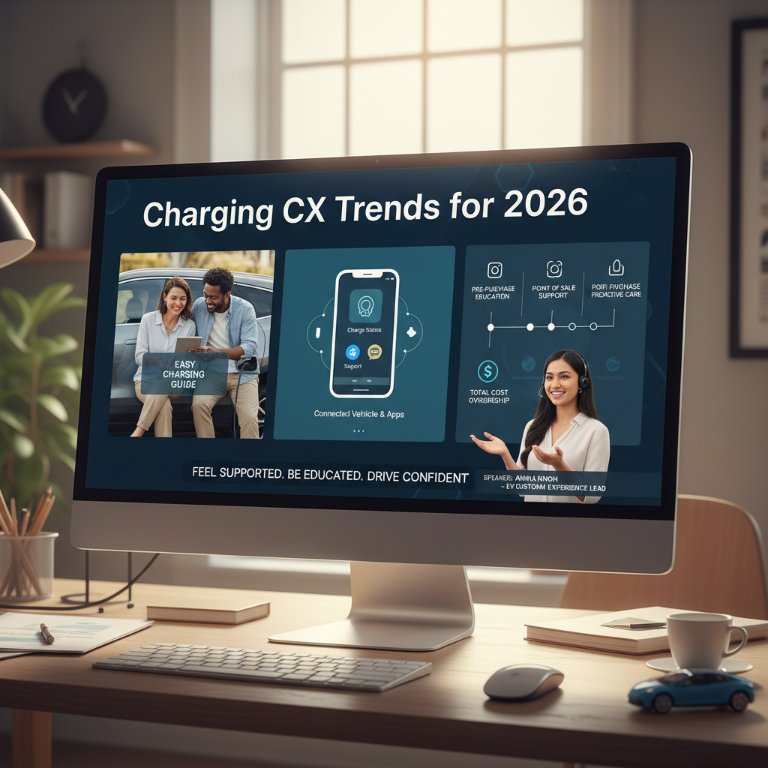
The electric vehicle (EV) revolution is accelerating, but as the market matures and moves beyond early adopters, the battleground for consumer loyalty is shifting dramatically. A recent 'Charging CX Trends for 2026' webinar underscored a critical truth: simply building a great EV is no longer enough. In 2026, the brands that win will be those that make buyers feel unequivocally supported, educated, and confident throughout their entire ownership journey.
For years, the industry’s focus has been on range, charging speed, and raw performance. While these metrics remain important, they are quickly becoming table stakes. The real challenge for manufacturers and dealers alike lies in addressing the pervasive lack of understanding among many new EV owners concerning fundamental aspects of EV life—from charging mechanisms and connected vehicle interactions to the nuances of total cost of ownership (TCO). This isn't just about selling a car; it's about selling an entirely new lifestyle.
The Charging Conundrum: Alleviating Anxiety
Charging anxiety remains a formidable barrier for prospective EV buyers and a source of frustration for current owners. The webinar highlighted that a significant segment of the EV customer base simply doesn't grasp the intricacies of charging: understanding different plug types, public charging network reliability, optimal home charging solutions, and how to maximize charging efficiency. This knowledge gap often leads to unnecessary stress and a negative perception of EV ownership.
- Clearer Communication: OEMs and dealers must provide straightforward, easy-to-understand educational resources that demystify charging. This includes everything from basic terminology to practical tips for daily charging habits.
- Proactive Support: Anticipating common charging issues and offering solutions before they become problems is paramount. This could involve curated lists of reliable local electricians for home charger installation or real-time support for public charging glitches.
Unlocking the Connected Car: Beyond a Gimmick
Modern EVs are essentially smartphones on wheels, yet many owners underutilize or entirely neglect their vehicle's connected apps and features. These apps often hold the key to optimizing charging schedules, pre-conditioning the cabin, monitoring vehicle health, and even managing energy consumption. The disconnect between potential and actual usage represents a missed opportunity for both the owner and the brand.
- Mandatory App Education: Dealerships must integrate comprehensive training on vehicle app functionality into their delivery process, going beyond a mere introduction to hands-on demonstrations.
- Contextual Feature Highlighting: Manufacturers should develop in-app tutorials and prompts that guide users to leverage features relevant to their driving habits and local charging infrastructure.
Demystifying Total Cost of Ownership
While EVs typically boast lower running costs than their internal combustion engine counterparts, the initial purchase price and perceived complexities can deter buyers. Many consumers don't fully understand the long-term financial benefits, including government incentives, reduced maintenance, and cheaper 'fuel' costs. This lack of TCO clarity erodes confidence and hinders adoption.
- Transparent Financial Education: OEMs and dealers need to provide clear, personalized breakdowns of potential savings over the vehicle's lifespan, accounting for local incentives, electricity rates, and projected maintenance schedules.
- Myth-Busting: Actively counter common misconceptions about battery replacement costs and service complexities.
A Continuous Journey: Education Beyond the Sale
The webinar emphatically stressed that education cannot be a one-time event at the point of sale. It needs to begin earlier in the customer's research phase and extend well into the post-purchase experience. Building trust and loyalty hinges on anticipating customer needs and providing proactive outreach, transforming the customer relationship from transactional to sustained partnership.
- Pre-Purchase Resources: Accessible online guides, FAQs, and virtual workshops to address common concerns before a customer even steps into a dealership.
- Post-Purchase Engagement: Regular check-ins, educational content delivered via email or in-app notifications, and dedicated customer support channels for new EV owners.
Why This Matters:
This shift in focus represents a critical maturation point for the EV industry. As production scales and vehicle performance converges across brands, the customer experience becomes the ultimate battleground. Manufacturers and dealers who fail to heed this call risk falling behind in an increasingly competitive landscape. Those who invest in robust, intuitive education and proactive support will foster unparalleled brand loyalty and capture a larger share of the mainstream market.
Who Wins? Brands with a reputation for exceptional customer service and innovative support ecosystems. Think of companies known for strong dealer networks and customer-centric approaches, or perhaps agile startups that can integrate comprehensive digital support from day one. They will see higher conversion rates, reduced customer churn, and invaluable positive word-of-mouth. This could be a do-or-die moment for brands like Mazda, which, despite recent improvements, has had past struggles with EV adoption (e.g., the MX-30's limited range and market reception) and now must demonstrate a holistic commitment to the EV experience.
Who Loses? OEMs and dealers prioritizing volume over support, those with clunky apps, opaque charging solutions, or a hands-off approach to post-purchase engagement. These players will struggle to retain customers, face negative reviews, and ultimately hinder the broader adoption of their EV offerings. The market is signalling that a superior product alone is no longer sufficient; a superior ownership journey is essential.
What This Signals: The market is evolving past the early adopter phase. Mainstream buyers demand reassurance, clarity, and ease of use. This trend signals a pivot towards a 'concierge' approach to EV ownership, where the brand acts as a trusted guide through a new technological landscape. It's a clear directive: differentiate through experience, not just specifications.
The future success of the electric vehicle market hinges not just on technological innovation, but on the industry's ability to truly empower and educate its customers. For 2026 and beyond, the brands that invest deeply in a seamless, supportive, and confidence-building customer experience will undoubtedly lead the charge.