Beyond the Hype: Expert Analyst Unveils Southern California's Top EV Commuting Picks, Redefining Practicality and Performance
Southern California's sprawling landscape and unique driving culture present a distinct challenge for electric vehicle commuters. While range anxiety ...
Editorial Team
World Of EV
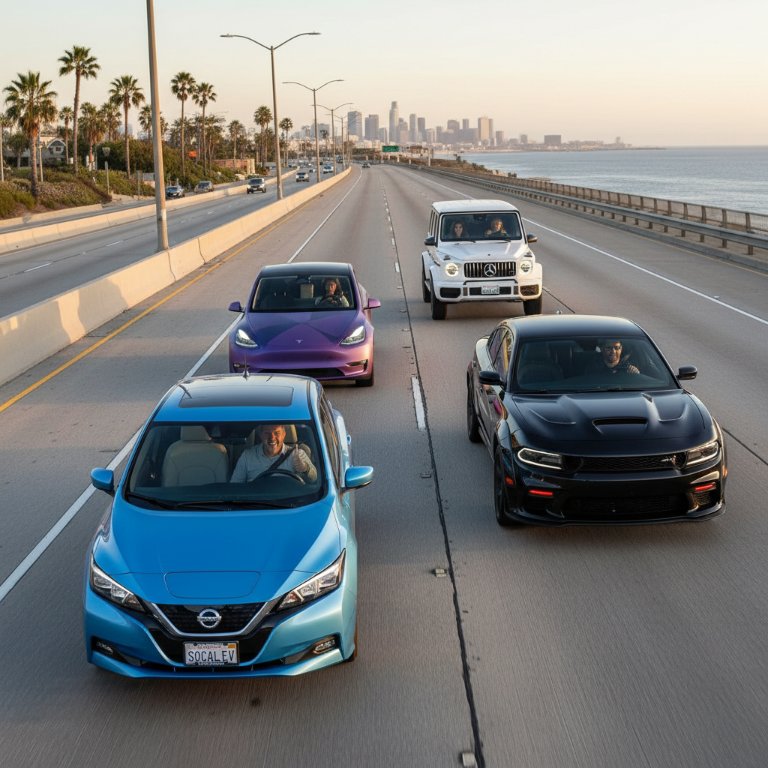
Southern California's sprawling landscape and unique driving culture present a distinct challenge for electric vehicle commuters. While range anxiety and charging infrastructure often dominate headlines, the real-world experience, comfort, and sheer driving pleasure are paramount for daily drivers. Nathan Adlen, a seasoned automotive journalist and expert analyst, recently shared his top five electric vehicles for navigating the Golden State's commutes, offering a refreshing and deeply insightful perspective that moves beyond mere specifications to highlight the true impact on the driver. His choices underscore a maturing EV market where performance, utility, and even emotional connection are as crucial as efficiency.
The Unsung Hero: 2026 Nissan Leaf's Resurgence
For years, the Nissan Leaf has been a pioneering but often overshadowed figure in the EV space. Early models, while groundbreaking, faced criticism for limited range and conventional styling, especially as competitors introduced more futuristic designs and longer-range options. However, Adlen's assessment of the 2026 Nissan Leaf positions it as a genuine contender, praising it as a 'friendly little thing' and a 'remarkably confident driver.' He emphasizes its spaciousness, utility, economy, and ease of driving, labeling it a 'killer deal.' This isn't just an affirmation of the Leaf's ongoing evolution – with the 2026 model reportedly transforming into a crossover SUV with improved tech and up to 303 miles of range – but a recognition that for many commuters, unpretentious reliability and practicality trump flash. It suggests Nissan is regaining its stride, focusing on core attributes that resonate deeply with budget-conscious yet savvy EV buyers.
Tesla Model Y RWD: Style Meets Substance with a Personal Touch
The Tesla Model Y remains a dominant force in the EV market, known for its strong acceleration and impressive range estimates. However, the 2026 Model Y RWD caught Adlen's attention for its updated style and good driving characteristics. Crucially, he notes that 'inexpensive wraps can enhance its design.' This seemingly small detail offers significant insight. It speaks to a growing trend among EV owners to personalize their vehicles, moving beyond factory aesthetics. While Tesla's interiors are celebrated for their minimalism and technology, some users find the design too simple. Adlen's comment highlights how the Model Y provides an excellent canvas for individual expression, demonstrating that for a vehicle to truly succeed in a competitive market like Southern California, it must offer not just performance but also the potential for personal connection and unique identity. The updated Model Y also boasts a quieter interior and improved driving dynamics, addressing past criticisms of firm ride quality.
Dodge Charger Daytona Scat Pack: Electric Muscle Redefined
The notion of an electric Dodge Charger initially stirred skepticism among muscle car purists. The challenge for Dodge was immense: electrify an icon without diluting its aggressive performance heritage. Adlen's experience with the 2026 Dodge Charger Daytona Scat Pack 4-Door AWD suggests a resounding success. He describes it as 'a blast to drive,' 'remarkably comfortable,' and 'surprisingly utilitarian,' with an 'outstanding exterior design.' This feedback is critical. It indicates that Dodge has managed to blend the raw power and exhilaration expected of a Scat Pack (boasting 670 horsepower and a 0-60 mph time of 3.3 seconds) with genuine daily usability and comfort, even offering a liftback trunk with generous cargo space. The 4-door variant, in particular, seems to hit the sweet spot for those needing practicality without sacrificing the muscle car ethos. This electrifying transformation isn't just a nod to future regulations; it's a bold statement that electric powertrains can indeed deliver an authentic, thrilling muscle car experience, expanding the brand's appeal to a new generation of enthusiasts.
Mercedes-Benz G 580 with EQ Technology: Opulence Electrified
The Mercedes-Benz G-Class, an undisputed symbol of luxury and off-road prowess, makes its electric debut as the G 580 with EQ Technology. Adlen's candid admission of having 'so much fun driving the G 580' despite its 'range limitations and ostentatious nature' speaks volumes. The G 580, with its four electric motors generating 579 horsepower and 859 lb-ft of torque, retains the G-Wagen's iconic, rugged design while adding impressive electric capabilities like the 'G-Turn' (tank turn) and enhanced off-road precision. Priced around $163,200, this is not a practical commuter for the masses. However, its inclusion in Adlen's top picks for Southern California highlights a segment of the market where luxury, brand prestige, and the sheer joy of a unique driving experience outweigh concerns about efficiency or range. In a region where statement vehicles thrive, the electric G-Wagen proves that electrification can enhance, rather than diminish, an automotive legend's appeal, offering unparalleled performance and a new kind of opulent thrill.
Why This Matters:
Diversification Beyond Range: The emphasis has shifted from solely maximizing range to a holistic driving experience. Practicality, comfort, utility, and sheer fun are now equally important factors influencing buying decisions, especially in a mature EV market like SoCal. The 2026 Leaf's comeback demonstrates that affordability and reliability still have a strong place.
Niche Electrification is Succeeding: The success of the electric Charger Daytona signals that even deeply rooted automotive segments, like muscle cars, can successfully transition to electric powertrains without losing their soul. This opens doors for other iconic nameplates to follow suit, expanding the emotional appeal of EVs.
Luxury EVs Redefine Performance and Status: The G 580 EQ proves that for affluent buyers, electric luxury can be just as compelling, if not more so, than traditional ICE powertrains. Features like individual wheel motors and unique off-road capabilities offer new forms of performance and exclusivity, cementing EVs' place at the top tier of the automotive hierarchy.
Personalization as a Key Differentiator: The Model Y's appeal, enhanced by owner customization like wraps, highlights that consumers desire vehicles that reflect their identity. Manufacturers who facilitate this will gain a competitive edge, fostering deeper connections with their customer base.
Regional Tastes Drive Innovation: Southern California's unique blend of traffic, scenic routes, and a strong car culture creates a demand for versatile EVs that can handle diverse conditions while offering an engaging experience. These regional preferences will continue to shape future EV development, pushing manufacturers to innovate beyond generic models.
Adlen's insights paint a clear picture: the EV market is no longer in its infancy. It's a vibrant, diverse ecosystem where manufacturers are successfully catering to a broad spectrum of consumer desires, from the practical commuter to the luxury enthusiast. For prospective buyers, this means more choice and more finely tuned vehicles that genuinely integrate into their lifestyles. For the industry, it's a call to continue innovating, understanding that the future of electric mobility is as much about personal experience as it is about environmental impact and technological advancement.