Beyond the Hype: EV Owners Demand Pragmatic Solutions and User-Centric Design
The electric vehicle revolution continues its rapid ascent, but as adoption moves beyond early enthusiasts, a nuanced picture of owner expectations is...
Editorial Team
World Of EV
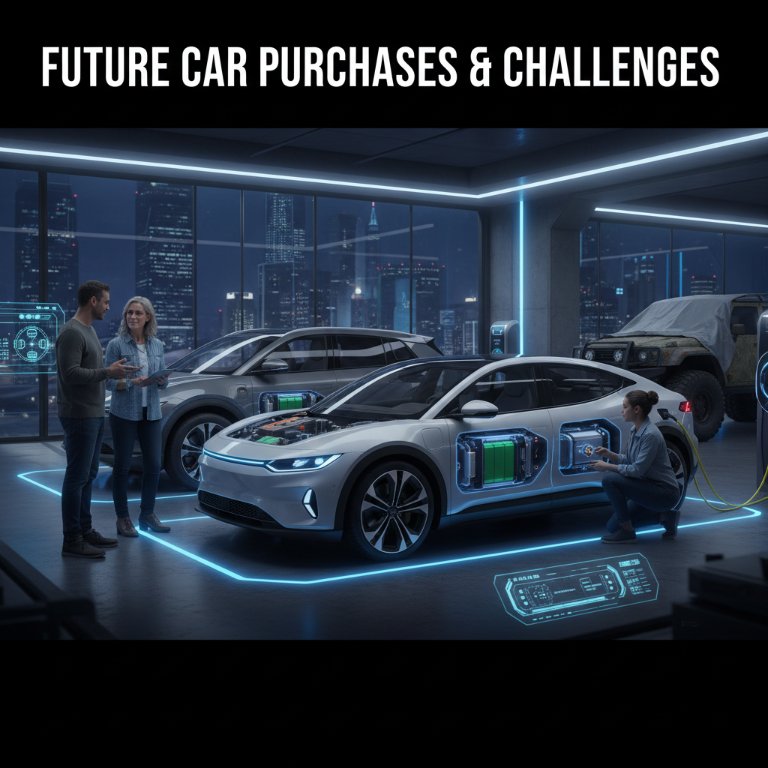
The electric vehicle revolution continues its rapid ascent, but as adoption moves beyond early enthusiasts, a nuanced picture of owner expectations is emerging. Recent online discussions reveal that while the allure of zero-emission driving remains strong, practical concerns around infrastructure, cold weather performance, and intuitive vehicle design are actively shaping future purchase decisions. This feedback signals a maturing market where real-world usability is paramount, challenging manufacturers to adapt their strategies beyond raw range figures and minimalist aesthetics.
The Evolving Multi-EV Household: A Pragmatic Shift
One illuminating testimonial comes from an owner currently navigating life with both a pure EV and a Plug-in Hybrid Electric Vehicle (PHEV). While committed to electrification, this individual expressed a clear desire to transition to an EV and an Extended-Range Electric Vehicle (EREV) in the future, citing current difficulties with infrastructure reliability and the pronounced impact of cold weather on pure EVs. This sentiment resonates deeply with widespread industry challenges. Cold temperatures significantly reduce EV range—by 20% to 40% in extreme conditions—and drastically slow charging speeds, making longer trips and daily use more challenging in colder climates. The public charging infrastructure, while growing, still grapples with issues of reliability, availability, and standardization, which can lead to frustration and 'range anxiety,' especially for long-distance travel. EREVs, which combine an electric powertrain with a small internal combustion engine generator, offer a compelling solution by providing the flexibility of gasoline power when the battery is depleted, effectively eliminating range anxiety without relying solely on a charging network. This hybrid approach allows for longer journeys without the constant worry of finding a working charger, making them an attractive option for consumers facing real-world limitations.
Beyond Range Anxiety: A Call for Modularity and Tactile Experience
Another owner's perspective highlights a different, yet equally critical, set of priorities. This individual stated they would consider two pure EVs if the vehicles featured physical handles and controls, along with standardized, swappable major parts, likening the experience to building a PC. Significantly, for this owner, range was not a primary concern due to the availability of a third car for road trips. This feedback directly challenges the industry's recent trend towards minimalist, touchscreen-heavy interiors, often popularized by companies like Tesla. While sleek, these interfaces have faced increasing criticism for being distracting and less intuitive, with some automakers like Volkswagen and Porsche now reintroducing physical buttons for critical functions due to customer demand and new safety guidelines from bodies like Euro NCAP. The call for standardized, swappable major parts points to a deeper desire for improved repairability and potentially lower long-term ownership costs. Current EV battery packs, for instance, are often monolithic and complex to repair, leading to higher service costs and potential write-offs for minor damage. A modular design approach, allowing for easier diagnosis and replacement of individual components, promises to enhance serviceability, reduce downtime, and make EV ownership more sustainable and affordable.
Why This Matters:
These owner testimonials are not isolated anecdotes; they are leading indicators of a maturing EV market demanding practicality, reliability, and user-centric design. This shift has profound implications for automakers, charging infrastructure providers, and policymakers alike:
- EREVs Gain Traction: The expressed preference for EREVs signals a significant opportunity for manufacturers who can offer these flexible powertrains. While pure EVs are ideal for many, the EREV caters to a crucial segment of the market that values the electric driving experience but needs a reliable fallback for infrastructure gaps and extreme weather. Companies that heavily invested in diverse powertrain options, including sophisticated EREVs, stand to gain market share as consumers prioritize pragmatic solutions over pure electric idealism.
- The Return of Tactile Controls: The demand for physical buttons and controls is a clear repudiation of the 'screen-first' philosophy. Automakers that quickly adapt to this preference will win over a broader audience, especially as safety organizations incentivize such designs. This marks a potential loss for brands overly committed to minimalist, digital-only interiors, forcing a costly re-evaluation of their design language.
- Modularity and Repairability: The Next Frontier: The call for standardized, swappable parts underscores a growing consumer expectation for sustainable, cost-effective vehicle ownership. Manufacturers embracing modular battery architectures and common component designs will differentiate themselves, potentially lowering insurance costs and extending vehicle lifespan. This also signals a crucial opportunity for the aftermarket service industry to develop standardized repair protocols and component supplies. Companies clinging to proprietary, monolithic designs risk alienating consumers concerned about long-term maintenance and environmental impact.
- Infrastructure Imperative: The challenges cited with charging infrastructure are a persistent pain point. While EREVs mitigate some of this, the underlying need for a truly robust, reliable, and user-friendly public charging network remains. This is a critical 'do-or-die' moment for public and private entities developing charging solutions. Failure to improve reliability and standardization will continue to be a barrier to widespread pure EV adoption.
The future of EV adoption hinges less on groundbreaking new technologies and more on refining the existing ecosystem to meet practical consumer needs. These insights from the front lines of EV ownership provide a clear roadmap for the industry: focus on pragmatic solutions, intuitive design, and a sustainable, serviceable product.
The EV market is rapidly moving beyond early adopters. To sustain growth, manufacturers must internalize these real-world experiences and pivot towards a future where convenience, reliability, and thoughtful design are as celebrated as zero emissions and rapid acceleration. The next phase of electrification will be won by those who listen closely to the drivers who live with these vehicles every day.