Beyond the Burden: How Dealerships Can Transform Recalls into Pivotal Customer Opportunities
In an automotive landscape rapidly shifting towards electrification, every customer touchpoint becomes increasingly critical. Traditionally viewed as ...
Editorial Team
World Of EV
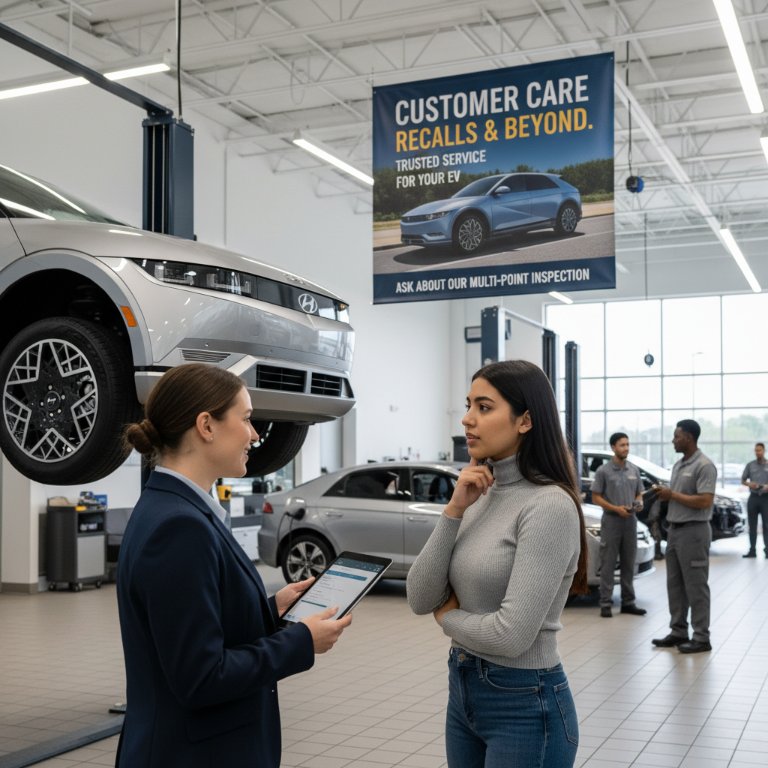
In an automotive landscape rapidly shifting towards electrification, every customer touchpoint becomes increasingly critical. Traditionally viewed as an operational burden, a new study by CDK Global illuminates a surprising truth: vehicle recalls are not just mandatory safety measures, but profound opportunities for dealerships to engage customers, build trust, and drive additional revenue. For an industry grappling with evolving service models and diminished traditional maintenance for EVs, this insight is nothing short of revolutionary.
The study's findings are stark and compelling: a remarkable 88% of customers address recall notices. This isn't merely compliance; it's a direct invitation for engagement, a moment when a customer actively seeks interaction with their dealership. What’s even more significant is the conversion potential: 40% of these customers choose to purchase additional maintenance or repair services during the same recall visit. This statistic isn't just a win for the service department; it’s a clear signal that customers are open to discussing their vehicle’s overall health and investing in its longevity when given the chance by a trusted advisor. Even for the 48% who don't opt for extra services, the recall appointment remains a crucial opportunity to reinforce customer trust and loyalty.
Generational Nuances: Tailoring the Recall Experience
The CDK Global study further unpacks critical generational differences in recall response, offering invaluable insights for OEMs and dealerships looking to optimize their customer outreach strategies. Generation Z, the youngest cohort of vehicle owners, stands out for their exceptional recall attendance rate, with a staggering 97% bringing their vehicles in. This demographic's proactive approach signals a high level of safety consciousness and engagement, albeit with specific underlying concerns.
However, understanding why some customers don't schedule appointments is equally vital. Among those who delay or skip recall service, Gen Z (60%) primarily expresses fear of large, unexpected repair bills. This highlights a need for transparent pricing and clear communication about what the recall entails and any potential related costs. Young millennials (53%), on the other hand, tend to question the necessity of the recall itself, suggesting that educational campaigns explaining the safety implications are crucial for this group. Finally, Gen Xers (38%) most frequently cite time constraints as their reason for not attending, pointing to the need for convenient scheduling options, mobile service, or expedited service appointments.
Why This Matters:
This study isn't just data; it's a strategic roadmap for the future of automotive service, particularly for the EV sector. The core takeaway is unambiguous: recalls are no longer just liabilities but potent assets for cultivating lasting customer relationships and driving incremental revenue.
- For Dealerships: This signals a profound opportunity to redefine the service department's role. Proactive communication, personalized service recommendations, and a frictionless experience during a recall visit can transform a mandated appointment into a genuine value proposition. Dealerships that simply perform the recall without engaging the customer on broader vehicle health are leaving significant revenue and loyalty on the table. For EV-focused dealerships, where traditional ICE-era maintenance profits are dwindling, maximizing every service touchpoint, including recalls, is paramount for financial viability.
- For OEMs: The insights into generational behavior are critical. OEMs must equip their dealer networks with sophisticated CRM tools and training to tailor messaging. Ignoring Gen Z's financial anxieties or millennials' skepticism risks alienating future loyal customers. Furthermore, a positive recall experience directly reflects on brand perception and can mitigate the negative PR often associated with safety recalls.
- For EV Owners: This trend means a potentially richer, more attentive service experience. As electric vehicles evolve, recalls (whether for software, battery components, or other systems) will continue to be a reality. An enlightened dealership approach, informed by these findings, will lead to more efficient, customer-centric resolutions, fostering greater trust in both the vehicle and the brand.
In an increasingly competitive and technologically advanced market, the ability to turn a potential negative (a recall) into a positive customer interaction is a defining characteristic of successful automotive retail. Those who fail to adapt will find themselves losing ground, while those who embrace this strategic opportunity will forge stronger, more profitable relationships with their customers.
The CDK Global study fundamentally shifts the narrative around vehicle recalls. They are not merely regulatory obligations but strategic touchpoints, offering a golden opportunity for dealerships to deepen customer relationships and secure additional business, especially crucial in the evolving EV landscape. Embracing these insights, and tailoring approaches to generational needs, will be key to unlocking significant value in the years to come.