Alpine Energy's Charger Woes Expose Critical Gaps in NZ's EV Infrastructure
Geraldine and the picturesque Mackenzie Country, vital arteries for New Zealand's burgeoning EV touring scene, have become focal points of frustration...
Editorial Team
World Of EV
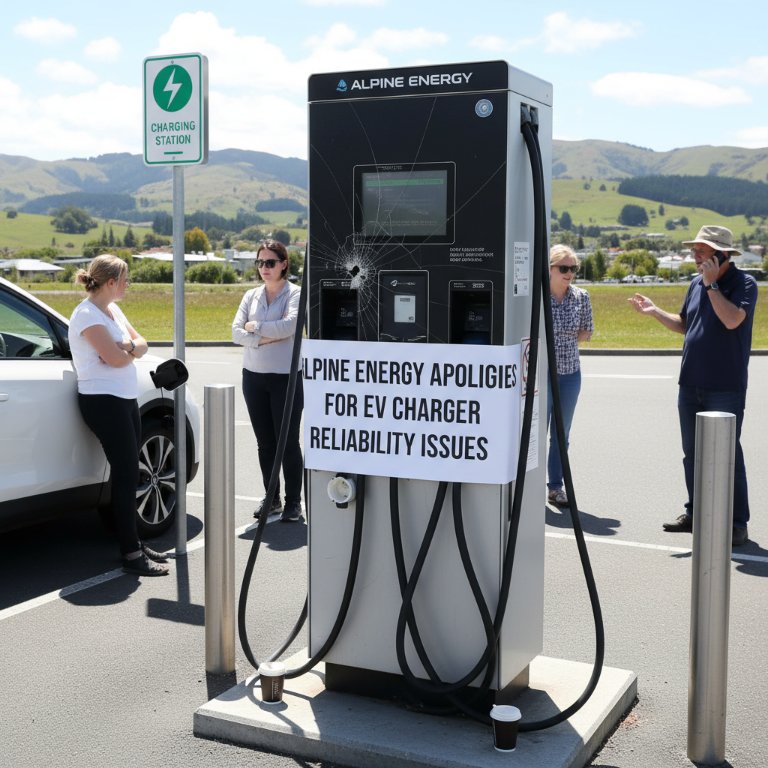
Geraldine and the picturesque Mackenzie Country, vital arteries for New Zealand's burgeoning EV touring scene, have become focal points of frustration for electric vehicle drivers. Alpine Energy, a key electricity distributor in the region, has issued a public apology acknowledging persistent reliability issues with its EV charging network. This candid admission highlights a growing challenge within the broader EV ecosystem: the critical need for not just more chargers, but reliably operational chargers, particularly in remote and high-traffic tourist areas.
Acknowledging the Frustration: Alpine Energy's Apology
Alpine Energy's recent apology directly addresses the 'ongoing reliability problems' plaguing its EV chargers in Geraldine and the wider Mackenzie Country. For many EV owners, this news isn't a surprise but a validation of their exasperating experiences, especially during the peak summer travel season. Imagine planning a scenic road trip through one of New Zealand's most stunning landscapes, only to be met with out-of-order charging stations – a scenario that unfortunately became all too common for drivers relying on Alpine Energy’s network. The company specifically cited ‘lengthy repair times and issues with legacy equipment’ as the culprits behind the widespread dissatisfaction. This isn't just an inconvenience; it actively undermines confidence in long-distance EV travel and the very promise of an electric future.
The Lingering Shadow of Legacy Equipment and Slow Response
The root of Alpine Energy's current predicament lies in a combination of outdated infrastructure and inadequate fault response mechanisms. While New Zealand, like many nations, has been proactive in encouraging EV adoption, the focus often leans heavily on the quantity of chargers rather than their quality and upkeep. Legacy charging equipment, while perhaps cost-effective initially, often lacks the sophisticated remote diagnostics and modularity of modern units, leading to:
- Increased Downtime: Older chargers are more prone to failures and require more complex, time-consuming repairs.
- Slow Fault Resolution: Without advanced monitoring, identifying and dispatching technicians becomes a reactive, rather than proactive, process.
- Parts Scarcity: Sourcing components for older units can create significant delays, extending repair times for days or even weeks.
This stands in stark contrast to industry leaders who prioritize robust, networked charging solutions with rapid diagnostic and repair protocols. Tesla's Supercharger network, for instance, is renowned not just for its speed, but its impressive uptime, often proactively addressing issues before drivers even report them.
A Fleet Under Review: Alpine Energy's Path Forward?
In response to the mounting pressure, Alpine Energy has committed to 'actively reviewing its EV charging fleet and future operating options.' This crucial internal audit aims to improve reliability and significantly reduce fault response times. While the details remain sparse, savvy EV enthusiasts will be looking for concrete actions, such as:
- Strategic Upgrades: Phased replacement of legacy chargers with newer, more robust, and easily maintainable units.
- Enhanced Monitoring Systems: Implementation of real-time diagnostic tools to detect and often pre-empt potential failures.
- Improved Service Level Agreements (SLAs): Establishing clear, ambitious targets for fault resolution times and communicating these transparently to the public.
- Partnerships: Exploring collaborations with dedicated EV charging infrastructure providers that bring specialized expertise and robust operational models.
Why This Matters:
This incident is far more than a localized issue; it's a microcosm of the larger challenges facing the global EV transition. For World Of EV readers, this matters profoundly because it directly impacts the practicality and enjoyment of EV ownership, especially for those venturing beyond urban centers.
- Erosion of Trust: Unreliable infrastructure erodes consumer confidence, potentially slowing EV adoption rates in crucial regional markets. Drivers fear range anxiety not just from battery limits, but from inaccessible charging points.
- Economic Impact: For tourism-dependent regions like Mackenzie Country, dependable EV charging is essential. Visitors, particularly those in EVs, will bypass destinations known for unreliable infrastructure, impacting local businesses.
- A Wake-Up Call for Operators: This serves as a stark warning to all electricity distributors and charging network operators: installation is only the first step. Ongoing maintenance, rapid response, and a commitment to uptime are paramount to the success of the EV ecosystem.
- The 'Experience' Factor: For EV ownership to truly flourish, the charging experience must be seamless and predictable. Every broken charger represents a significant setback in achieving that ideal, signaling that the industry is still maturing in its operational excellence.
Alpine Energy's public apology is a necessary, if belated, step. The true measure of their commitment will be in the tangible improvements seen on the ground by frustrated EV drivers. The lesson is clear: for the EV revolution to truly succeed, reliable infrastructure must be as steadfast as the vehicles themselves, allowing drivers to confidently embark on their journeys without fear of being stranded by a broken charger.
New Zealand's ambitious EV targets hinge not just on incentivizing purchases, but on ensuring a robust, dependable charging backbone. Alpine Energy's current challenge presents a critical opportunity to lead by example in operational excellence, setting a new standard for regional charging reliability.