2026 EV Ownership: UK Drivers Expose the Harsh Realities Still Plaguing the Revolution
Despite the relentless march of technological innovation in electric vehicles, a recent video titled 'EV Owners Expose What Doesn't Work in 2026' deli...
Editorial Team
World Of EV
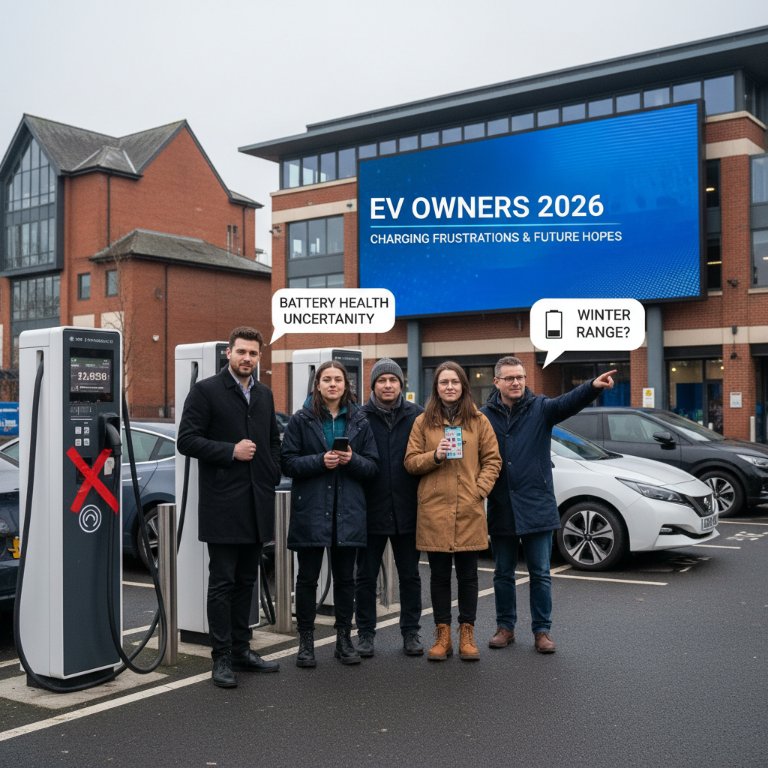
Despite the relentless march of technological innovation in electric vehicles, a recent video titled 'EV Owners Expose What Doesn't Work in 2026' delivers a stark reality check directly from the UK's EV owners. What emerges isn't a litany of futuristic glitches, but rather persistent, fundamental frustrations that continue to hinder the promised seamless EV lifestyle. This isn't just about early adopters anymore; it's about the rapidly expanding mainstream EV populace demanding solutions to issues that should, by 2026, be largely resolved.
For years, industry analysts and enthusiasts have championed the EV revolution, often focusing on accelerating ranges and performance figures. However, this candid glimpse into daily EV ownership reveals a different, more grounded concern: the fragmented, often frustrating ecosystem surrounding the vehicles themselves. Owners are vocal about their desire for a simpler, more reliable, and ultimately, more valuable experience, suggesting that the industry's focus must broaden beyond just the car itself.
The Charging Conundrum: Still a Maze, Not a Highway
Public charging, the Achilles' heel of the early EV era, remains a significant pain point for UK drivers in 2026. While the physical presence of chargers has increased, the user experience has regressed in complexity, not improved. Owners report a continued struggle with:
- Confusing and Opaque Tariffs: Pricing structures remain inconsistent and difficult to understand, making cost prediction a guessing game.
- Unreliable Infrastructure: Charger availability is a constant gamble, with units frequently out of service or simply non-operational when needed most.
- Blocked Charging Stations: The all-too-common sight of internal combustion engine (ICE) vehicles, or even other EVs, hogging charging bays, exacerbates the availability crisis.
- App Overload and Payment Friction: The necessity of multiple apps for different networks, often requiring pre-registration or specific accounts, is a major barrier. The desire for simple contactless payment is overwhelming, highlighting a critical gap in user convenience.
Value, Range, and the Winter Blues Remain
While the existential dread of 'range anxiety' may be fading for many, a practical concern around real-world range persists, particularly during colder months. Battery performance in winter conditions continues to significantly impact perceived usability and journey planning. This is not a new revelation; cold weather's effect on battery chemistry and range has been known for years. Yet, effective solutions or even clearer communication remain elusive from many manufacturers.
Beyond immediate usability, EV owners are increasingly concerned about the long-term financial viability of their vehicles. Uncertainty around battery health degradation over time, coupled with the rapid pace of technological advancements, fuels fears of significant depreciation. This contrasts sharply with the often-touted environmental benefits, as financial considerations weigh heavily on prospective and current owners alike.
Why This Matters:
This isn't just a collection of minor gripes; these are fundamental roadblocks preventing the electric vehicle market from truly reaching mass adoption beyond the early enthusiast and environmentally conscious buyer. If the industry fails to address these persistent pain points, it risks alienating the crucial next wave of consumers who expect a seamless experience akin to traditional gasoline vehicles, but with added EV benefits.
The winners in this evolving landscape will be the charging network operators who prioritize reliability, transparency, and a unified, simple payment experience – think 'tap and go' convenience, not app downloads and account creations. Automakers who integrate charging solutions holistically into their ownership propositions, perhaps even offering curated charging network access or preferential rates, will also gain a significant advantage. Conversely, those who continue to focus solely on headline range figures and rapid acceleration, while neglecting the practicalities of charging and long-term value, risk losing market share as the novelty wears off.
This video serves as a critical market signal: the era of forgiving early adoption is over. Consumers are becoming savvier, and their expectations are rising. The industry's 'do-or-die' moment now hinges not just on producing better EVs, but on building a more mature, reliable, and user-friendly ecosystem around them. Governments also have a crucial role to play in standardizing payment methods and ensuring infrastructure reliability to foster trust and accelerate adoption.
A Call to Action for a Maturing Market
UK EV owners, by exposing these persistent frustrations, are effectively laying down a challenge to the entire electric vehicle ecosystem. The industry must pivot from simply selling vehicles to delivering a truly integrated, hassle-free ownership experience. The future of widespread EV adoption hinges less on incremental range gains and more on simplifying charging, guaranteeing reliability, and providing clear, consistent value propositions for the long haul. The revolution will only truly succeed when it feels effortless, not an ongoing battle against complexity and uncertainty.